Home / Service Areas / Westside Pueblo
Commercial Roofing in Westside Pueblo, Pueblo, CO
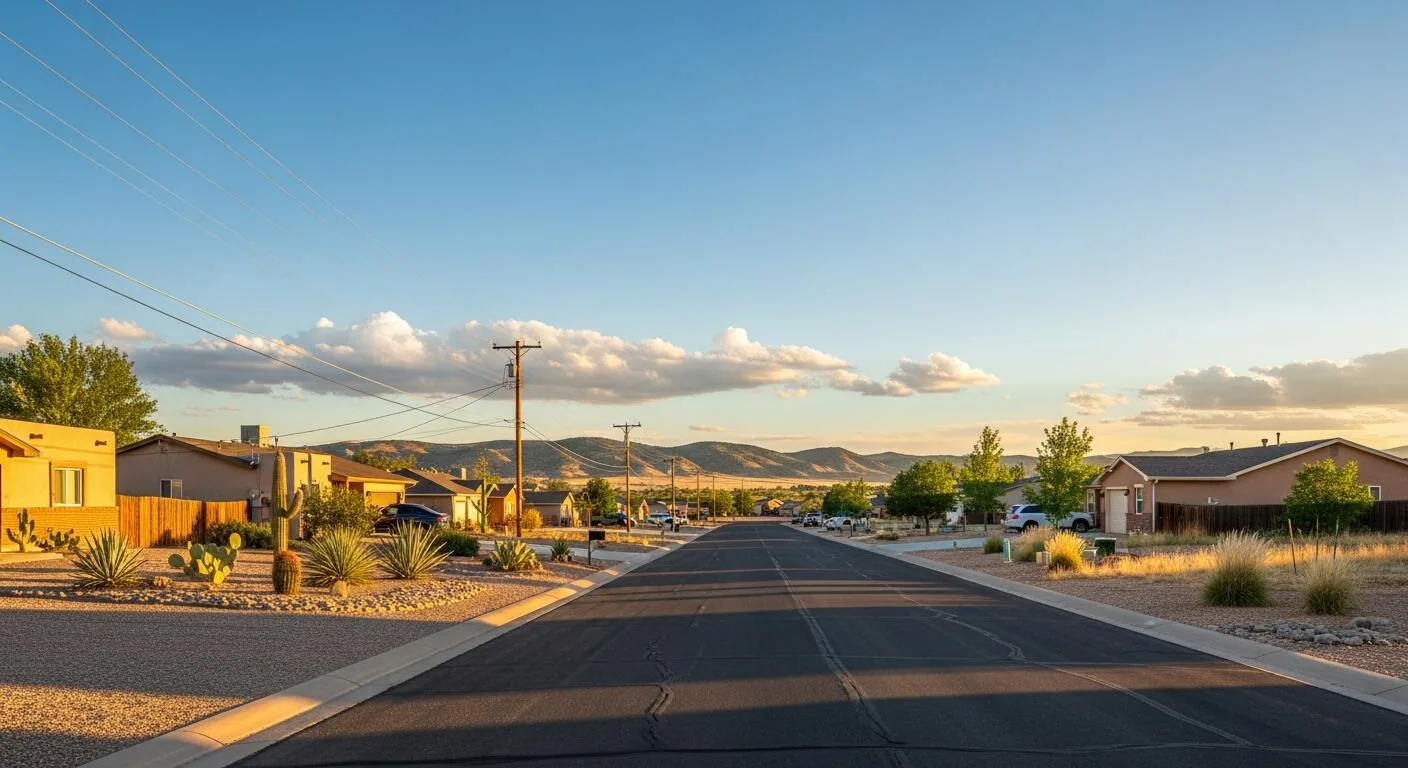
Plan Westside Pueblo roofing with a property-level inspection, access sequence, and repair boundary tied to observed roof conditions.
Westside covers Pueblo’s northwest quadrant, with US 50 and Pueblo Boulevard as key access corridors. Commercial hubs sit near 18th Street and Lambert Avenue and 24th Street and Spaulding Avenue. The Foundry industrial area and Southern Colorado Medical Center add industrial and medical-service context. At the property, we verify current use, roof type, and condition before setting work scope. We inspect the property and coordinate access before setting the scope.
Commercial properties along the identified hubs can have different operating hours, delivery needs, and interior uses. We confirm the actual driveway, roof access, lift location, and affected rooms with the property contact. A measured inspection records drains, seams, penetrations, flashing, and substrate where visible. Pueblo’s hot summer roof surfaces and winter drainage conditions affect the schedule, so each opening needs a defined daily stop point.
What should the first site visit answer?
The first walk should determine which roof zone contains the reported issue and which adjacent details could contribute. We inspect the membrane or metal surface, seams, edges, curbs, drains, and previous repair areas. Note where equipment blocks access and where the roof cannot be evaluated without an opening. Then compare what we see with any available roof drawings, while recording differences that could change quantities or the work sequence.
A commercial roof inspection ties findings to photographs and roof zones. For active water, leak tracing follows the assembly and drainage instead of assuming the interior stain marks the source. A condition report can help a property manager set urgency, describe access limits, and separate a confirmed repair from an area needing further investigation.
The district includes the Foundry industrial area and Southern Colorado Medical Center; the property contact confirms current operations and interior protection needs for the roof in scope. We ask the property team about current operations and whether work sits above equipment, patient-facing space, employees, or stored goods. The answer sets interior protection, access windows, and who should approve a change when the crew discovers concealed damage.
Which option follows from the roof condition?
A localized puncture, open flashing, or seam defect may be repaired when surrounding material and substrate are sound. If leaks recur across several zones, or an opening finds wet insulation, loose attachment, or a damaged deck, consider a broader scope. We document the visible evidence and identify what remains unknown before choosing patch, recover, coating, or replacement. If a hidden condition alters the work boundary, pause and show the owner before moving past the agreed stop point.
For a membrane roof, modified-bitumen review examines the existing assembly and repair tie-ins. A recover-versus-tear-off review evaluates layer count, moisture, attachment, drainage, and code requirements. A coating is only suitable where the surface is compatible and dry; it cannot correct blocked drainage or a weak substrate. The roof inspection supports that recommendation.
Pueblo’s normal January low is 15.4°F and August’s normal high is 90.2°F. Those seasonal endpoints make sealant timing and roof-surface temperature relevant to Westside scheduling. We measure the substrate, check moisture and wind, and compare conditions with the product requirements. A delay means protecting the open zone and reporting the next access window rather than pushing ahead under unsuitable conditions.
How do the Westside corridors affect staging?
US 50 and Pueblo Boulevard provide access through the broader neighborhood, with the commercial hubs near 18th/Lambert and 24th/Spaulding as local references. The property contact sets gate instructions, truck clearance, and laydown. We inspect the route with that contact, then place lifts and deliveries while keeping agreed pedestrian and vehicle paths open. If staging competes with customer parking or service access, adjust the delivery sequence before mobilization.
For a multi-day job, divide the roof into zones that can be opened and closed within each work period. Coordinate equipment, signs, and utility work before completing membrane tie-ins. Keep drains clear during tear-off and identify where interior protection is required. The project lead names who can approve a change and how that person receives photos if an opening exposes a different deck or wet insulation.
Other Pueblo areas have their own delivery conditions. A Eilers Heights roof inspection uses a distinct industrial and residential context, while a Parkwest office and medical roof survey is tied to another service district. Those place facts do not carry over to the Westside building. Keep roof maps and access notes tied to the property inspected.
A property manager can prepare for the walk by collecting the roof plan, prior repair notes, leak locations, and any known access restrictions. We compare those records with visible field conditions and label each roof zone that needs follow-up. If a permit or preservation review is pending, identify the decision date before scheduling tear-off. That allows the scope to separate work ready for mobilization from items still waiting on approval.
For occupied sites, confirm who can receive a daily closeout message and who can authorize a change if concealed damage appears. Keep the contact reachable during the opening so the crew can secure the area while the owner reviews photographs and options.
For a multi-day job, align the truck arrival with the property’s active hours and the lift path identified during the walk. Keep customer parking, service access, and emergency routes clear as agreed with the site contact. If the first staging position becomes unavailable, pause before relocating material and confirm a new route. The roof sequence should identify which zones can proceed, where debris will be contained, and how the crew will leave the area safe at the end of the shift.
What does a useful owner handoff include?
Before a roof assembly is changed, verify the parcel’s reviewing authority and current permit path. PRBD publishes its 2021 IBC, IEBC, and IECC requirements for covered projects; the owner or design lead confirms jurisdiction and amendments for this property. That review can affect insulation, drainage, and fastening details. It complements the field inspection but does not show the hidden condition below a membrane.
At completion, check repaired seams, transitions, and drains against the approved zone plan and photograph the tie-ins. Record any inaccessible area, temporary cover, or deferred item. If the scope changed after removal exposed another layer, include the decision and revised boundary in the closeout. The facility contact should know what was completed, what remains, and who is responsible for monitoring a separate condition.
A maintenance program can revisit drains and edges on a planned schedule. A capital plan can compare urgency and timing across properties using the condition evidence already collected. The handoff should include the report recipient, the site contact for new leaks, and the access window for the next inspection.
Commercial Roofing Questions
Do the Westside plan’s commercial hubs define my roof project?
They locate the commercial areas, while the site inspection establishes the roof scope. We confirm current use, roof assembly, access, and reported condition with the property team before pricing.
Can roof work be coordinated near an active medical or industrial property?
The Westside includes medical and industrial uses, and each property sets its own access controls. We coordinate the site contact, interior protection, delivery route, and available work window before mobilization.
When does a repair become a replacement project?
The decision follows field evidence: repeated failures, moisture, substrate, attachment, and the extent of sound material. We show which conditions support a targeted repair and which justify a broader comparison.
What happens if the access route changes during the job?
We stop before moving equipment or material through an unapproved route, confirm the new path with the property contact, and update staging and work-zone notes. The roof boundary stays protected while the sequence is revised.

Schedule a Westside Pueblo roof inspection
Share the property’s corridor, operating hours, roof records, and access constraints. We will inspect the assembly, define a measured boundary, and coordinate staging and protection with your project lead.
Call 555-555-5555 or email [email protected].