
Home / Service Areas / The Blocks
Commercial Roofing in The Blocks, Pueblo, CO
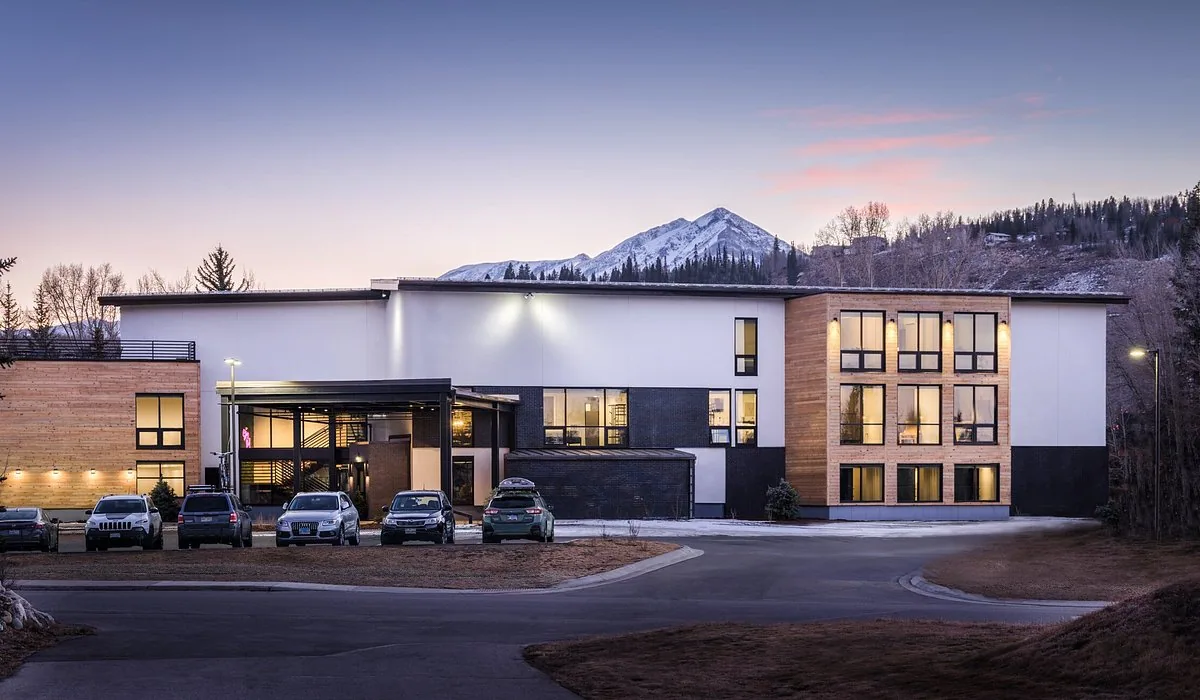
Plan roofing for commercial properties in The Blocks with an inspected work boundary, access sequence, and closeout matched to the building.
The Blocks lies south of Downtown above the Arkansas River, within Pueblo’s South Pueblo historic area. The Blocks and Mesa Junction were once a separate municipality before joining Pueblo in 1886. South Pueblo has light-industrial uses along I-25 alongside commercial and mixed-use areas. That history and land-use map identify a broader district, but they do not tell us which building currently needs service or what roof system it has. We confirm the property and inspect the assembly directly.
Commercial and light-industrial uses require a project sequence that accounts for access, deliveries, and occupancy below the roof. The building contact confirms the property entry, lift placement, work hours, and any interior protection. We mark the roof zones, drains, transitions, and known defects before proposing repair or replacement. Pueblo’s seasonal heat and snow influence product handling and water management, so the plan needs a secure stop point for each shift.
What does a roof walk establish in The Blocks?
Begin at the reported leak or surface problem, then inspect the surrounding assembly. We check seams, flashing, penetrations, curbs, drains, roof edges, and earlier repairs. If a condition cannot be seen from the surface, record whether an opening, test, or another access visit is needed. A measured map separates the area actually inspected from the portion outside the work boundary, which keeps the recommendation tied to evidence.
A commercial roof inspection records field conditions by zone. If water is active, leak tracing checks likely entry points through seams, drains, and transitions. For a property with repairs from several periods, a due-diligence roof survey can organize available records and observed layers before an owner makes a capital decision.
The Blocks and Mesa Junction share that municipal history, while South Pueblo now includes commercial, mixed-use, and light-industrial areas. The property contact confirms current building use, equipment, storage, and access before staging. We ask about equipment, storage, occupied rooms, and access constraints before staging. If removal opens a hidden layer, pause and show the project lead before changing quantities or extending the repair boundary.
What determines the right repair or reroof option?
A single seam or flashing defect can be a localized repair if surrounding material and substrate are sound. Repeated water entry, wet insulation, weak attachment, or damaged deck may call for a larger comparison. We inspect the layer stack, drainage path, and tie-ins, then describe what can be verified and what needs an opening. If the condition changes during removal, secure the zone and show the owner before the crew continues beyond the approved scope.
For membrane work, EPDM system evaluation checks seams, field condition, and details at walls and curbs. A recover-versus-tear-off assessment weighs moisture, existing layers, fastening capacity, and code considerations before adding material. A coating is only appropriate on a compatible, dry assembly with adequate drainage; it does not correct a failing deck or a persistent low point.
Pueblo’s normal July high is 93.4°F and its 30-year seasonal snowfall average is 28.3 inches. We measure the roof surface before applying material and check whether drains and edges can manage runoff as temperatures change. Current forecast, surface moisture, and access determine the work window. Use Pueblo’s seasonal climate to plan work windows, then inspect the roof and forecast at the building before opening a zone.
How do the I-25 and river-side context affect work?
Light-industrial activity follows I-25 in South Pueblo. That provides a broad reference for logistics, but the property determines its own truck entrance, loading needs, and roof access. Before mobilization, we confirm where materials can be staged, whether a lift can set up, and how the crew will keep occupied paths clear. If production or a business remains open below the roof, coordinate its schedule and protection before opening the assembly.
The Blocks sits above the Arkansas River, while Downtown is immediately north. We do not infer access, elevation, or roof condition from that geographic description. We walk the actual route, set barriers, and identify where debris or equipment can move without restricting the building’s service paths. For a multi-day project, each phase includes the zone to open, the tie-in to complete, and the person who signs off on the watertight stop.
A Downtown Pueblo roof survey may address mixed-use storefronts; a Mesa Junction inspection concerns its own district conditions. Portfolio comparisons can help set priority, but each site needs a separate roof map and operating plan. We keep the project record attached to the building and work actually authorized.
Where a roof edge faces an adjoining parcel, identify which owner controls the boundary and who will approve access before setting a flashing repair. We photograph the transition, state what can be reached from the subject building, and list any detail that requires coordination across the property line. That keeps the estimate measurable and avoids implying that a neighboring section is included without authorization.
For a roof above a shared interior or service area, confirm where protective coverings can be installed and which staff member will check them after the crew leaves. Put those responsibilities in the sequence along with the material staging point and the location of the daily closeout. A clear handoff helps building operations continue while roofing proceeds in separate zones. Before arrival, identify the property entrance, any alley or shared driveway, and where material can be staged without obstructing a neighboring business. If a wall or parapet is shared, confirm ownership and work authorization before detailing the tie-in.
What does a sound closeout document?
Before changing an assembly, confirm which authority reviews the parcel and what permit requirements apply. The owner or design lead confirms which permit authority covers the parcel and what amendments apply before details are set. Those provisions may affect insulation or drainage details, while the field inspection establishes the existing roof condition. Keep the permit discussion and roof findings connected but distinct in the scope.
At handoff, inspect completed seams and flashing, clear the drainage path, and compare work with the approved zone map. Photograph tie-ins, list inaccessible or deferred sections, and note any temporary protection still in place. If removal exposed concealed damage, document the approved change and the revised boundary. This record tells the property team what work is complete and which condition needs another inspection or budget decision.
A maintenance visit can check drains and transitions after repairs. For planning future work, capital planning can rank projects from verified roof conditions. The closeout names who receives the photographs and report, who can release another roof zone, and when the next access window is available.
Commercial Roofing Questions
Does The Blocks’ history indicate my building’s roof age?
No. For a current roof decision, compare property records with the assembly and condition observed during inspection.
Does South Pueblo’s industrial plan apply to every property in The Blocks?
No. It identifies light-industrial uses along I-25 alongside commercial and mixed-use areas. We verify the current parcel use, building, and access before selecting a roofing sequence.
Can we reroof while a business remains open?
A phased plan may work when the assembly, weather, and access allow it. We coordinate customer routes, interior protection, delivery timing, and secure stops with the property lead.
What if the permit requirements are unclear?
The owner or design lead confirms jurisdiction and current amendments before the assembly change is finalized. We can then align roof details and the work sequence with the applicable permit path.

Set a South Pueblo roof walk
Share the property location, access route, roof history, and reported conditions. We will inspect the assembly, define the work boundary, and coordinate the sequence with your building contact.
Call 555-555-5555 or email [email protected].