
Home / Roofing Capabilities / Commercial Roof Due Diligence Surveys
Commercial Roof Due Diligence Surveys in Pueblo, CO
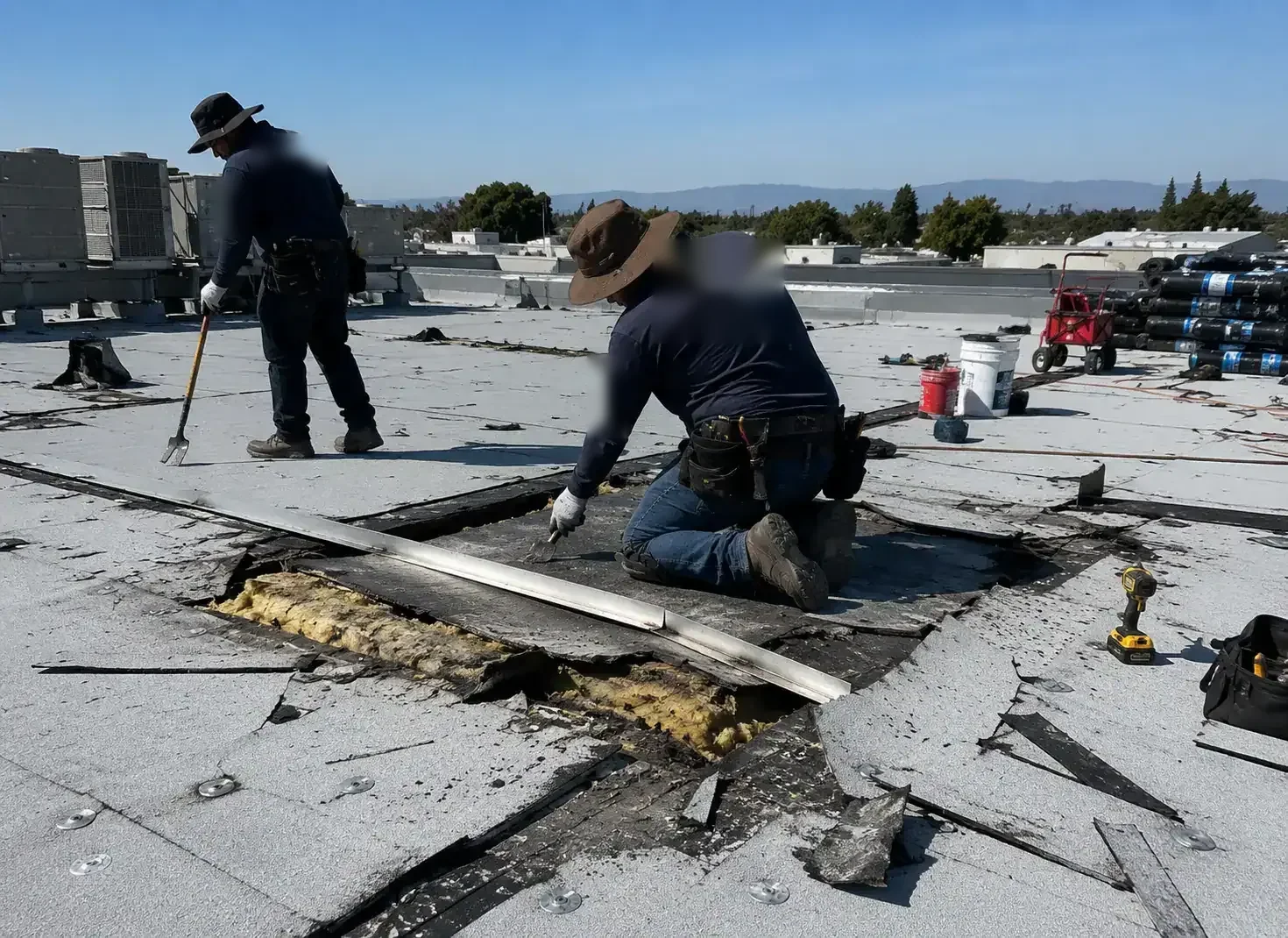
Evaluate a commercial roof before acquisition or refinancing in Pueblo, CO with mapped conditions, access limits, repair priorities, and useful records.
A roof survey for a transaction should separate what the inspector could see from what the purchase team still needs to confirm. We review available plans and repair records, walk accessible roof zones, photograph material condition and transitions, and identify active water or safety concerns. The report lists repair priorities, likely near-term work, and limits such as inaccessible areas or unknown assembly layers. It supports a building decision without replacing legal, structural, or environmental due diligence.
Pueblo properties range from industrial and rail-served employment areas to Downtown commercial buildings and PuebloPlex redevelopment sites. The area’s variety makes the property-specific inspection more important than broad assumptions based on its neighborhood or prior use. A Downtown Pueblo roof survey begins with the current structure, available records, and access window, not an inference about its construction from the district.
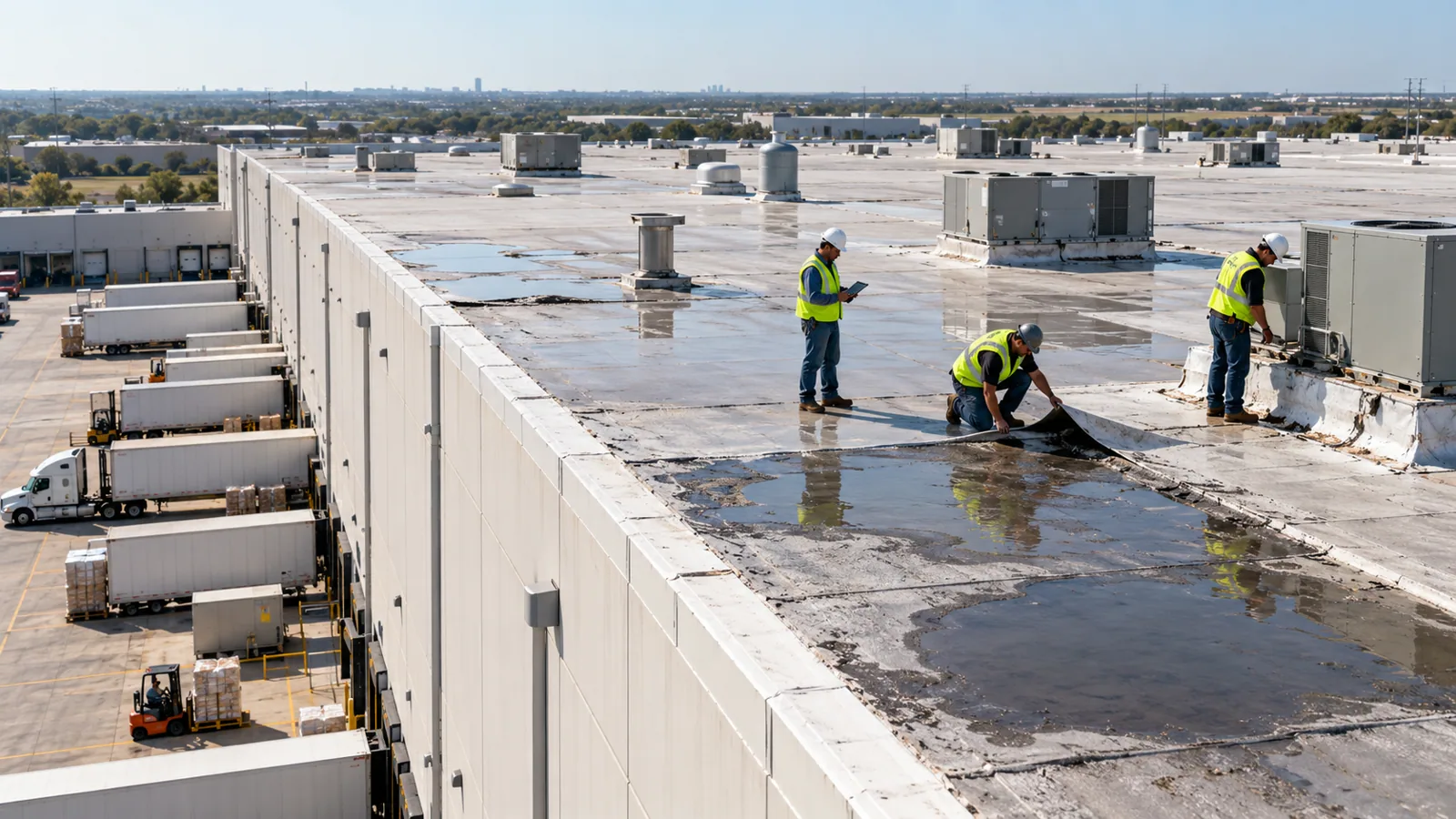
Which documents should be reviewed before the site walk?
Request roof plans, project specifications, invoices, repair orders, leak logs, warranties, maintenance records, and any infrared or test-opening results. Compare dates, system names, areas, and stated work boundaries. A replacement invoice for one wing does not establish that the adjoining roof received the same assembly. If the record set conflicts with visible conditions, identify the difference and estimate what inspection or testing would resolve it.
A condition report can tie findings to photos and roof zones, while a field inspection establishes current visible condition. If concealed moisture may affect value or scope, moisture screening can guide further checks where conditions are appropriate. None of these steps turns an unknown roof layer into a confirmed fact; the report states what was observed and what remains untested.
Ask the seller or current property team who controls roof access and whether any system is under a separate maintenance agreement. If warranty documents are provided, match the covered building and area to the actual plans. A warranty file review can inventory issued documents, maintenance terms, and missing confirmations without representing that coverage will transfer or remain in force.
What roof conditions can change the transaction view?
Look for active leaks, wet insulation, open seams, failing flashings, loose metal, ponding, damaged drains, repeated patches, exposed deck, and rooftop equipment support concerns. Record severity and location, not only a general condition grade. Note whether the issue affects the whole roof zone or one localized detail. Where surface evidence suggests hidden deterioration, identify the test opening or engineering review needed rather than assume a complete repair quantity.
Separate immediate protective work from planned renewal. A repair scope may address an open transition or localized leak; a replacement comparison may be warranted where deterioration is broad or recurring. If an additional roof layer is under consideration, recover feasibility depends on existing assembly, attachment, drainage, moisture, and applicable rules. The transaction report presents these as alternatives with distinct assumptions.
Access, staging, and occupied space can change project timing. Identify roof hatches, lifts, edge protection, equipment shutdowns, interior areas under repair, and any secure access procedures. For an acquisition, the seller may control the site during inspection; the buyer’s project team should know which zones were unavailable. A limited walk should be called limited, not described as a complete assessment.
How should local conditions enter the survey?
Pueblo averages 93.4°F for its July mean high and 28.3 inches of seasonal snowfall. Those climate normals help frame heat exposure, drainage, and winter access, but they do not establish current roof condition or snow load. The survey records the inspection-day weather and notes whether water, snow, or access restrictions limited visibility. If the transaction schedule falls near a seasonal constraint, identify the field check that remains necessary.
The historic Pueblo Armory roof plan provides a past example of roof-zone documentation: it names separate areas and maps drains, parapets, HVAC equipment, and penetrations. Use the roof-zone example to organize the subject property’s own drains, parapets, equipment, and penetrations. EVRAZ, Minnequa, and the airport employment district are part of Pueblo’s industrial geography. A Minnequa-area inspection still needs records and access for the subject property.
Where the proposed work may require permits, confirm which authority has jurisdiction over the parcel. For locally reviewed projects, 2021 editions of the IBC, IEBC, and IECC apply; confirm parcel jurisdiction and amendments before finalizing design decisions. Note the open jurisdiction question and direct it to the project lead or permit professional before scope is finalized.
How can findings be presented to the buyer?
Summarize urgent exposure, likely near-term repair, longer-term capital work, and unresolved items as separate categories. Include a map, dated images, repair limits, order-of-magnitude cost drivers only where supported by an estimate, and the evidence behind each conclusion. Avoid assigning a remaining service life unless the method and available evidence support it. The buyer can then distinguish immediate operational risk from a funding decision that requires additional investigation.
For a multi-building purchase, asset tracking can preserve each building’s system, condition, and repair history. A capital plan can compare phasing after the buyer confirms priorities and financing. Keep property-level reports separate even when an executive summary compares them. A shared table should not make one building’s roof finding appear applicable to another.
Record all limitations: no interior access, weather obstruction, inaccessible roof sections, no destructive test, or records not supplied. Describe how each limitation affects the conclusion. If a follow-up test can narrow the uncertainty, state its location and decision purpose. That gives the buyer a practical next step without overstating what a visual roof survey can establish.
What should the acquisition team receive?
Deliver the findings, labeled roof-zone map, dated photos, reviewed documents, priority list, repair alternatives, and open verification items. Include the report date and inspection conditions. If the owner authorizes a test opening or urgent stabilization after the walk, issue that result as a dated addendum and preserve the original observations for context.
Bring the transaction timeline, building list, access authority, existing roof plans, and known leak reports to the survey. We will align the walk with available site windows and identify the decisions that need buyer, seller, or issuer confirmation. The final readout can then move from roof evidence to an acquisition plan without blending inspection findings with unsupported assumptions.
After closing, carry confirmed repairs and open items into the new owner’s maintenance records. A new asset owner should not rely only on the seller’s summary or an older warranty file. The field report and underlying photographs provide a baseline for the next inspection and a clear record of what was not accessible during due diligence.
Commercial Roofing Questions
Does a due-diligence roof survey estimate remaining roof life?
A visual survey can describe condition, repair history, and visible risk, but remaining service life depends on assembly, testing, and maintenance evidence. We state whether the available information supports an estimate and identify what remains uncertain.
Can the seller’s roof report be used as the buyer’s inspection?
It can inform the review, but the buyer should compare its date, scope, access limits, and roof areas with current conditions. We identify gaps and can inspect the subject building where records do not answer the buyer’s questions.
Will the survey include destructive testing?
Only when requested and authorized. A test opening can confirm concealed material, but it needs a location, safety plan, and watertight closeout. The report identifies what visual inspection could not confirm without that step.
Can multiple sites be summarized together?
Yes, with a portfolio summary that preserves a separate map and conclusion for each building. Shared formatting helps compare findings, while roof type, repair need, access, and jurisdiction remain property-specific.

Plan a Pueblo acquisition roof survey
Provide the property list, transaction schedule, roof plans, maintenance and warranty files, known leaks, and access contacts. We will inspect accessible zones and deliver findings with clear scope limits and next steps.
Call 555-555-5555 or email [email protected].