Home / Service Areas / Mesa Junction
Commercial Roofing in Mesa Junction, Pueblo, CO
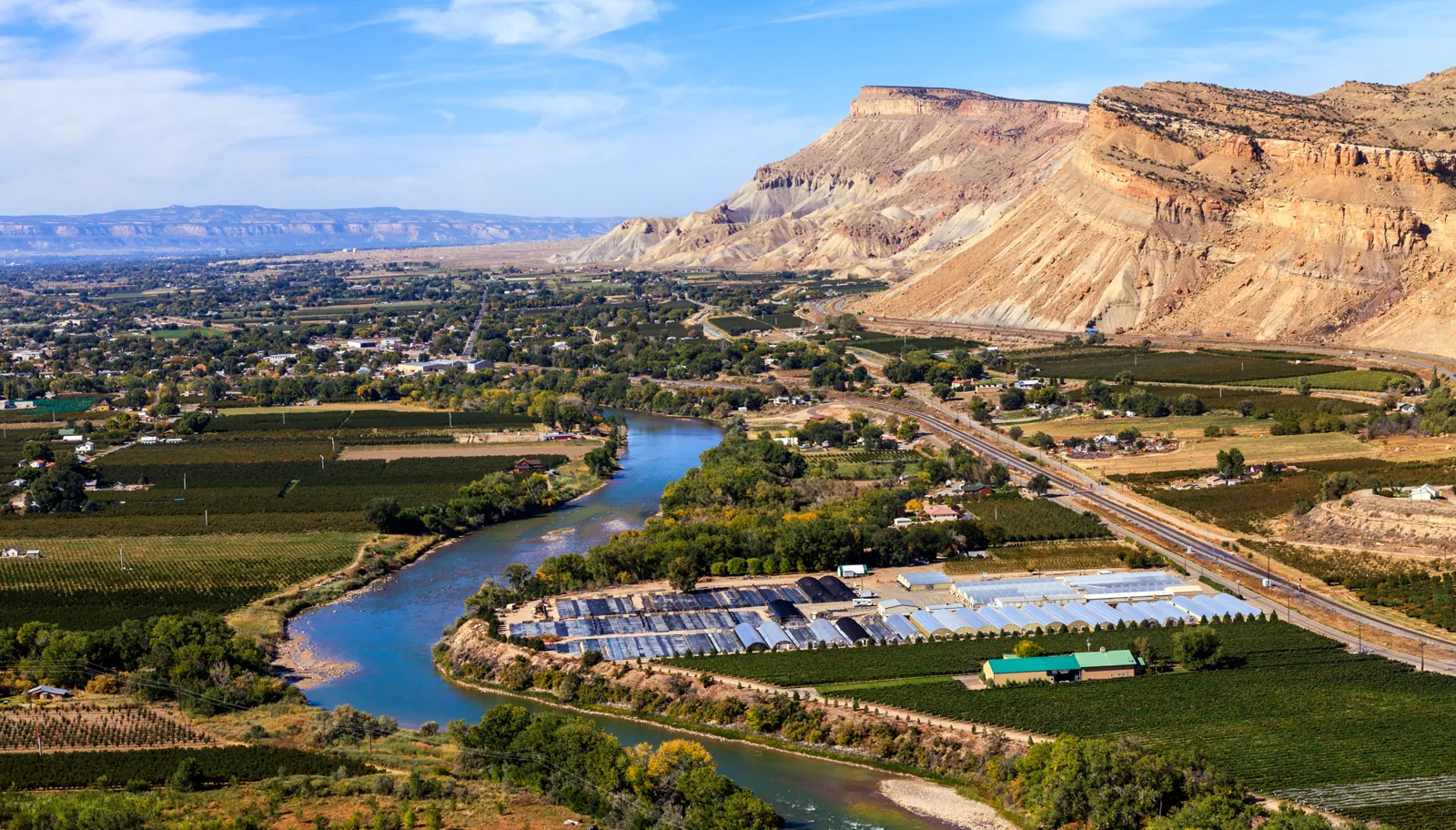
Plan Mesa Junction commercial roofing with a measured survey, clear access plan, and repair sequence for its mixed commercial and residential blocks.
A roof scope in Mesa Junction has to fit a district where commercial uses sit alongside high- and low-density residential development. Mesa Junction is a historic grid-plan neighborhood southeast of Downtown and Corona Park. Pueblo Community College is about one-half mile north, and local businesses and residences serve students and faculty. That context makes access and occupant coordination relevant, but it does not identify the use or roof structure of a specific property. We confirm the building, operating schedule, and assembly at the first walk.
A grid of blocks can make delivery and staging different from a larger employment park. We identify the property entry, lift position, resident or customer paths, roof-zone boundary, and where material can be kept without blocking neighboring access. Pueblo’s seasonal heat and snowfall shape the timing of membrane work and drainage review. The plan should pair those weather checks with the actual roof condition and the hours available to complete each zone.
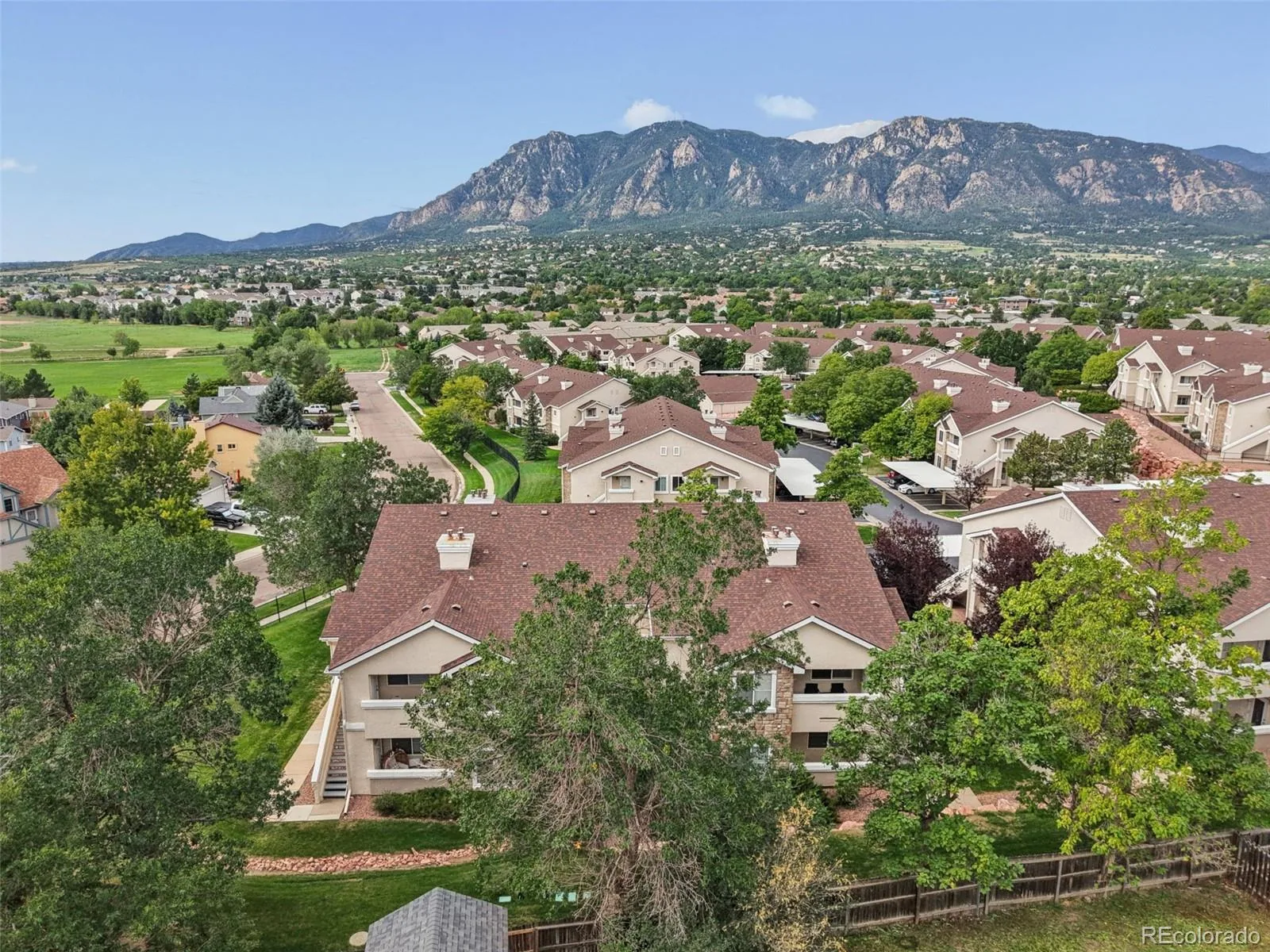
What do we look for before setting a repair limit?
We begin with the reported leak or visible deterioration, then inspect the surrounding roof field and transitions. The walk checks membrane or metal condition, seams, flashing, drains, curbs, roof-to-wall details, and any previous repair. We mark the extent that can be verified and identify where access, concealed moisture, or substrate condition may require follow-up. A map tied to photos gives the owner a reason for the proposed boundary and a clear view of what remains unconfirmed.
A commercial roof inspection records observations by roof zone. When water is entering, leak investigation tests likely paths through the assembly instead of assigning the source to the spot directly above a ceiling mark. If the roof may contain moisture below the membrane, a condition report can distinguish what was observed from any area requiring an opening or additional test.
The district’s mixed land uses mean a commercial property may have neighbors and occupants nearby, but the site contact confirms the actual access and protection needs. Before cutting the roof, we agree on interior protection, who can release the next zone, where debris will travel, and how a weather interruption is handled. If a condition differs from the drawings, stop at the affected point and show the project lead before expanding the scope.
How does nearby college activity affect coordination?
Pueblo Community College is roughly one-half mile north of Mesa Junction, where local businesses and residences serve students and faculty. That does not mean a particular Mesa Junction property is on campus or has a student tenant. It does make the neighborhood context useful when a project needs a clear route for delivery, parking, or pedestrian separation. We confirm each property’s actual hours and traffic restrictions rather than inferring them from the nearby institution.
For a roof with rooftop equipment or signs, agree on the trade handoff before removal. We identify which crew disconnects and restores each item, how the membrane tie-in is inspected, and whether an occupied room below needs protection. A roof repair is not complete when the new membrane is in place if a curb, conduit, or drain was left outside the boundary. The closeout should show each detail and the person responsible for any work excluded from the roofing scope.
Where the structure is older or has had multiple repairs, the visible surface may not reveal all underlying layers. We check attachment, insulation, and deck condition where access allows, and avoid treating a neighborhood designation as evidence of roof age. If replacement is under consideration, a measured replacement scope describes removal, substrate repair, drainage, edge metal, and tie-ins. If existing layers may remain, recover planning checks moisture and fastening capacity before proposing another system.
How do local weather patterns affect the work window?
Pueblo’s average July high is 93.4°F; seasonal snowfall averages 28.3 inches. Summer heat can make the roof surface warmer than the air, while winter runoff tests drainage paths and edge details. We check the actual substrate, moisture, wind, and forecast before applying materials or exposing a roof zone. Pueblo’s seasonal averages inform the calendar, while a Mesa Junction roof inspection establishes the assembly and current condition.
A compatible membrane may allow a local repair, while widespread wet insulation or loose attachment can point to removal. For a single-ply assembly, KEE system review considers seams, flashing, and compatibility with the existing roof. A coating restoration assessment requires a sound, dry substrate and effective drainage; a coating does not solve ponding or concealed damage. We compare the choices with the field findings and the owner’s access window.
Each workday ends with a secure roof zone. If a thunderstorm or temperature shift changes the sequence, cover the exposed area, confirm the temporary protection, and report the stop point to the building contact. Repairs near occupied rooms may require a second coordination step before the crew resumes. The owner should know what can proceed, what needs another inspection, and what decision is needed to keep the next phase on schedule.
What should the project handoff contain?
For a proposed assembly change, have the project lead identify the plan reviewer and applicable amendments before procurement. Before an assembly change, the owner confirms the parcel’s reviewer and current permit requirements. The review helps settle insulation and drainage details, but only the field inspection can establish the existing layers and substrate.
At closeout, we compare the finished work with the roof-zone sketch, confirm repaired seams and transitions, clear drains, and photograph tie-ins. The record notes any inaccessible area, concealed condition, or excluded work that remains. If the project involved multiple trades, identify the completed handoff and any item still assigned to another crew. A property manager can then connect the repair to future inspections without assuming the entire roof was renewed.
A Downtown Pueblo roof assessment may involve mixed-use storefronts, while a Lake Minnequa survey covers a different corridor and use mix. We preserve each building’s condition record separately. For recurring service, preventive roof maintenance can schedule drain and transition checks, and capital planning can rank the next scope against the verified roof conditions.
We also confirm who is responsible for after-hours access and where the completed photo record should be sent. That handoff matters when the person who reported a leak is not the owner approving repairs or the staff member tracking maintenance. Names and roles are recorded with the building contact, not inferred from nearby institutional use.
Commercial Roofing Questions
Does nearby Pueblo Community College mean my property is a campus building?
No. Pueblo Community College is about one-half mile north of Mesa Junction, where nearby businesses and residences serve students and faculty. We verify the specific property and occupancy before planning work.
Can you inspect a roof without interrupting a neighboring business?
We coordinate property access, lift placement, and the roof walk with the site contact, then keep the work boundary within the approved area. Any noise or restricted access is scheduled with the building lead.
How do I know whether a repair is enough?
We inspect adjacent seams, flashing, drainage, substrate, and insulation, then distinguish a localized defect from recurring or concealed damage. The proposal explains what supports repair and what may require a broader comparison.
What if a roof opening reveals more layers than expected?
We stop at the opening, protect the building, photograph the layers, and show the project lead the condition. Any added removal or deck work is described separately for approval before the crew proceeds.
Schedule a Mesa Junction roof walk
Provide the building’s access hours, leak history, roof records, and any protection needs. We will document the assembly, set the repair boundary, and coordinate the work sequence with your site contact.
Call 555-555-5555 or email [email protected].