Home / Service Areas / Northside Pueblo
Commercial Roofing in Northside Pueblo, Pueblo, CO
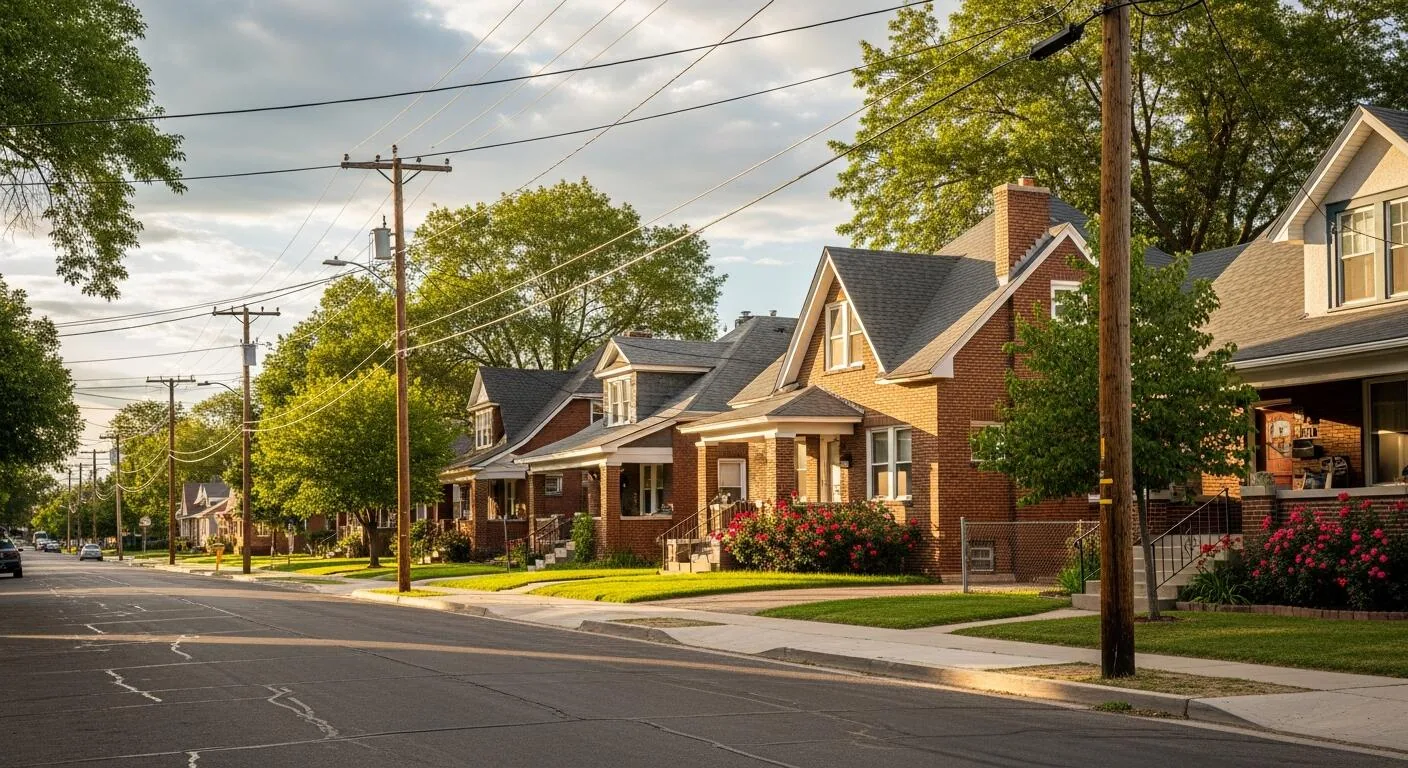
Plan Northside Pueblo commercial roofing with a property-level survey, safe access sequence, and documented repair boundary for occupied buildings.
Northside Pueblo covers a defined study area, so a commercial roof scope should start with the property location and its present use. Northside extends generally from I-25 to Craig Street and from 10th Street to about 29th Street. Its inventory covered 347 properties, including resources eligible for the National Register and Pueblo Register. Those are survey findings for the study area, not a count of commercial roofs or a statement about any one building’s status. We inspect the property and verify its assembly before setting work limits.
The study distinguishes older southern blocks from the northern survey area and recommends Thatcher and 18th Street historic districts. If a property falls near those areas, the owner should confirm any review requirements before changing the roof assembly. Our field walk remains focused on seams, flashing, drainage, penetrations, and substrate. Pueblo’s summer heat and winter snowfall inform material handling and water-path checks without substituting for current roof readings.
How do we define the property before inspection?
Confirm the building’s cross streets, entrance, and the portion of roof in the requested scope. The neighborhood boundary helps orient the service area; property ownership and roof access are confirmed with the site contact. We record the actual roof zones, identify where a ladder or lift can be positioned, and ask which interior spaces need protection. If the property has a historic review or permit requirement, the owner’s team confirms it before assembly changes are selected.
A commercial roof inspection records the visible assembly and repair history by zone. For active water entry, leak tracing follows drains, seams, penetrations, and transitions to likely entry points. If a building record or survey does not describe hidden layers, a roof condition report can note observed facts and identify where a test opening is needed.
The 347-property inventory includes resources eligible for state and national registers, but eligibility in the study does not determine whether a particular roof is protected or what approvals apply. We do not infer a designation from location alone. If the owner identifies a preservation review, coordinate the reviewer, documentation, and approved details before removing materials. Then align the roof scope with those requirements and the building’s actual condition.
What findings separate a repair from a replacement?
An isolated puncture or failed flashing can be a measured repair when adjoining material is sound. Repeated leaks, wet insulation, loose attachment, or deteriorated deck may require a wider boundary. We inspect the roof field and details around the complaint, then explain what evidence supports each option. If the assembly must be opened to confirm substrate or layer count, mark the location, protection method, and approval step in advance.
For a membrane roof, modified bitumen system review checks the field, seams, flashing, and existing repair details. A recover-or-removal comparison checks moisture, attachment, layers, drainage, and applicable requirements. Coating may work on a compatible dry surface with sound substrate, but it does not fix a blocked drain or concealed deterioration.
Pueblo’s July normal reaches a 93.4°F average high. That seasonal context matters when planning exposed-surface work, but roof temperature, product limits, and the current forecast determine the safe application window. We check the forecast and product limits before work starts. A daily stop point leaves the building watertight if wind, precipitation, or a change in access interrupts the planned sequence.
Where roof areas cover adjoining occupancy, we label the condition, interior room, and access limit separately. This helps the owner authorize a focused opening or replacement phase without treating every roof zone as identical.
How do we protect residents, businesses, and historic resources?
The property contact identifies current occupants, routes, deliveries, and any area where work noise or staging must be limited. If the building is near a study-recommended historic district, share the applicable review path before selecting removal or edge details. A street boundary alone does not prove that a property is included. We coordinate access and interior protection for the actual site, then identify which trade owns each curb, conduit, or wall transition.
Where a crew uses a lift, confirm clearances, ground conditions, and pedestrian separation before reserving equipment. Materials should arrive for the zone being completed, not accumulate along a block or restrict neighboring access. If the project spans several days, the work plan states which sections will be open, how they will be secured at shift end, and who receives the next-day status. For occupied buildings, a clear route and contact list matter as much as the roof detail.
Nearby places have their own contexts. A Eilers Heights roof survey accounts for an industrial and residential district; a Downtown Pueblo assessment considers mixed-use storefronts. If comparison helps a portfolio, keep each property’s study reference and roof condition separate. No roof assumption transfers from one district to Northside.
If work is proposed near a Thatcher or 18th Street area named in the study, ask the property contact to identify the applicable historic review before selecting a detail that changes visible edges or removes existing material. We can document the roof condition and coordinate the work package once those requirements are clear. The study’s recommendation is a planning signal, not a property determination, so confirm it before the schedule is fixed.
For properties near active streets or occupied neighboring uses, define where a lift can stand, how deliveries enter, and which pedestrian or vehicle routes must remain open. The site contact confirms those conditions before equipment arrives. If a historic review applies to a particular building, identify its scope before changing visible roof edges; district context alone does not establish a designation or approval requirement. A roof walk can document the work boundary while the owner confirms any separate review path.
What records keep a repair verifiable?
Before changing attachment, insulation, or drainage, establish the permit path and any property-specific review. Before setting roof details, the owner verifies permit authority, current code editions, and amendments for the parcel. If a preservation process applies, coordinate that as a separate design input. The roof survey checks the assembly beneath the membrane where a test opening is needed.
At completion, inspect repaired seams and transitions, confirm drains are open, and compare the work with the approved zone map. Photograph the finished details, record any inaccessible portion, and list items that remain outside the contract boundary. If an opening revealed a different substrate or additional layers, preserve the approved revision. The owner should receive enough information to understand what was repaired and what needs later investigation.
A maintenance inspection can recheck drainage and flashing on an agreed schedule. For larger planning, capital planning can rank work from verified conditions. The closeout should identify the responsible property contact and the next access window for inspection or repair.
Commercial Roofing Questions
Does the 347-property survey count refer to commercial roofs?
No. Northside’s historic inventory includes resources considered eligible for register listing. It does not count commercial roofs or identify an individual property’s use, roof type, or current condition. The roof count must come from site inspection.
Does a recommended historic district mean my roof work needs approval?
The study recommendation alone does not establish the status of a specific parcel. The property owner confirms applicable review requirements before changing the assembly, and we coordinate the roof scope with that process.
Can you inspect a roof without knowing whether it is historic?
We can record visible field conditions, but the owner should identify any review requirements before removal or material changes. We mark areas that need approval or a later access step separately from completed inspection findings.
How is the Northside work area identified?
We use the property’s cross streets, entrance, and roof-zone map to define the scope. The broader City study boundaries orient the district, while the site contact confirms access, ownership, and affected areas.
Schedule a Northside Pueblo roof survey
Provide the property location, roof records, access limits, and any known review requirements. We will document field conditions, define a measured boundary, and coordinate the work sequence with your project contact.
Call 555-555-5555 or email [email protected].