
Home / Service Areas / Florence
Commercial Roofing in Florence, CO
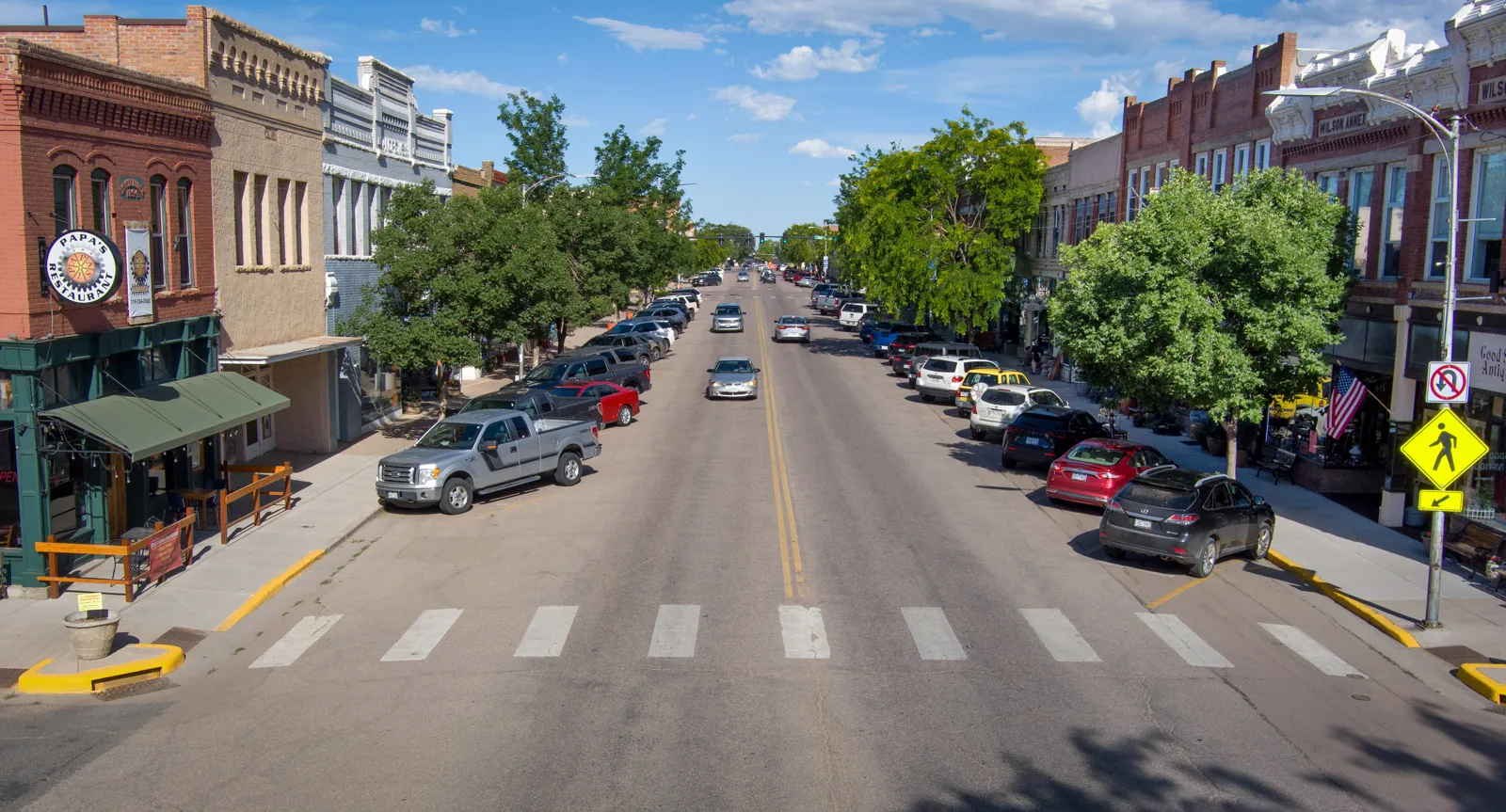
Coordinate Florence commercial roofing with a building-level inspection, downtown access plan, and repair scope tied to measured roof conditions.
Commercial roofs in Florence’s downtown retail and food district need work sequenced around customer entry, deliveries, and the building’s access route. We inspect roof zones, drainage, seams, flashing, penetrations, and prior repairs, then mark which areas can be opened and secured within a work window.
The downtown retains antique and retail businesses and an emerging culinary district, so customer routes and delivery times can affect staging. The property contact confirms operating hours, roof access, and interior areas needing protection. We compare available drawings with the assembly in place and define a repair or replacement scope from that walk.
What does a first roof walk cover?
Start with the reported leak or deterioration, then examine surrounding roof details. We check the membrane or metal, seams, flashing, drains, curbs, edges, and any visible repair. If a room or tenant below is occupied, coordinate interior protection before testing or removal. The report labels each zone inspected and notes any location that could not be reached. Where an upper roof drains onto a lower roof, inspect both sides of the transition; an obstruction above can send water across another zone. Mark the discharge path in the roof map. If concealed deck or insulation affects the choice, mark where an opening is needed instead of assuming it is sound.
A commercial roof inspection connects photographs to the roof map. For active water, leak tracing follows the assembly and drainage path rather than assigning the entry point from the ceiling stain. A condition report can distinguish immediate repair from a deferred item that needs more access or a test opening.
Florence’s downtown includes antique and retail stores and an emerging culinary district. Operating hours and customer entry therefore belong in the access plan, with the property contact setting the actual work window. We confirm which doorway remains open, how deliveries are staged, and whether street or alley access is available before dispatching a lift or material truck.
How does a downtown setting affect repair options?
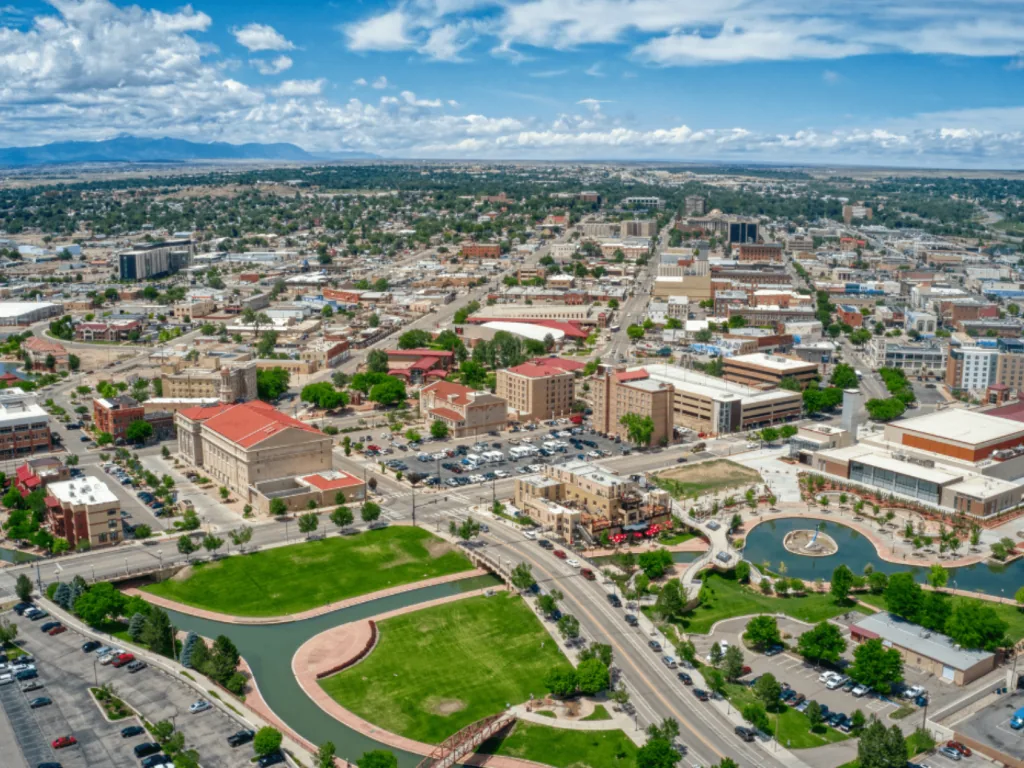
Florence’s former commercial core and historic rail connections make delivery routes part of a downtown roof walk. We compare available drawings with field layers, inspect perimeter transitions and drainage, and identify details that need careful sequencing. We compare available drawings with field layers, inspect perimeter transitions and drainage, and identify any detail that requires careful sequencing. If an opening reveals more layers or damage than expected, stop at the boundary, secure the section, photograph the condition, and present additional work separately.
A localized flashing or seam issue can be repaired if the adjacent assembly is sound. If water recurs across several zones, insulation is wet, attachment is weak, or the deck is deteriorated, broader removal may be appropriate. For a membrane roof, modified-bitumen review checks surface, seams, flashing, and tie-ins. A recover-versus-removal assessment considers layer count, moisture, attachment, and drainage before another system is installed.
Pueblo averages 28.3 inches of seasonal snowfall; for a Florence project, we check the roof surface, wind, moisture, and current forecast against material requirements. If a storefront or restaurant must open at a set hour, close the active roof zone in a way that protects the assembly and clears any interior access before business resumes.
How can work stay compatible with the downtown core?
Before mobilization, confirm whether the building is on a customer-facing block, where a delivery can stop, and whether a lift can be placed without blocking the route. The owner provides current business hours, service entries, and any pedestrian controls. We schedule noisy removal and material movement to the agreed window, keep the work boundary visible, and protect occupied rooms beneath the roof. Before a lift arrives, note overhead clearance, drop location, and the route for debris; not every service entry allows the same turning or staging. The business contact identifies which public entrance stays open.
For a phased replacement, remove only the section that can be secured and made watertight during the shift. Coordinate sign, HVAC, electrical, and roof penetration work before the membrane tie-in is closed. If a delivery or public event changes the sequence, update the boundary and tell the owner what is complete, what remains protected, and when the crew will return. That prevents an operating business from assuming the entire roof is finished after a partial phase.
A Cañon City commercial roof survey has its own Main Street and US 50 corridor context. A Downtown Pueblo roof inspection also needs separate tenant and access planning. Where historic review applies, confirm the requirements for that parcel before finalizing attachment, edge, or drainage details.
At a shared parapet or party wall, establish who controls the transition and which side the crew can reach before removing metal or flashing. Photograph the existing detail, mark the repair limit, and price adjacent-property work only when access and authorization are included. If water appears to cross the boundary, keep the observation separate until the neighboring roof can be inspected.
For a roof with several tenant suites, mark the interior spaces below each active zone and coordinate notice before noisy work begins. The building contact can then schedule deliveries, customer access, and any temporary closure around a defined roof sequence instead of reacting after material has been removed.
For a multi-suite building, map occupied rooms below each active roof zone and coordinate notices before noisy work begins. If an entry or service lane needs to stay open, stage materials one roof zone at a time and clear the route at the agreed stop point. The closeout identifies what is watertight, what remains protected, and which work awaits a separate authorization.
What should the owner receive after the work?
Before changing attachment, insulation, or drainage details, the owner or design lead confirms which building department reviews the Florence parcel and which amendments apply. Keep those requirements separate from the field survey, which records the existing roof and any concealed condition that needs an opening.
At closeout, check completed seams, flashing, transitions, and drains against the approved zone plan. Photograph tie-ins, note any section not inspected, and list conditions left outside the scope. If a roof opening changed the quantities, include the revised work limit and owner approval. The property manager should know what was repaired, what remains protected, and which issue needs a separate inspection or budget decision.
A maintenance inspection can revisit drains and exposed transitions on an agreed schedule. For planned work across multiple buildings, capital planning can prioritize repairs from documented condition records. The final handoff names the report recipient, the property access contact, and the next window for a follow-up visit.
Commercial Roofing Questions
Can you confirm the roof layers before pricing a downtown repair?
Yes. We compare available roof records with visible layers and transitions, then propose an approved test opening if concealed materials could change the scope. The price identifies confirmed work separately from conditions that still need verification.
Can work be phased around antique or restaurant business hours?
The property contact confirms current hours and public routes. We plan delivery, noisy removal, and each roof-zone stop around that schedule while keeping the building protected.
Will a downtown building need special permit review?
The owner or design lead confirms the applicable city, county, and any property-specific review before an assembly change. We coordinate the roof scope after those requirements are known.
What if an older roof has several repair layers?
We document visible layers and test an opening if the stack affects the recommendation. The proposal separates confirmed work from additional removal that depends on concealed conditions.

Arrange a Florence commercial roof walk
Share the property’s operating hours, access route, roof records, and reported issues. We will inspect the assembly, define a measured boundary, and coordinate protection with your building contact.
Call 555-555-5555 or email [email protected].