
Home / Service Areas / Cañon City
Commercial Roofing in Cañon City, CO
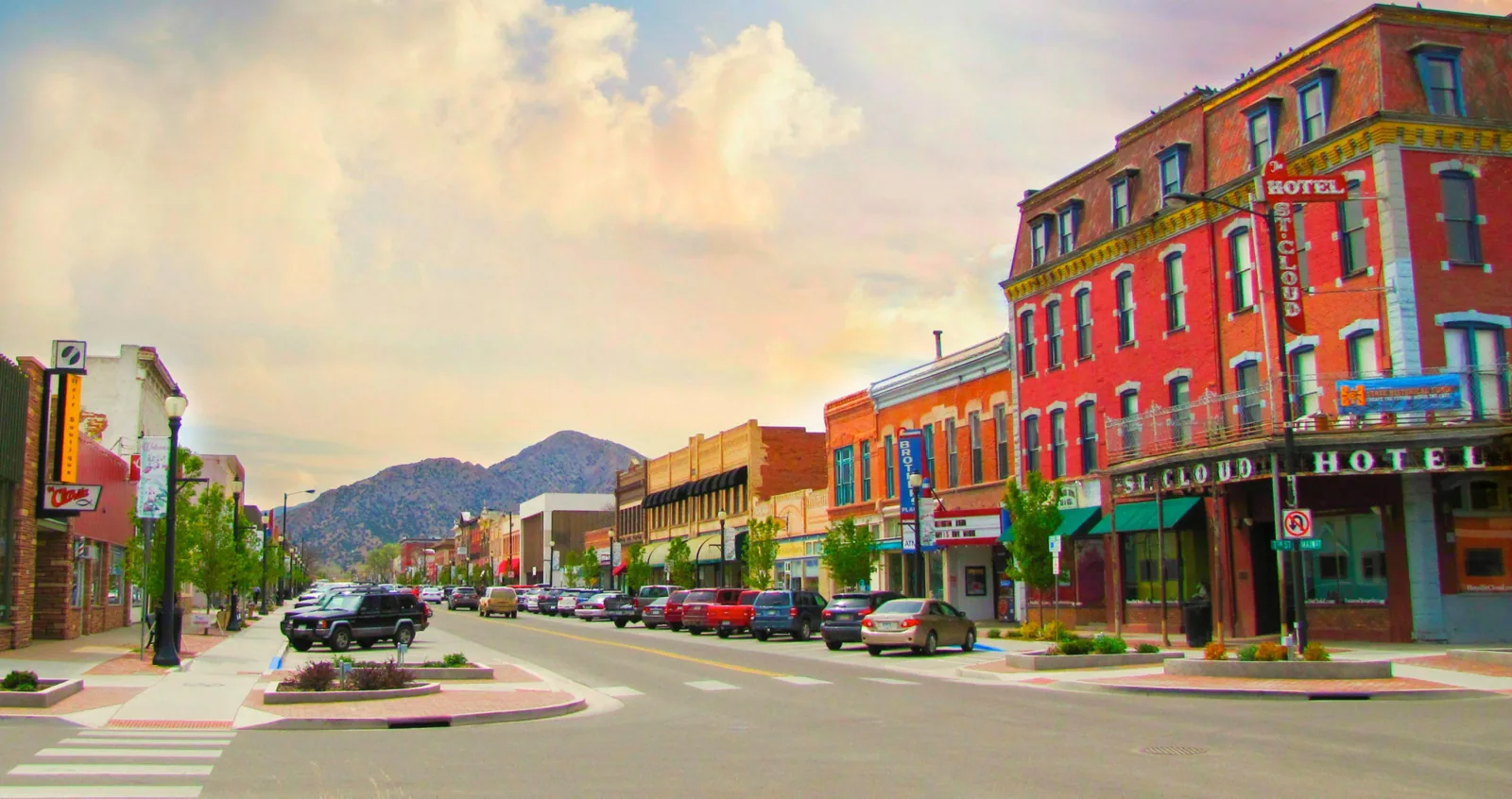
Plan Cañon City commercial roofing with a Main Street access review, measured roof survey, and repair scope matched to verified conditions.
Cañon City’s historic downtown extends along Main Street from 1st to 14th Street and includes the national historic district. Downtown US 50 improvement work spans 1st to 15th Streets and focuses on pedestrian crossings and corridor access. Urban renewal has also supported downtown renovation and redevelopment along the east US 50 access corridor. These conditions matter to material delivery, pedestrian protection, and the scope of any visible roof alteration; we confirm the parcel’s review path before work.
A downtown roofing project has to coordinate the roof boundary with how customers and tenants reach the building. We inspect seams, flashing, drains, equipment curbs, and existing repairs, then plan deliveries, lift placement, pedestrian protection, and the daily stop point. If a property is in the historic district or affected by corridor work, the owner confirms any current access or review requirements before removal begins.
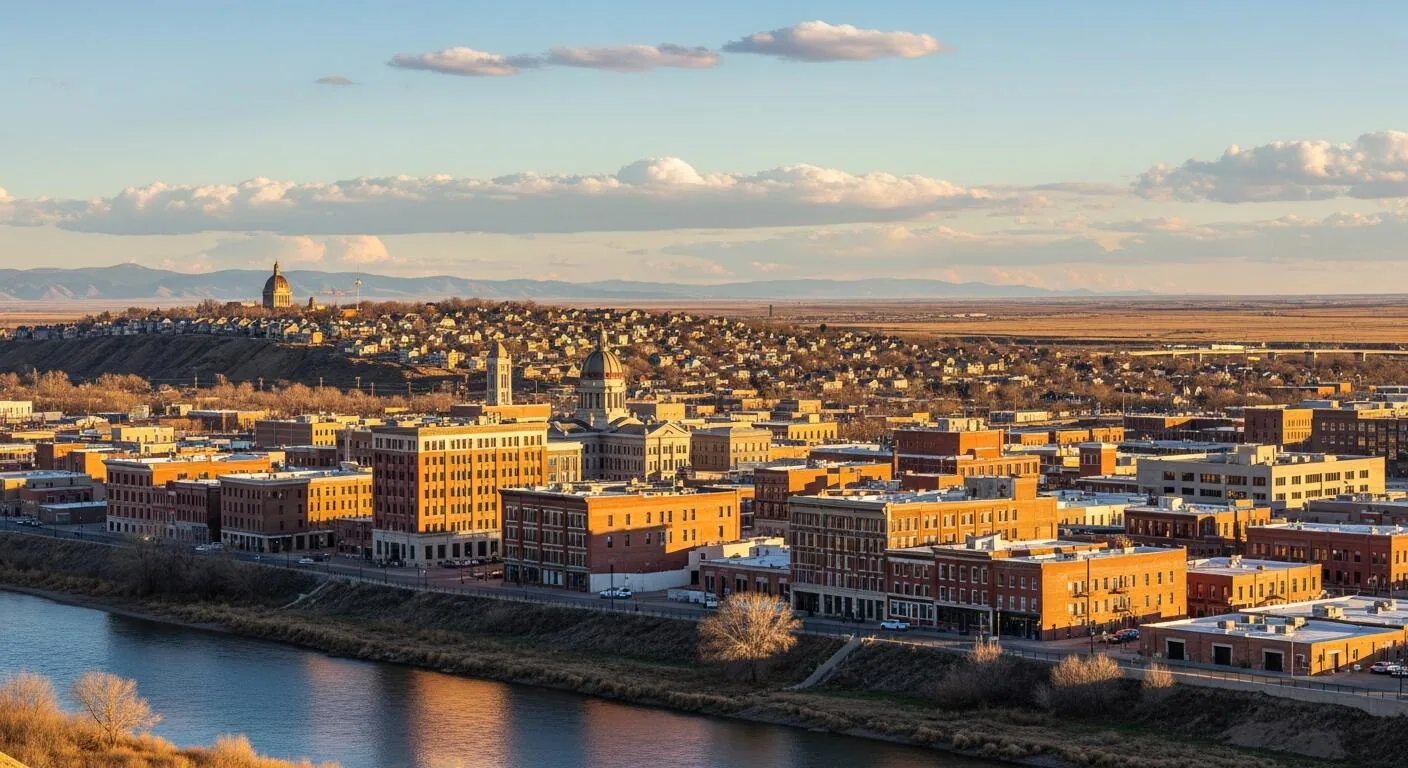
What should be verified before a proposal?
Begin with the reported leak or surface condition and trace the roof zone around it. We inspect membrane or metal, seams, roof-to-wall transitions, curbs, drains, penetrations, and prior patches. Compare field layers with available plans and mark any area blocked by equipment or inaccessible from the first visit. If a hidden substrate or layer changes the recommendation, identify a test opening and its protection plan rather than pricing concealed work as known.
A commercial roof inspection records observations and photos by roof area. For active water, leak tracing follows the drainage route and details that could admit water. A condition report can support an owner decision by showing which items are urgent, which can be planned, and where the initial inspection could not confirm a layer.
Cañon City’s national historic district runs along Main Street, while downtown US 50 improvement work addresses crossings and corridor access. Before removal begins, we confirm the parcel’s status, current street work, and any applicable approvals with the owner or design lead. We coordinate the construction sequence with those requirements and keep the roofing scope tied to the actual property.
How do we compare a patch with a larger reroof?
A seam split or flashing defect can support a contained repair when inspection finds the surrounding roof dry and securely attached. Leaks appearing in separate zones, wet insulation, or deck deterioration call for a broader assessment. We inspect layer count, moisture, drainage, and perimeter conditions before choosing patch, recover, coating, or replacement. If removal reveals a concealed difference, pause at the work boundary, secure the opening, and show the owner before pricing the added work.
For a membrane assembly, EPDM roof review checks seams, surface condition, penetrations, and transitions. A recover-versus-removal assessment evaluates existing layers, moisture, fasteners, and drainage before a new system is considered. A coating is suitable only on a compatible, dry assembly with sound substrate; it will not correct ponding or a concealed deck problem.
Pueblo averages 28.3 inches of seasonal snowfall. At a Cañon City property, we check the actual roof temperature, wind, moisture, and forecast before applying materials or opening a zone. Weather affects cure time and the size of the work window, but current conditions at the site determine the sequence. Each shift ends with a secure boundary and a clear status for the property contact.
How should Main Street and US 50 access be managed?
Downtown US 50 work addresses pedestrian crossings and corridor access from 1st to 15th Streets. Before equipment is dispatched, the property contact confirms current construction, street closures, delivery hours, and lift position. We identify the route for material, where temporary barriers can stand, and which entrances remain open. If a traffic or pedestrian route changes, update the site plan before moving materials through an alternate path.
For a phased reroof, divide the assembly into zones that can be removed, tied in, and made watertight within the allowed window. Coordinate signs, mechanical equipment, and other trades before closing the membrane around a penetration. Protect any occupied space below the active work and record the point where the crew stops. If the building has a separate preservation review, the owner confirms approved details before removal or replacement changes visible edges.
A Florence downtown roof survey has its own historic commercial core and access controls. A Downtown Pueblo inspection considers another mixed-use district. Each property has its own roof assembly, access limits, and review path. We confirm those conditions with the building contact before pricing or mobilization.
Before a material truck arrives, confirm the current street work, the loading area, and how the owner wants customer or tenant routes separated from overhead activity. US 50 improvement work spans the downtown segment from 1st to 15th Streets. The site contact verifies current detours and permitted staging before materials are moved. If a delivery must change, update the lift position and roof access sequence before dispatch instead of trying to unload from an unapproved curb.
For buildings with a historic review, confirm the responsible reviewer and any detail drawings before ordering edge metal or flashing. The roofing crew can document the existing condition, but the owner determines which design or preservation approvals apply. A schedule should show when those decisions are due and which roof areas can proceed without waiting.
Downtown work also needs a clear pedestrian route while materials move overhead. The project lead identifies the delivery window, barriers, and a safe place to stage a lift without blocking the agreed entrance. For a roof with a parapet beside a public sidewalk, confirm how debris will be lowered and where it can be contained. Those details belong in the daily sequence, along with the point where the crew will secure the roof if a street restriction or weather hold shortens the shift.
What should be settled before closeout?
Confirm the parcel’s permit authority and any historic or corridor approvals before changing the roof assembly. The owner or design lead confirms which building department reviews the Cañon City parcel and which code editions, amendments, and approvals apply. Permit and design approvals inform insulation, attachment, drainage, and visible transition details; the roof survey separately establishes existing field conditions.
At closeout, check completed seams, flashing, drains, and edge details against the approved map. Photograph tie-ins, identify any section that could not be inspected, and list deferred conditions outside the boundary. If removal exposed additional layers or damage, retain the owner’s approval and revised work limit. The property team should know which zone is complete, what protection remains, and what still needs an inspection or budget decision.
A maintenance inspection can recheck drainage and exposed details after construction. For planned work across buildings, capital planning can prioritize based on verified conditions. The handoff identifies who receives the report, who coordinates public access, and when a follow-up roof walk can take place.
Commercial Roofing Questions
Does a downtown building automatically belong to the national historic district?
Cañon City’s national historic district runs along Main Street from 1st to 14th Streets. The owner or design lead verifies the parcel’s designation and approvals before changing visible roof details.
Can you work while US 50 pedestrian improvements are underway?
The property contact confirms current closures, access, and delivery restrictions. We coordinate lift setup and material movement with the approved route and revise the sequence if project conditions change. before mobilization.
Does historic redevelopment mean the roof is ready for replacement?
No. Urban renewal describes building renovation and corridor redevelopment, not roof condition. We inspect the actual assembly, substrate, and drainage before recommending repair or replacement.
What if the building records do not show its roof layers?
We mark the uncertainty, identify where an opening would confirm the assembly, and set protection before removal. Any added work remains separate until the owner reviews the exposed condition.

Arrange a Cañon City roof inspection
Share the property location, access requirements, roof plans, and any historic or corridor approvals. We will inspect the assembly, define a measured boundary, and coordinate the work sequence with your contact.
Call 555-555-5555 or email [email protected].