Home / Service Areas / Boone
Commercial Roofing in Boone, CO
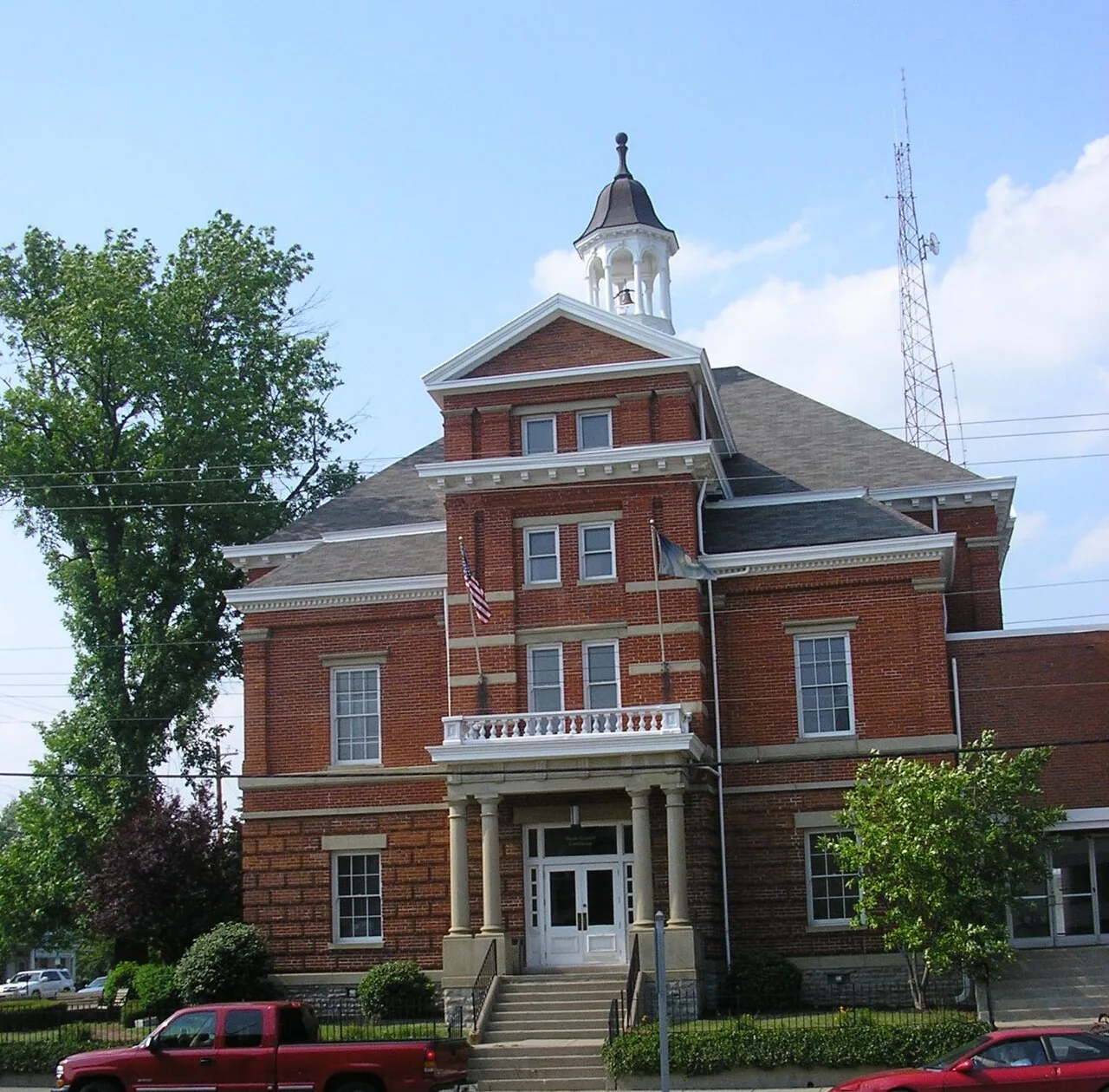
Plan Boone commercial roofing with a property-level survey, agricultural-access coordination, and a repair scope based on field conditions.
Boone is a statutory town about 24 miles east of Pueblo within the eastern agricultural area. Production agriculture is a primary land-use designation there. The town coordinates with Pueblo County on land use and shared matters. These facts describe Boone’s rural planning context, not a list of commercial buildings or the roof on any particular property. We confirm the current property use and inspect its assembly before preparing a commercial service scope.
A roofing job in a small town needs clear agreement on who controls access, where a truck can stage, and what activity below the roof must continue. The owner identifies equipment routes, stored materials, and the work window. We inspect seams, drains, edges, flashing, and previous repairs, then set a boundary that can be made watertight before shift end. Pueblo’s summer heat and winter snow influence timing, while current roof and weather conditions guide each workday.
What needs to be confirmed before pricing?
The first walk identifies the roof zone connected to the reported leak or deterioration. We inspect the membrane or metal, seams, transitions, curbs, drains, and visible repair history. If the access route crosses an active work area, confirm the owner’s approved path and protection requirements before sending equipment. Available roof plans should be compared with the field layers, and any uncertain substrate marked for a test opening rather than assumed.
A commercial roof inspection records photos and observed conditions by zone. For active water, leak tracing checks likely entry details and drainage paths. A roof condition report can document what was inspected, what remains inaccessible, and which finding needs a direct opening before repair or replacement is selected.
Production agriculture is a primary land-use designation in the plan, but that does not prove an individual Boone property has a particular crop, processing use, or commercial roof. We ask the owner about current operations and whether a building supports equipment, storage, or another business service. Those answers affect access and interior protection, not the diagnosis of the roof itself. The inspection remains tied to visible materials and confirmed field conditions.
How do you compare a repair and replacement?
A localized flashing defect or puncture can be repaired when surrounding material and substrate remain sound. Recurrent leaks, wet insulation, loose attachment, or deck damage can change the recommended scope. We inspect the assembly and drainage before comparing patch, recover, coating, or replacement. If removal exposes additional layers or a weakened deck, protect the opening, document the condition, and keep the added work separate for owner approval.
For a membrane assembly, KEE system review checks the existing sheet, seams, penetrations, and tie-ins. A recover-or-removal assessment evaluates moisture, existing layers, fastening, drainage, and applicable requirements. Coating is limited to a compatible dry surface with a sound substrate. It does not fix ponding, soaked insulation, or a structural issue.
Pueblo’s July normal high is 93.4°F and the mean last measurable snowfall date is April 13. Those are regional climate references for planning hot-surface work and spring roof checks, not measurements at a Boone building. We read surface temperature, wind, and moisture before applying material or opening a zone. Where conditions do not fit the product instructions, shift the sequence and protect the roof rather than forcing a repair into a poor window.
How should a job fit the working property?
Before mobilization, confirm the actual gate, truck route, turning space, material staging, and any equipment that must stay clear. Agricultural land-use planning in eastern Pueblo County is useful context, but it does not establish site access, property ownership, or a building’s current use. The owner identifies the area where a delivery can unload and whether a crew may leave materials overnight. We put those details in the schedule and match deliveries to the roof zone ready for work.
If a building is used for storage or equipment support, ask what is beneath each active roof area and whether that space needs interior protection. A phased sequence sets the area for removal, installation, drainage check, and closeout. Keep the work boundary visible and identify who can approve a change if hidden material differs from the drawing. The crew records what is secure before leaving and sends the owner a clear status when a weather hold shifts the next visit.
Nearby service areas differ. A commercial roof survey in Avondale may involve potential equipment repair or processing uses, while a Pueblo West inspection relates to a Highway 50 commercial corridor. We do not apply those property facts to Boone. Each site gets its own access notes, roof-zone map, and repair boundary.
Confirm the day’s radio or phone contact before the first delivery and identify where emergency vehicles or farm equipment may need an unobstructed route. If material is staged overnight, agree on restraint and weather protection. These are property-specific decisions, so the crew does not use a neighboring parcel’s access plan or assume the same equipment can turn in the same space.
During tear-off, separate the material being removed from any storage or service area that must remain in use. Keep the ground boundary marked, photograph the roof at each daily stop, and note what will happen before the crew opens the next zone. This gives the owner a clear way to monitor both roof protection and ongoing operations.
What remains after the repair is complete?
Before altering insulation, attachment, or drainage, the owner or design lead confirms permit jurisdiction and current amendments. For a roof alteration, verify the Boone parcel’s permit authority, current code editions, and amendments before setting scope. That review informs the selected roof detail, while inspection identifies the existing assembly and any concealed condition. Keep the permit path separate from a field assumption about what lies under the membrane.
At closeout, compare repaired details with the approved zone map, clear drains, and photograph seams, flashing, and edge work. List areas not accessed or left outside the scope, and record any temporary cover. If a hidden defect changed quantities, retain the approved revision with the final work record. The property owner should know which section is complete, what remains to monitor, and whether another inspection is needed.
A maintenance visit can recheck drainage and exposed details when access is available. For work across several properties, capital planning can prioritize repairs from confirmed inspections. The closeout identifies the person receiving the photos, the contact who approves site access, and the next suitable visit window.
Commercial Roofing Questions
Does Boone’s agricultural designation mean every property is a farm building?
No. The plan maps an agricultural area, but each parcel’s current use and building type must be confirmed. We inspect the specific structure and roof before defining commercial work.
Can equipment or deliveries continue while roofing work is underway?
The owner confirms operating routes, storage needs, and safe staging. We phase work by roof zone and keep agreed paths clear, with a secure stop point before the crew leaves each day.
What if the roof has several prior repairs?
We photograph and map each visible patch, then inspect the surrounding assembly for related seam, flashing, or moisture issues. The proposal separates observed repairs from concealed conditions requiring an opening.
How do you handle a permit question for a rural parcel?
The permitting lead verifies which authority reviews the parcel and checks current amendments before the assembly changes. We align the roof details with that confirmed path.
Arrange a Boone commercial roof inspection
Share the property access route, current operation, roof history, and known concerns. We will inspect the assembly, define the work boundary, and coordinate staging with the owner.
Call 555-555-5555 or email [email protected].