
Home / Property Types We Roof / Grocery Store Roofing
Grocery Store Roofing in Pueblo, CO
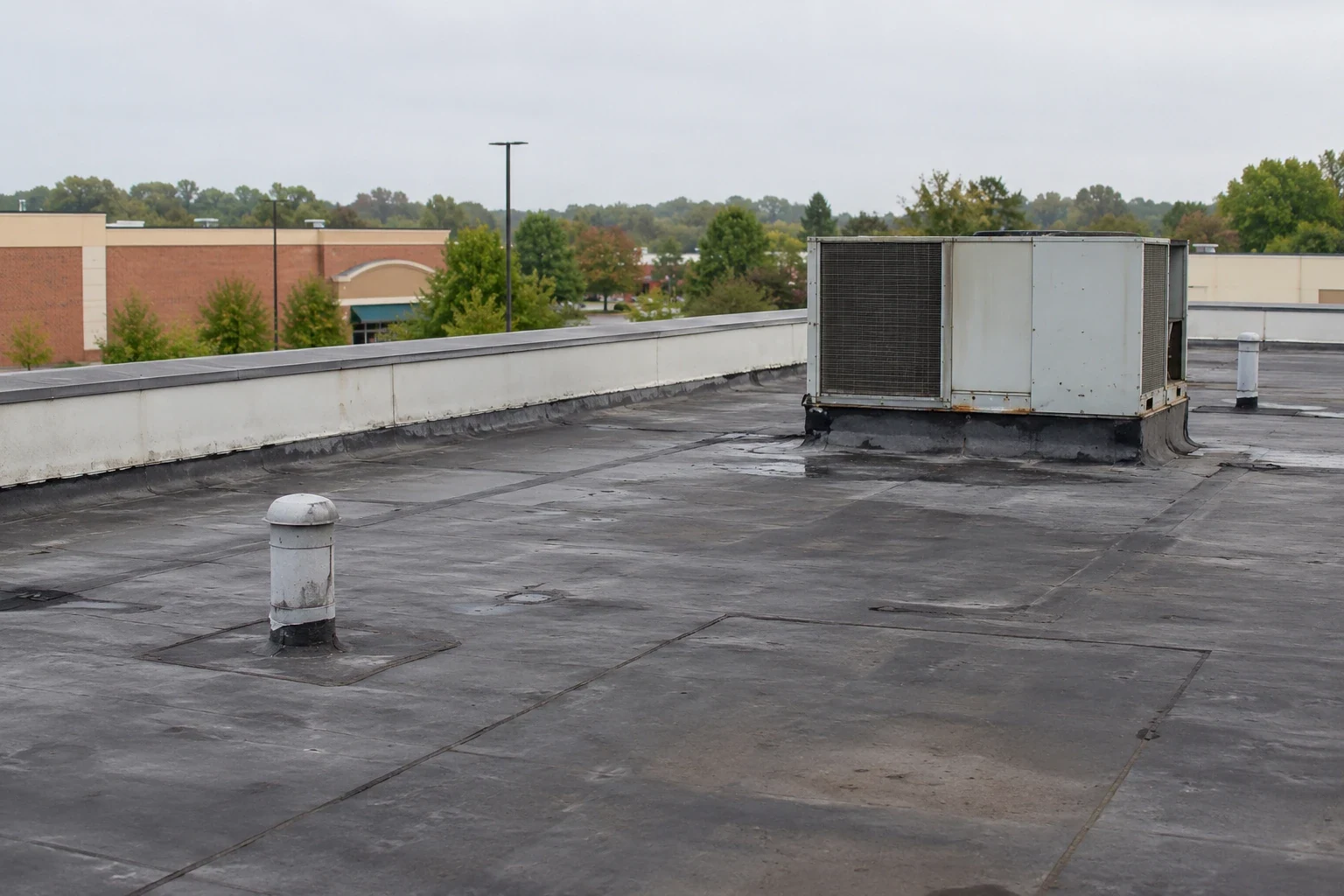
Coordinate Pueblo grocery roof work around refrigeration, food storage, deliveries, customer routes, drainage, and protected work zones.
Cooling equipment and interior temperature targets make a grocery roof leak time-sensitive, even when the first sign is a small ceiling mark. We inspect the roof assembly and map each reported issue against refrigeration equipment, loading, sales-floor routes, and rooms below. In Pueblo, CO, summer heat and winter snow change the demands on drains, membrane, and work windows. The first walk identifies what must stay operating, where an interior barrier is needed, and how the roof can be opened and closed without leaving food areas exposed.
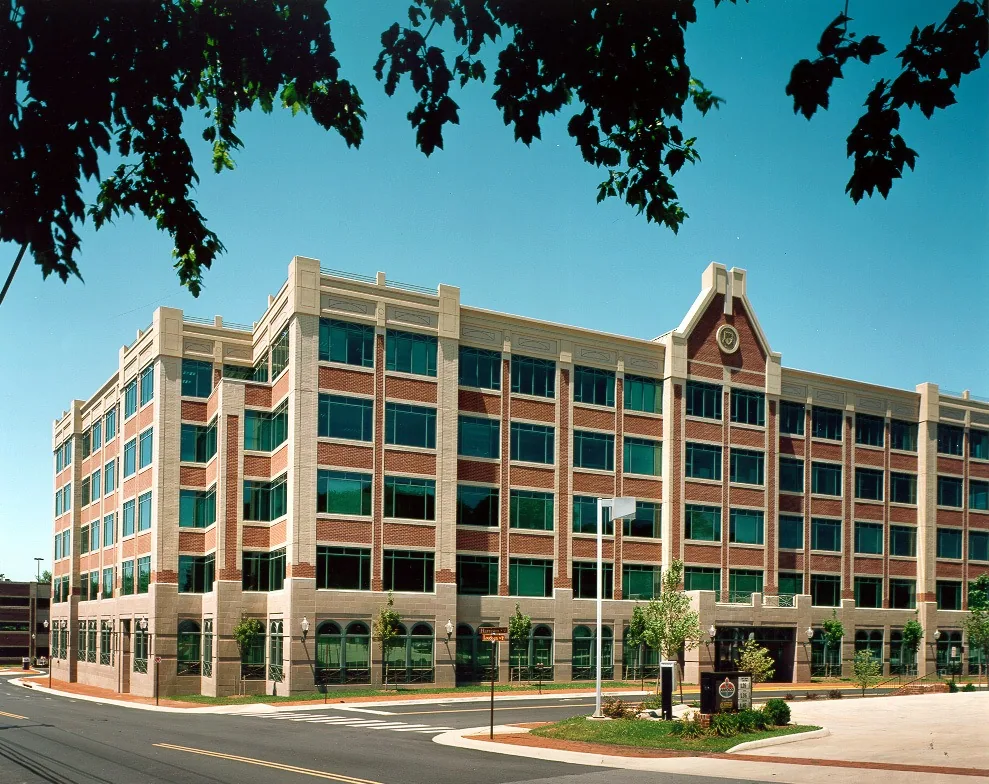
Pueblo Eastside retail area area retail is served by Transit Route 6, including stops for retailers along Dillon Drive. The route also links the retail corridor with Downtown Pueblo and the North Elizabeth Street Commercial Corridor. Those facts provide local context for customer and delivery access; they do not identify a particular store's equipment or roof system. We confirm the actual receiving door, truck schedule, refrigeration layout, and customer entrance with the store manager. That information shapes the staging plan so roofing materials and waste do not conflict with grocery deliveries or the routes used by shoppers.
Which refrigeration details need roof access?
We inspect roof curbs, refrigerant lines, electrical penetrations, exhaust, seams, and flashing near refrigeration equipment. The store's mechanical contact identifies units that must remain online, service routes that cannot be blocked, and any window when equipment can be isolated. Roof work around a cooler or freezer should preserve curb height and drainage so the new tie-in does not create a water path around the equipment.
We also trace leaks to the roof instead of assuming a ceiling drip comes from the unit directly above. Water can move through insulation or along a deck before reaching a sales or storage area. A roof condition inspection maps visible problems; leak investigation follows an active report through seams, drains, and penetrations. If moisture testing is needed, the owner approves the location and restoration detail before an opening is made near temperature-controlled inventory.
How can the store keep food and customers protected?
Before tear-off, the store identifies refrigerated cases, dry goods, preparation areas, receiving, and customer routes below the work zone. We plan dust and debris control, interior barriers, and any brief room closure with the facility lead. Roofing material and tools stay out of food handling areas, and the waste route avoids passing through receiving or customer spaces. Any site-specific food-safety procedure comes from the store, and the crew follows it as part of the agreed access plan.
Store hours and delivery windows help choose when to make noise or close a parking row. A phased work sequence can divide roof zones and mark how each area returns to service. We coordinate signs, barriers, lift locations, and worker access before arrival. If an unexpected condition extends beyond the approved zone, the crew stops, protects the opening, and coordinates with the store contact before another part of the sales or storage area is affected.
What should be checked around drains and low areas?
Grocery roofs may have drains, scuppers, overflow paths, curbs, and low areas serving different parts of the building. We check strainers, flashing, ponding, and the route water takes to an outlet. Pueblo averages 28.3 inches of seasonal snowfall; snowmelt and freeze-thaw make drain access and roof transitions useful seasonal checks. The roof's actual slope, outlet condition, and forecast still determine what work is needed for a particular store.
A blocked outlet can be cleaned, while a low area or failed drain connection may need slope or membrane work. We measure each condition and keep quantities separate from the roofing surface so the proposal does not treat a coating or patch as a drainage correction. A drainage repair can address the outlet detail. For a larger retail building, big-box roofing shares customer and loading coordination, while cold-storage roofing involves additional temperature and vapor-control details. Each grocery assembly is confirmed in the field.
How can owners compare a patch with replacement?
We identify the membrane, insulation, deck, attachment, moisture condition, and number of failures before comparing repair, recover, and replacement. A localized flashing or seam defect can be corrected when adjacent materials remain sound. Repeated leaks, wet insulation, or deterioration across multiple zones may call for a broader project. The scope marks which areas are included, how hidden deck conditions are handled, and what equipment or inventory needs protection during each phase.
Grocery facilities may need several roof details completed during one limited shutdown, so curb, drain, edge, and field membrane work should be sequenced together. A curb and support review can coordinate refrigeration changes. If full renewal is required, a replacement plan lays out removal, insulation, membrane, drainage, and closeout requirements. We compare those quantities with the repairs needed to keep the store operating, then identify where future work might be staged without mixing it into today's authorization.
Before mobilization, the owner and roofer can map work windows around receiving, refrigeration service, and customer access. That schedule should identify which roof zones can be isolated, where materials will be staged, and who will protect coolers or stock if an opening is exposed. If inspection reveals concealed wet insulation or deck deterioration, document the affected area and price that added scope for approval before expanding the authorized work. This keeps a localized repair decision separate from an unplanned capital replacement.
What should store facilities retain after roof work?
Closeout should show repaired roof zones, curb and penetration details, drainage work, photographs, material information, and any area excluded from the contract. We verify that rooftop service routes are clear and that interior barriers or parking restrictions are removed. If a test opening found wet insulation, the report identifies the location and repair rather than leaving the facility with a general note that the roof was inspected.
Maintenance visits can check drains, seams, curbs, and roof traffic after refrigeration or electrical trades return. For multiple sites, each store's roof record should remain tied to its own equipment and access map. Bring store hours, delivery schedules, refrigeration service routes, leak history, and roof plans to a Pueblo walk. We will define a protected work zone and leave the store manager with a closeout that explains which areas are ready for normal service and what needs another review.
Commercial Roofing Questions
Can a grocery store stay open while roof repairs are underway?
Work can be phased when the customer route, food-area protection, equipment access, and weather window are manageable. We coordinate noisy work and deliveries around store hours, then close each roof opening before leaving. A sensitive area may need a temporary interior barrier or an approved closure while its roof zone is repaired.
Will refrigeration equipment need to shut down?
The store's mechanical contact identifies which units can be isolated and which must remain available. We plan curb flashing and roof access around that operating requirement. If equipment shutdown or restart is necessary, the responsible refrigeration trade handles that work and confirms the window before roofing begins near the unit.
How do you protect inventory below a roof opening?
The store identifies temperature-controlled and food-handling areas under each work zone. We plan interior protection, debris control, and a secure temporary cover before removing material. If a concealed condition extends the opening, work pauses until the facility lead reviews the added protection and approves the revised boundary.
What if a drain is blocked above a walk-in cooler?
We clear and inspect the outlet, then check the membrane and flashing around the drain to see whether the blockage is the only issue. If water has entered the assembly, we document the affected zone and protect the cooler area. The repair scope separates drain cleaning from any insulation or membrane replacement.
Plan roof repairs around refrigeration and receiving
Share the refrigeration layout, store hours, delivery calendar, roof plans, and leak locations. We will define the roof zone, product protection, and equipment access plan with the store team.
Call 555-555-5555 or email [email protected].