Home / Industries We Serve / Public Agencies
Commercial Roofing for Public Agencies in Pueblo, CO
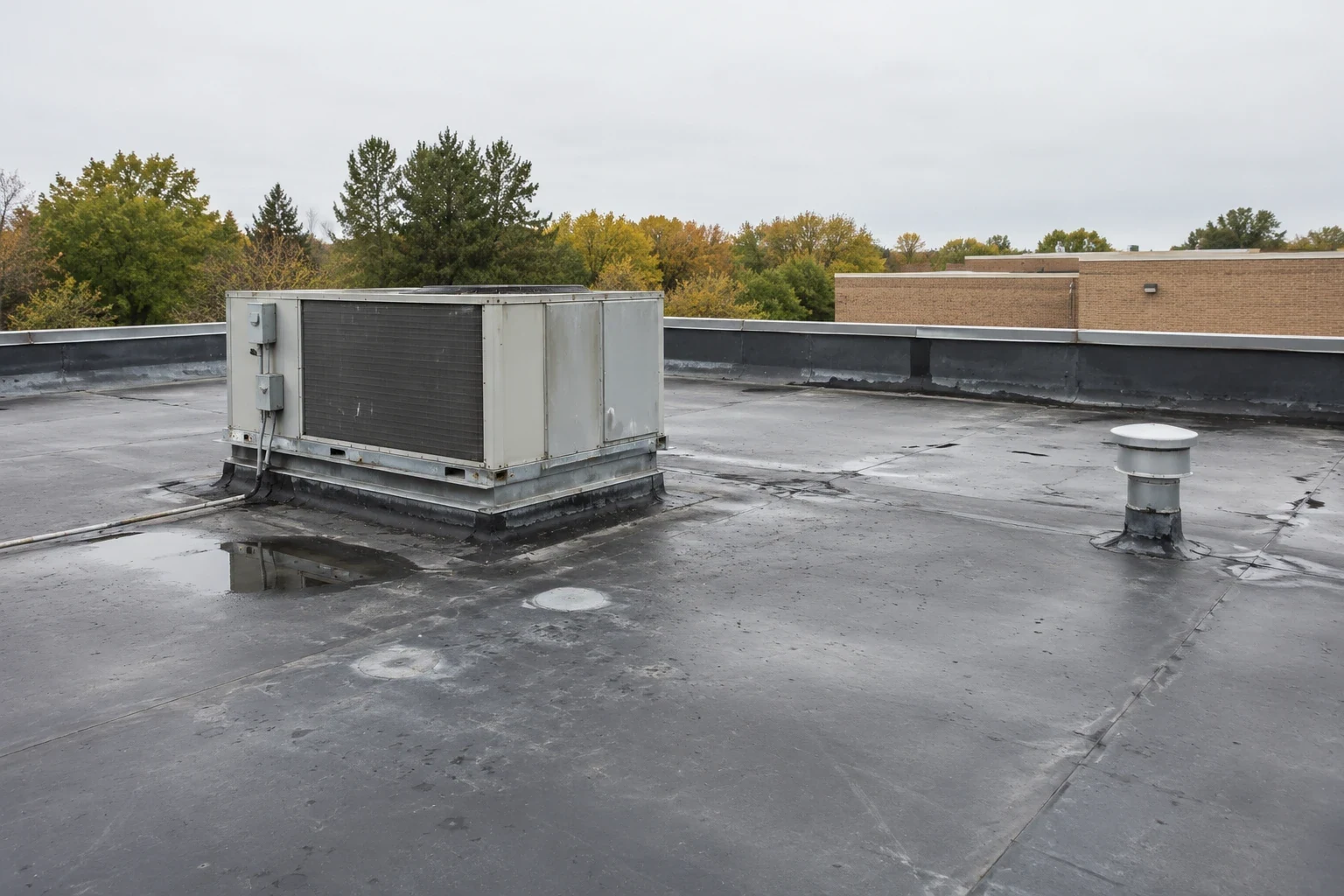
Scope municipal and county roof repair in Pueblo, CO with public access, procurement records, occupied services, code review, and clear closeout.
A public roof project must account for the building’s service hours and the approval record as well as the assembly above it. We inspect the reported zone, identify confirmed defects, and define the work boundary so an agency can review quantities, access, and closeout before crews mobilize. If a field condition changes the scope, we document its location and submit the added work for authorization rather than expanding a public work order informally.
Pueblo’s municipal and county properties sit in varied contexts. Downtown’s historic commercial district includes storefront and mixed uses, and the Colorado State Fair grounds host events throughout the year on a 100-acre South Pueblo site. Those place facts indicate why an agency’s public schedule and access needs can vary; they do not identify the roof or operating requirements of an individual facility. We confirm public hours, site contacts, delivery routes, and any approved closure notice for the actual building.
What should an agency bid scope make measurable?
Identify roof zones, existing system information, access limits, temporary protection, and the expected daily closure point. State whether the work includes tear-off, insulation, membrane, edge metal, drains, and interior protection. If roof plans are incomplete, note which items will be verified by inspection. The bid should also explain how the agency will review concealed conditions and approve any quantity change after an opening.
A condition assessment can document the visible field and help establish bid quantities. A written photo report gives the facilities contact a location-based record to compare with each proposal. For a broader capital request, replacement alternatives can separate base work from unit prices or approved options. Procurement staff can then compare the same roof boundary and assumptions instead of trying to reconcile different descriptions of the project.
For a competitive bid, the agency can identify the response format, site-walk date, question deadline, approved substitutions, and the contact authorized to issue addenda. Those procurement steps do not change the roof diagnosis, but they affect how a contractor confirms quantities and communicates a changed condition. We can state exclusions, assumptions, and unit prices in the scope so the public owner can compare responses on the same basis. Keep any security-sensitive access detail in the agency’s approved channel rather than the public bid narrative.
How can service continue while the roof is active?
Map public entrances, accessible routes, fire access, staff areas, records rooms, and scheduled deliveries against each roof zone. A lift, debris container, or material drop can change how the public reaches a counter or meeting space. The agency identifies what can close, who approves the notice, and which contact accepts daily updates. We build the work sequence around those decisions and leave each active area secure at the end of the shift.
For occupied facilities, phased reroofing can limit exposure and set interior protection. If a leak requires prompt action, a defined leak repair can address confirmed entry while a permanent scope follows the procurement process. School districts have similar public access concerns but different student controls; district roof planning can help frame that distinction. The project record should show exactly which route or room was affected, not merely say that a building remained operational.
Which local review and building conditions matter?
Permit authority and amendments should be verified for the agency’s parcel before insulation, edge attachment, or structural work is finalized. A public agency confirms which department reviews each parcel and whether its current amendments apply before bid documents are issued. We identify which assembly decisions are part of the roofing scope and which require separate design input so the agency can assign responsibility before bid award.
Downtown Pueblo’s first historic-survey phase documented 154 buildings on 149 sites, with 15 additional properties covered in a later phase. That record reflects a varied commercial district and makes site-specific observation important; it does not establish the age or construction of a public building. A Downtown Pueblo property walk can account for local street and access context. For a public building with unusual rooftop equipment, curb and support coordination can state the handoff with mechanical work without assuming which department owns that equipment.
How should agencies schedule work across the year?
Pueblo’s July average high is 93.4°F, and the mean first measurable snowfall date is November 5. Heat affects material handling, while the onset of snow season changes access and the time available to close an opening. These are planning markers; the current forecast and measured roof condition decide whether the work can proceed. We prepare temporary protection and notify the agency contact if a weather change moves a public route or work date.
After a storm, check the drain, membrane, and nearby transitions together. A drainage review can identify an obstructed outlet or a defect that needs a separate repair. A maintenance scope can schedule follow-up inspections for public buildings before seasonal weather. The agency can identify which facility should be visited first based on current leaks, planned events, and access readiness, while retaining a distinct work order and record for every property.
What makes a public roofing closeout auditable?
Closeout should identify the completed zones, materials installed, photographs accepted under agency policy, date of inspection, and conditions excluded from the work. Attach approvals for any field changes and identify whether temporary protection remains. That gives facilities, finance, and procurement staff a traceable record of what the contract delivered. A later report should be compared to the same roof zone before a new work order is issued.
Agencies coordinating tenant or investor-owned assets may also compare real estate roof capital planning, although the public procurement path and approval authority remain different. We can provide a measured next-action list for routine maintenance, additional testing, or future renewal. The record should end with the person who accepts the work and the item still requiring a decision. This keeps the closeout clear without publishing internal security instructions or protected facility information.
If funding is released in phases, identify which roof zones are included in the current contract and which remain an unfunded option. The closeout record should not suggest a future phase is approved. That distinction helps the public owner answer questions about completed work and maintain an accurate capital record.
Commercial Roofing Questions
What should a public agency include in a roof bid package?
List roof zones, assembly details if known, access rules, operating hours, protection, removal and installation requirements, and the method for approving concealed conditions. We can help define measurable alternatives and closeout items so bidders price a consistent boundary.
Can a public counter or community building stay open during reroofing?
It may when the roof work and ground route can be separated from public access. The agency approves entrance changes, notices, and restricted areas. We set the work zone, daily closure point, and update contact in the sequence before material is removed.
How should agencies handle a roof condition discovered during construction?
We document the location and visible evidence, protect the area, and submit a change for the agency’s approval. Work beyond the authorized scope waits for the required decision. This preserves the contract boundary and a clear record of the added condition.
Does PRBD review every public building in Pueblo?
A public building’s permit path depends on its parcel and reviewing authority; confirm code editions and amendments before designing the roof scope. The agency should confirm which authority reviews its parcel and what amendments apply before setting design or permit assumptions. Ownership alone does not establish the review path.
Prepare an agency roof walk and scope review
Bring operating hours, public access and notice rules, procurement requirements, prior repair records, and any roof drawings. We will document the inspected zones, measurable work, and change approval points.
Call 555-555-5555 or email [email protected].