
Home / Industries We Serve / Retail and Restaurant Chains
Commercial Roofing for Retail and Restaurant Chains in Pueblo, CO
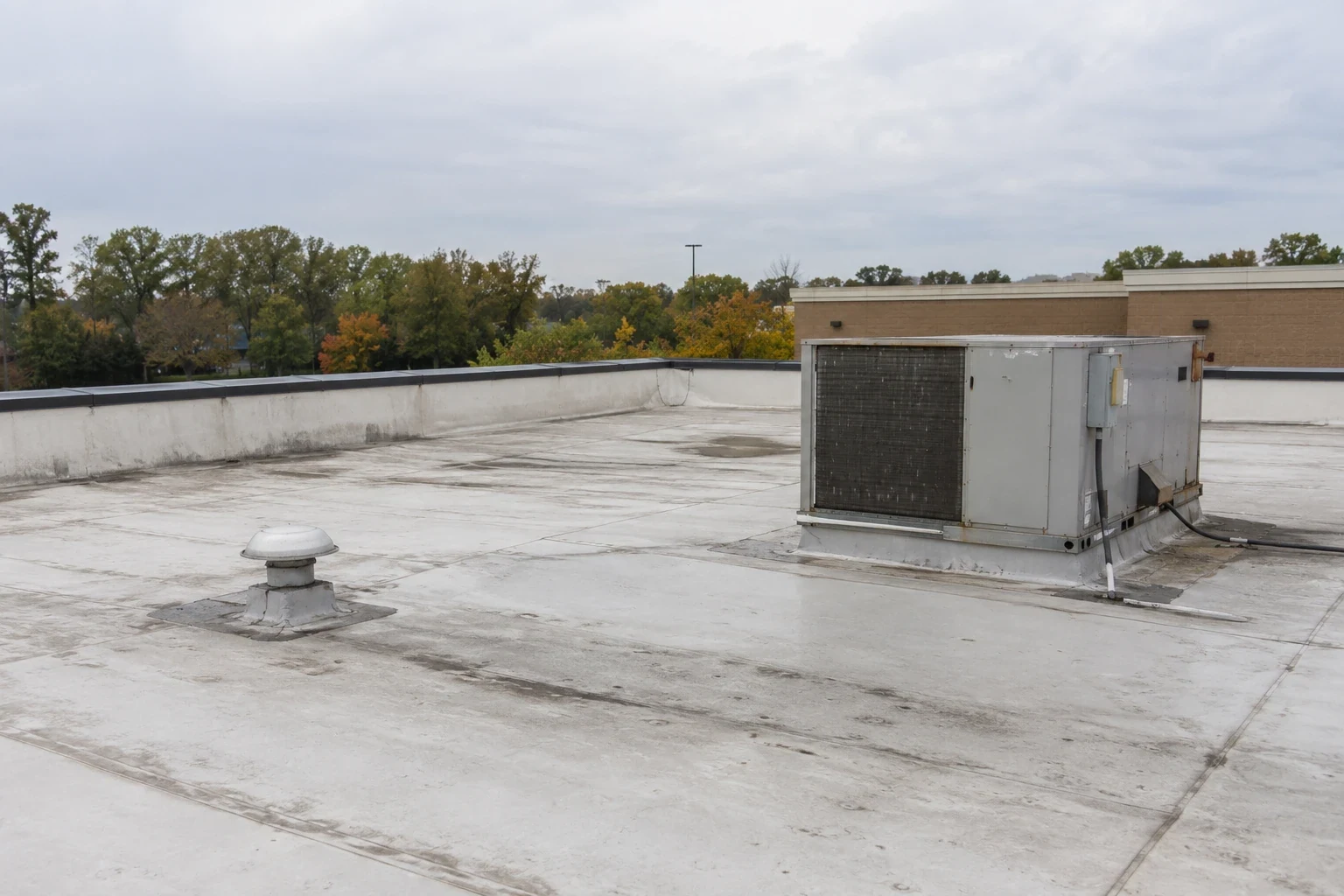
Coordinate multi-location retail and restaurant roof repairs in Pueblo with store hours, customer routes, equipment details, and consistent closeout records.
A recurring leak at one store can raise a portfolio question, but each location needs its own roof diagnosis. We inspect the reported assembly, map defects by roof zone, and separate a repair from equipment or interior work. The chain’s facilities lead can identify store hours, receiving windows, kitchen operations, customer entrances, and brand-critical spaces before we set the work boundary. A common work-order format helps compare stores without assuming they share roof materials or condition.
Pueblo Crossing Retail Center combines retail and restaurant uses. Route 6 serves the Eastside retail area and connects retail stops with Downtown and North Elizabeth. The State Fair grounds also host events throughout the year, changing activity in the South Pueblo area. These local facts describe commercial settings, not tenants or operating hours at an individual chain location. We confirm each store’s access and schedule directly before mobilizing.
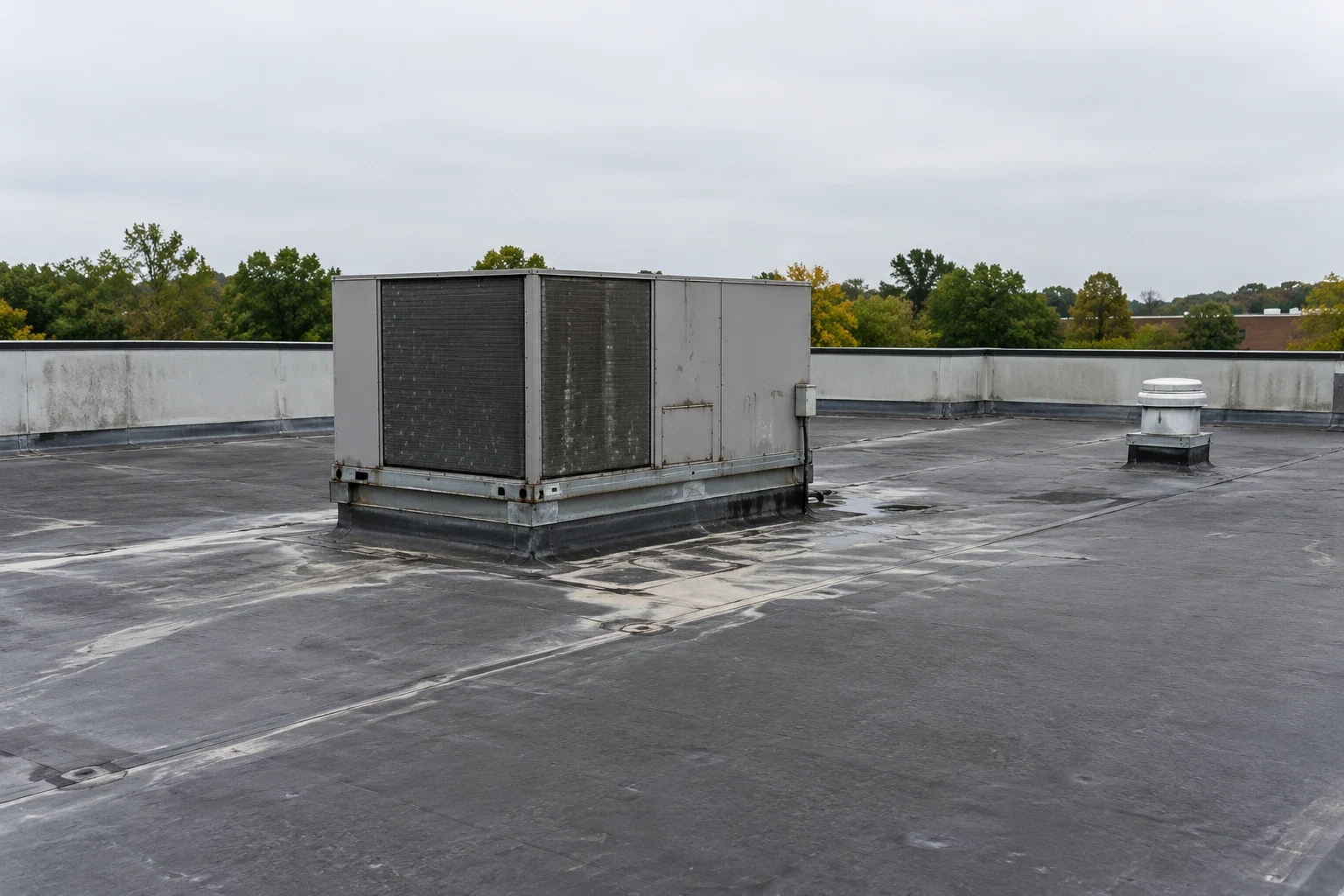
How can facilities rank calls across stores?
For each report, capture the store, interior location, time noticed, weather, active water, and any equipment changes. We inspect the likely roof zone and note whether the issue is a seam, curb, edge, drain, or concealed moisture concern. Calls can then be compared by current damage, business interruption, and the time needed to complete a safe stabilization. A store-level work order should remain distinct even when multiple locations use the same corporate form.
A roof inspection can establish the assembly and visible condition at each address. If water is entering now, a rapid stabilization can protect the interior before a permanent repair is approved. The chain can keep its escalation rules, while the roof scope identifies what is confirmed and which follow-up is still needed. That gives national or regional facilities staff a consistent record without turning a single store’s findings into a regional conclusion.
At restaurants, sequence roof and kitchen work by penetration and shift. If an exhaust fan or make-up air unit will be serviced, assign responsibility for curb removal, temporary cover, flashing, and final testing before either trade begins. At retail stores, identify who can move merchandise or close the aisle below an active roof zone. These details help the regional team price a scope that reflects actual operating impacts instead of applying one national schedule to every Pueblo location.
What store functions shape the work window?
For retail, customer doors, accessible routes, checkout areas, and merchandising deliveries may control where crews stage. Restaurant sites add food receiving, exhaust systems, kitchen shifts, and dining periods. We check whether a lift, debris container, or temporary fence changes a parking area or tenant route. The local manager confirms which areas can close and what notice is required, while the chain’s facilities team approves any change to the standard access plan.
Phased occupied-site work can place noisy removal and material drops outside the busiest hours when the roof conditions allow. If exhaust or HVAC work will disturb a curb, equipment support coordination keeps the roofing tie-in visible. Storefront areas at Pueblo Crossing Retail Center and retailers across the Eastside Pueblo area illustrate different local traffic patterns, but actual receiving routes and tenant obligations must be checked at each property. One chain’s sites may not share the same loading or roof access.
How should a chain compare repair with replacement?
A repair may be the right call for one confirmed seam, flashing, or drain defect when surrounding materials remain sound. Repeated failures across sections, widespread wet insulation, or aging transitions can make larger renewal worth comparing. We record the roof type and included area at each site so a pricing matrix does not treat different assemblies as equivalent. Where access or store-hour restrictions change cost, state that separately.
A targeted repair scope can define the detail and work limit. A replacement proposal can show tear-off, insulation, membrane, equipment resets, and hours needed by location. Owners can compare base work and alternates consistently while each store keeps its own measured quantities. The chain may use preferred materials or detail standards, but those requirements should be evaluated against the actual existing roof and permit review before work is committed.
How do Pueblo conditions affect chain scheduling?
Pueblo’s long hot season and snowfall cycle affect when materials can be handled and how drains perform after a melt. Pueblo’s July average high is 93.4°F; roof-surface temperature and the current forecast set each shift’s work window. We limit open areas to what can be secured before work stops and tell the manager when weather changes a store’s access plan.
During event periods near the Colorado State Fair district, confirm parking, deliveries, and customer movement with the property manager before reserving staging space. The State Fair area hosts activity beyond the annual fair, but it does not determine conditions at a nearby store. A drainage check can establish whether a slow outlet or membrane detail is involved after precipitation. The chain’s store calendar and the local property rules together determine the work window.
What belongs in the regional facilities dashboard?
Record the store, roof zone, observed condition, completed work, material, photographs, remaining exclusions, and next review date. Keep a temporary patch separate from a permanent repair and note whether interior restoration sits outside the roofer’s scope. These fields let facilities staff search for similar failures without assuming the next building has the same assembly. The local manager should have the access and closeout note needed for day-to-day follow-up.
A maintenance schedule can check repaired seams, curbs, and outlets across participating stores. When a chain uses third-party site operators, property management teams can coordinate access while corporate facilities retains its approval requirements. For stores relying on fulfillment centers, distribution coordination has separate dock and yard questions. We close each roofing work order with a clear action and evidence so the dashboard reflects the property actually inspected.
For a quarterly review, keep the date a location was inspected next to its current roof status and approved work amount. If a location closes or changes operators, update the access contact before dispatching a crew. The district-level dashboard is useful only when its site details remain current and each open item has an owner.
Commercial Roofing Questions
Can a chain schedule roof work before opening or after closing?
That is possible when crew access, lighting, weather, noise, and the repair method allow a safe shift. We confirm each store’s receiving and cleaning periods, then define a dry-in point. Some work may need daylight or a longer closure, so the scope should state the actual schedule instead of promising an overnight finish.
How should regional staff handle recurring leaks at different stores?
Compare inspection records and roof assemblies first, then see whether the same detail or failure appears across locations. We keep findings property-specific and identify which similarities are verified. A recurring pattern may justify a broader inspection, but does not prove every store needs the same repair.
What should a local manager do before the roofing crew arrives?
Confirm the approved entrance, receiving window, staging area, affected customer route, and contact for a field change. Corporate or property staff should communicate any store-hour adjustment. We share the work zone and protection plan in advance so staff can prepare the relevant area.
How can a chain compare proposals from different stores?
Use a common form for roof system, included zone, quantity, access window, materials, exclusions, and closeout. We can keep those fields consistent while detailing each store’s actual assembly and measured work. That makes pricing comparable without treating different conditions as identical.

Build a store-by-store roof work list
Share the location roster, operating schedules, leak reports, equipment changes, and prior roof records. We will inspect each site and return a comparable scope with property-specific limits.
Call 555-555-5555 or email [email protected].