
Home / Industries We Serve / Insurance Restoration
Commercial Roofing for Insurance Restoration in Pueblo, CO
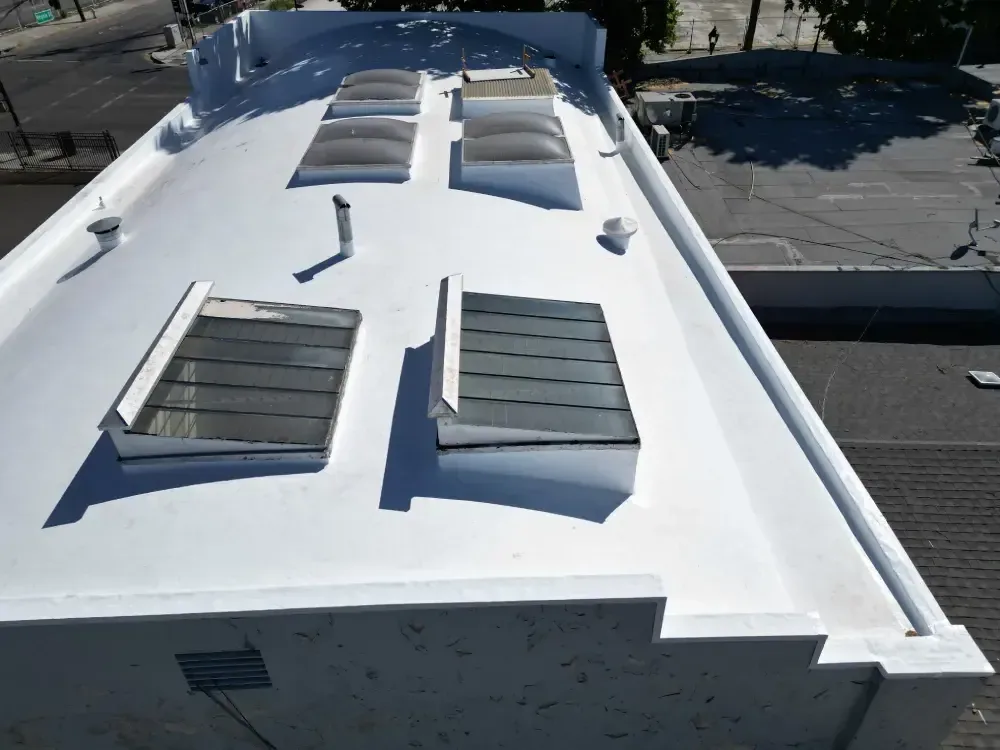
Document commercial roof damage in Pueblo, CO with dated inspections, scoped repairs, photographs, and a clear boundary between observed damage and other work.
After a storm, the first roof visit should separate observable damage from the repair decision. We inspect the assembly, note the affected roof zones, photograph relevant conditions, and identify any immediate protection needed. The property owner or restoration lead can then use that information to plan next steps. We document roof conditions and measured work; the owner and insurer handle coverage, payment, and claim decisions.
Hail and tornado activity occurs across southeast and south-central Colorado. Pueblo’s settings range from rail-served St. Charles Industrial Park to Downtown’s historic commercial district, where access and roof details differ. After a reported event, we inspect the property, compare the owner’s report with visible roof conditions, and define repairs from the findings.
What should the first damage inspection record?
Record the date of the report, areas affected, weather or event information supplied by the owner, and any active interior water. Inspect seams, edges, penetrations, curbs, drains, and roof surfaces for observable changes. Compare those findings with previous repairs when records are available. A stain or puncture may have another cause, so report what is confirmed and identify what requires testing rather than attributing every condition to one event.
A storm-damage inspection can document wind, hail, or debris-related roof conditions. Where moisture beneath the membrane is suspected, infrared screening may help locate areas for verification when roof and weather conditions support the method. Thermal patterns can direct follow-up; an approved test opening is needed to confirm hidden layers, and an inspection does not assign event cause from temperature alone. A photo condition report can organize images and findings for the owner’s file, with each observation tied to a roof zone and date.
For each observation, identify whether the roof condition is visible, measured, or inferred from related evidence. Note the material, location, extent, and photographs that support the proposed repair. If a suspected wet area requires a test cut or another survey, state that next step separately from an assumed quantity. The owner can then decide which information to send to the carrier and which work to authorize, while the restoration team maintains a clear timeline from event report to inspection.
How should active water entry be handled?
If water is entering, first protect the affected interior and identify whether safe roof access is available. We can stabilize a confirmed opening or failing detail, then record what the temporary work does and does not address. A tarped or patched area should not be presented as permanent restoration if the assembly still needs repair. The owner should track interior impacts separately from the roof condition.
Emergency stabilization can reduce ongoing exposure while a complete inspection is arranged. If the damage appears to involve hail or wind, hail-related roof review or wind damage inspection can focus on the relevant details. We describe the visible condition and measured work without promising that an insurer will accept a claim. The property team remains responsible for submitting materials under its policy and following the carrier’s instructions.
How should restoration scope be separated from other repairs?
Identify the roof damage that can be tied to the reported event, any pre-existing deterioration, and any maintenance issue found during the walk. A wind-lifted edge detail may need a different repair from a split seam, blocked drain, or aged membrane. We show the work boundary, quantity, compatible material, and any condition that remains uncertain. This helps the owner compare a limited repair with a broader project without folding unrelated renewal into the event scope.
A claim documentation scope can organize roof observations, repair recommendations, and photographs. A separate repair estimate should state labor and material scope with its own limits. If multiple sections need renewal, replacement may be a separate capital option. Restoration contractors can compare roof documentation with property manager work orders and asset-level capital records while retaining each building’s date, roof zone, and approval trail.
When a repair includes removal, specify the substrate review, temporary dry-in, and final tie-in that will be inspected. If the owner asks for pricing on pre-existing wear at the same time, keep that alternative outside the event-related scope. Separate line items make it easier to review the roof work while preserving the difference between a condition found during inspection and a cause that the contractor cannot establish from appearance alone.
What Pueblo details matter after severe weather?
Pueblo’s average first measurable snowfall date is November 5 and the mean last date is April 13. A storm or melt may expose loose flashing, a damaged seam, or a slow outlet, but the roof must be inspected before attributing the condition. Note whether water remains at a drain and whether nearby material is displaced or simply aged. The current forecast determines when a crew can open an area and install a repair.
St. Charles Industrial Park has rail and I-25 access, while airport industrial sites connect to US 50 and taxiways. The site contact sets the gate, delivery route, and staging limits before crews mobilize. Before specifying insulation, attachment, or drainage changes, determine which building department reviews the parcel. Keep claim materials tied to the owner’s policy and observed roof conditions.
What should the owner keep in the claim file?
Keep the date and location of each roof inspection, annotated photographs, observed conditions, temporary protection, measured repair scope, and any follow-up test. Label pre-existing or unrelated conditions separately when the evidence supports that distinction. If a roof opening reveals a different assembly, photograph and record it before changing quantities. The closeout should state what was completed, what remains open, and the person who authorized any added work.
For a hospitality or retail property, guest-operations coordination or store operations coordination can provide the access calendar while the owner manages claim communication. We can issue roofing observations and invoices for the work performed, but we do not decide coverage or negotiate policy terms. A future maintenance inspection can record later roof conditions under a separate visit. That preserves a usable timeline for the facility and keeps the restoration scope tied to documented roof work.
After work, add the date of stabilization, permanent repair, and any later inspection to the file. Keep invoices tied to the performed scope and note whether a condition remains for the owner to address. If another storm occurs, a new dated inspection can distinguish the later roof condition from the earlier repair record.
Commercial Roofing Questions
Does a roof damage report mean the claim will be covered?
No. The report documents observed roof conditions and a proposed roofing scope. Coverage decisions belong to the insurer under the policy. We can provide photographs, inspection findings, and repair details for the owner’s file without predicting the claim result.
How soon should a commercial roof be inspected after a storm?
Arrange an inspection when safe access and weather allow, especially if water is entering or material has shifted. Record the date and affected area, then protect the interior as needed. We document the roof findings and distinguish any immediate stabilization from permanent repair.
Can pre-existing roof conditions be separated from storm damage?
We can describe visible conditions, prior patches, and evidence that appears related or unrelated to the reported event. Some causes remain uncertain without testing or records. The report should state its limits and avoid assigning a cause beyond what the inspection supports.
What should a restoration contractor provide to the roofer?
Share event timing, interior reports, roof access rules, prior repairs, policy or claim deadlines supplied by the owner, and any inspection instructions. We can then coordinate the roof walk and provide dated observations and a measured work boundary for the property file.

Arrange a documented commercial roof inspection
Share the reported event date, interior locations, access rules, previous repair records, and any owner-provided claim deadlines. We will inspect the roof and document observed conditions and scope limits.
Call 555-555-5555 or email [email protected].