
Home / Roof Damage Repair / Commercial Hail Damage Roof Repair
Commercial Hail Damage Roof Repair in Pueblo, CO
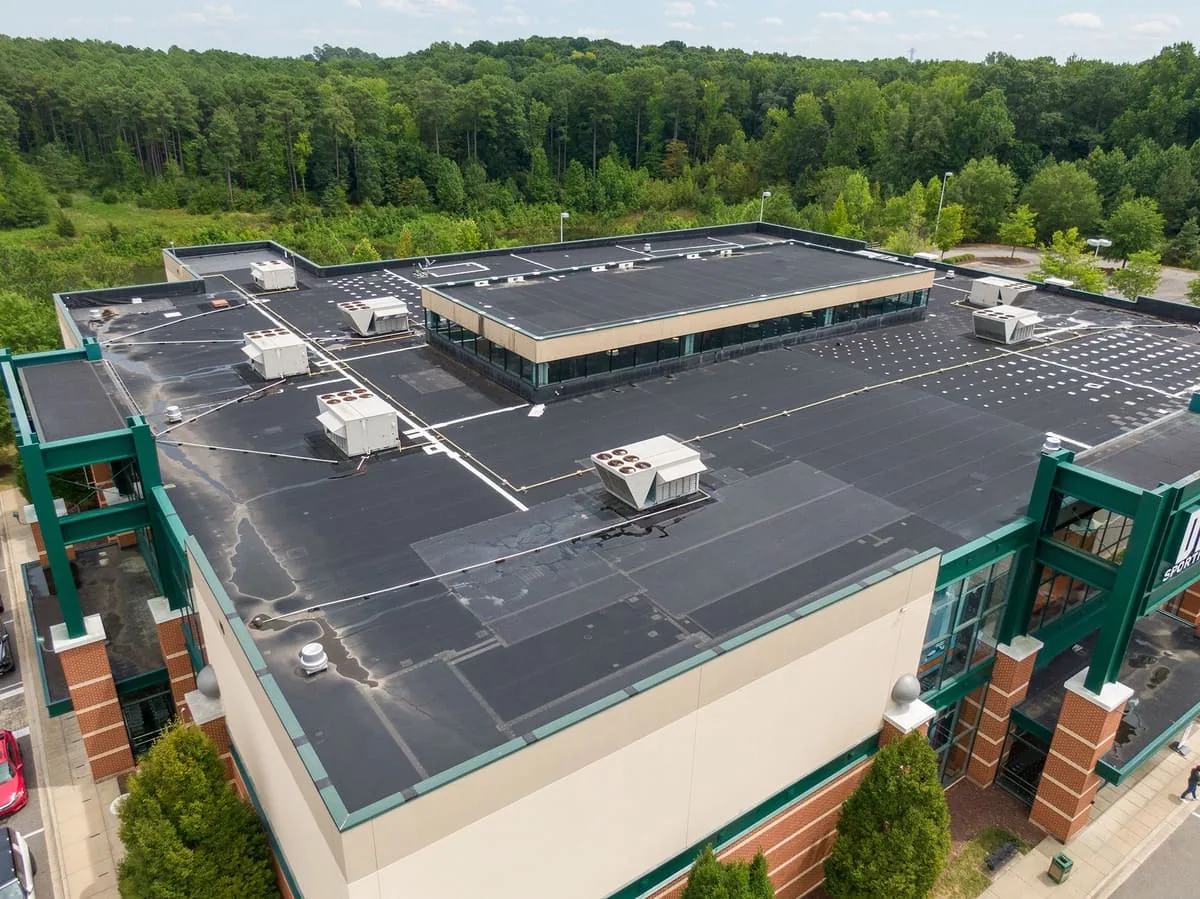
Inspect and repair possible commercial hail damage in Pueblo, CO with roof-zone photographs, a defined repair scope, and evidence-based findings.
After hail is reported, the first roof walk should separate impact evidence from wear that was already present. We inspect the membrane, metal edges, rooftop equipment, skylights, and penetrations, then photograph each condition by roof zone. A dent, scuff, or granule loss can have different implications depending on the material and its function. We document what the surface shows and avoid assigning a cause where the evidence does not support it.
Hail and severe weather occur across south-central and southeast Colorado, but a regional event does not establish damage at a specific property. After a reported hail event, we inspect the roof’s field surface, seams, edges, and penetrations before describing damage. Pueblo’s industrial areas, retail properties, and public facilities also have different roof assemblies and access needs. We verify the property’s construction and event information directly before defining temporary protection or permanent repair.
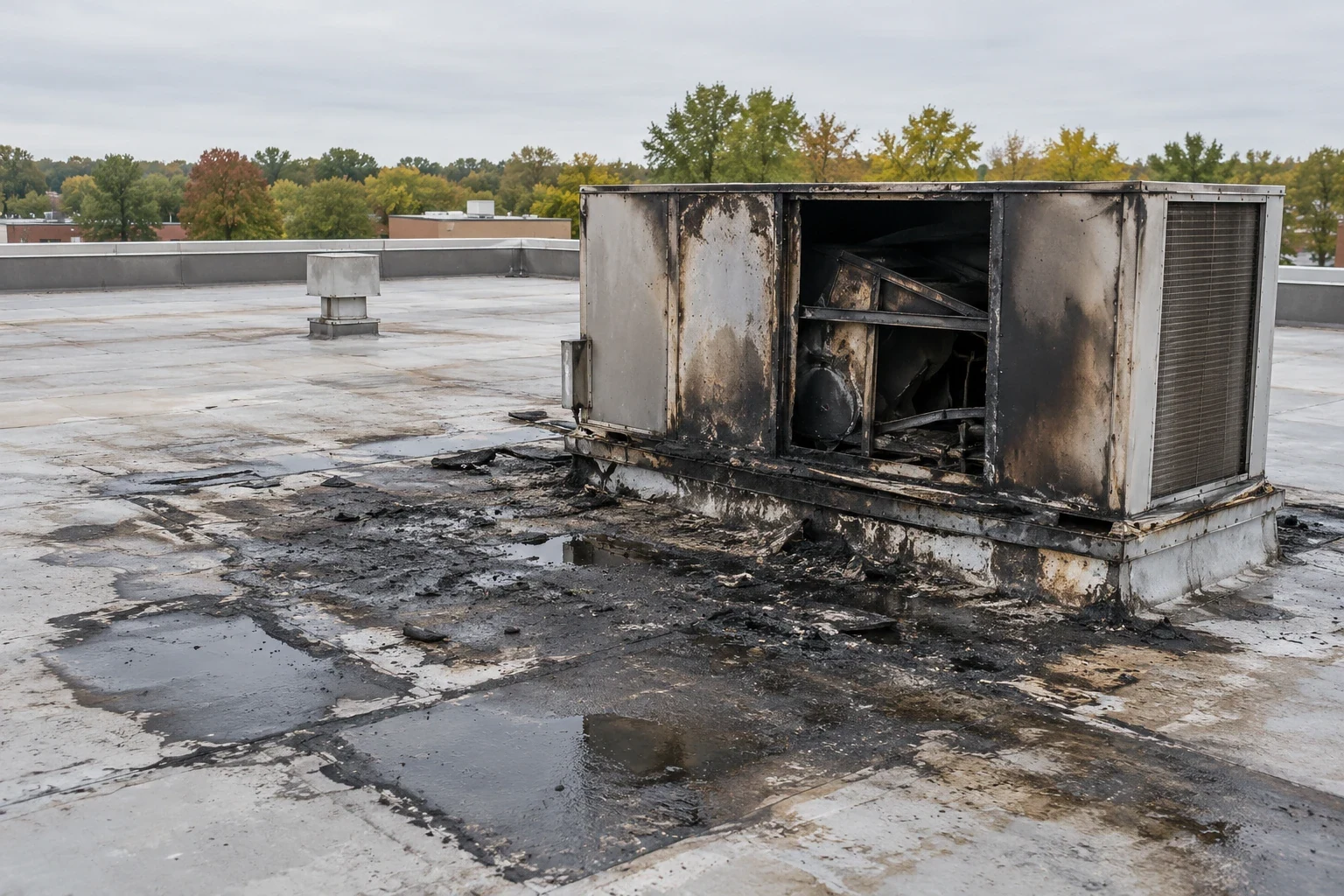
Which impacts affect roof performance?
Inspect soft metal, membrane surfaces, seams, edge details, skylight frames, pipe boots, and rooftop equipment for fresh marks or displaced components. On some assemblies, an impact can bruise insulation or fracture a cover board without creating a visible hole. On others, a surface mark may not affect water control. We record the material, location, size, and surrounding condition so the owner can distinguish a functional defect from a cosmetic observation.
A roof inspection can map the reported event area and identify prior patches or aged surfaces. If concealed moisture is a concern, infrared screening may help choose locations for follow-up when conditions support that method. Thermal imaging can identify temperature patterns for follow-up; close inspection confirms the roof surface and any impact damage. We correlate it with visual findings and confirm the assembly where additional testing is warranted.
Look for impact patterns but do not assume every roof plane received the same exposure. Parapets, equipment screens, and building orientation can change what is visible. Photograph representative areas and any suspected functional damage at close range with a scale reference. If the inspection occurs after prior repair or maintenance, note those records so a preexisting condition is not silently attributed to the event.
How do impact findings become a repair boundary?
When a membrane is punctured or a flashing detail has opened, measure the affected area and identify the sound material that can receive the tie-in. A puncture repair addresses a confirmed opening. If seams have separated, a seam-failure review measures the lap beyond the visible impact. Where water is entering, leak investigation follows the roof zone and interior report rather than presuming the nearest mark is the source.
Some roofs need temporary protection while the larger review proceeds. Emergency stabilization can secure an active opening or loose detail, with a separate record of what the temporary work does not restore. If the inspection finds broad membrane failure, saturated insulation, or repeated functional damage, a replacement comparison may be useful. The comparison should rely on observed conditions and measured areas, not the storm report alone.
Keep unrelated maintenance items outside the event repair scope. A clogged drain, old sealant, or prior blister may need attention, but it should appear as a separate finding unless evidence ties it to the hail event. That distinction gives the owner a clearer decision and avoids overstating damage. The report can list confirmed repair, optional investigation, and work deferred for another budget cycle as distinct items.
What evidence helps the owner review the event?
Save the date the event was reported, the location of the property, photographs of visible roof conditions, interior observations, and prior repair records. A roof map helps connect each photograph to an inspected zone. If the owner is preparing claim documents, we can provide dated inspection findings and a measured repair proposal. We do not decide coverage or represent that a carrier will accept a claim. The record should state what was observed and what could not be confirmed.
Before material is removed, preserve a clear photo of the condition where safe and permitted. If a test opening is needed, identify its purpose and the party authorizing it. Any wet insulation or deck damage found beneath a marked impact becomes a separate measured condition. A claim documentation scope can organize photographs and repair limits without treating a regional event report as proof about the building.
Review the proposal against the roof zones actually inspected. If access restrictions prevented a complete walk, list those areas and arrange a later check if needed. A property contact can compare the repair map with interior reports and maintenance logs, then decide whether another specialist needs to evaluate equipment, glazing, or structure. Those handoffs make the roof record useful beyond the immediate storm response.
How should Pueblo weather shape the inspection?
Pueblo’s July normal reaches a mean high of 93.4°F. Use the seasonal range for planning, then check the roof temperature and moisture before opening a repair zone. We check the current forecast, surface moisture, and safe access before walking the roof. After a storm, windblown debris or standing water can conceal marks, so the inspector records conditions that limit visibility.
Rail access in St. Charles connects with the I-25 corridor; Pueblo Memorial Airport’s industrial sites sit beside US 50. These settings can involve deliveries or active operations, but a facility contact must confirm staging and access. A St. Charles-area roof walk is scheduled around the actual property’s safety rules. If repair changes an assembly or attachment detail, confirm the parcel’s permit authority and current requirements before work is priced.
When a roof cannot be walked safely, aerial imagery can direct a later hands-on inspection of seams, edges, and surface marks. Use a follow-up visit to check the reported zones once the roof is dry and access is allowed. Temporary protection should remain in place only as long as needed and should be checked after weather changes. The closeout states which surfaces were seen and which remain unconfirmed.
What should the hail inspection deliver?
The owner should receive a roof-zone map, dated photographs, descriptions of observed conditions, measured repairs, and items requiring more investigation. Identify whether marks appear functional or cosmetic based on the inspected assembly, while keeping uncertain cause separate from confirmed condition. Note temporary measures and any area not safely accessed. If a repair is completed, include before-and-after images of the tie-in and adjacent material.
Retain the report with prior roof records so later inspections can compare the same locations. For a condition that remains open, state the next check and who should coordinate access. A roof condition report can carry unresolved items into a capital plan, while the event scope remains limited to what the inspection established. Clear boundaries help the project team reconcile roofing work with interior restoration.
Bring the storm report, roof plans, photographs from safe vantage points, and any access restrictions to the roof walk. We will map the inspected area, identify active exposure, and define a repair sequence that protects the building while preserving a clear record for the owner.
Commercial Roofing Questions
Does a hail report prove my roof was damaged?
No. After a reported storm, the building’s inspection record identifies which roof details need repair. We inspect the specific property, document visible impacts, and distinguish confirmed functional damage from marks that need more testing.
Can you identify hail damage from photographs alone?
Photographs can show visible marks and help locate a roof zone, but they may not reveal bruised insulation, a failed seam, or hidden moisture. We use them with a roof walk and note any area that could not be examined.
Should repairs start before an insurance review?
Active openings may need temporary protection to prevent additional water entry. We document stabilization separately from permanent work and provide findings for the owner’s review. Coverage decisions remain with the policy and carrier.
How do you separate hail damage from age-related wear?
We compare the affected area with adjacent material, prior records, and the type of defect observed. If the cause remains uncertain, the report states the condition without assigning it to the event.

Schedule a hail-damage roof inspection
Share the reported event date, roof plan, prior repair records, safe access details, and any interior observations. We will inspect the roof zones and document confirmed conditions and repair limits.
Call 555-555-5555 or email [email protected].