
Home / Commercial Roofing Services / Commercial Roof Insurance Claim Assistance
Commercial Roof Insurance Claim Assistance in Pueblo, CO
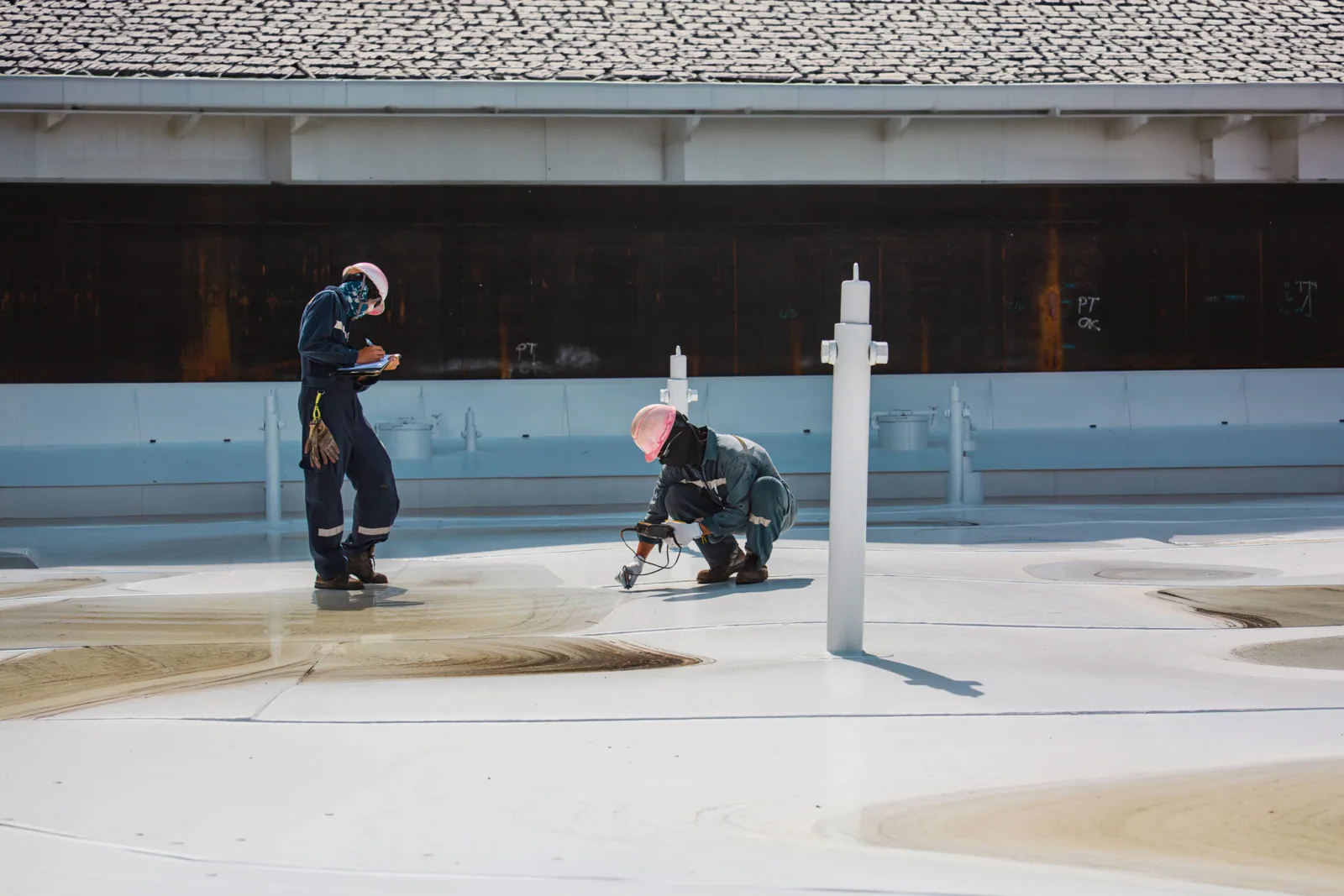
Organize commercial roof claim documentation in Pueblo with dated photos, measured repair scopes, emergency work records, and clear condition notes.
A claim file improves when roof observations match the work estimate. We document visible conditions, affected roof zones, measurements, photographs, and repair steps so a building owner has a clear contractor record to share. For Pueblo, hail, tornado, and severe-wind risk belongs in the regional weather review. A weather bulletin does not decide what happened to a specific roof. Our review ties each recommendation to observed property conditions and separates it from prior wear or unrelated maintenance.
Emergency protection may be needed before a claim review is finished. We record temporary work separately from permanent repairs and note what was visible before a cover or patch changed the surface. At St. Charles Industrial Park, manufacturing and rail access shape coordination questions; at the airport’s industrial park, site access and operations need confirmation with the facility contact. A claim file is strongest when the inspection record, repair quantities, and building access details refer to the same roof zones.
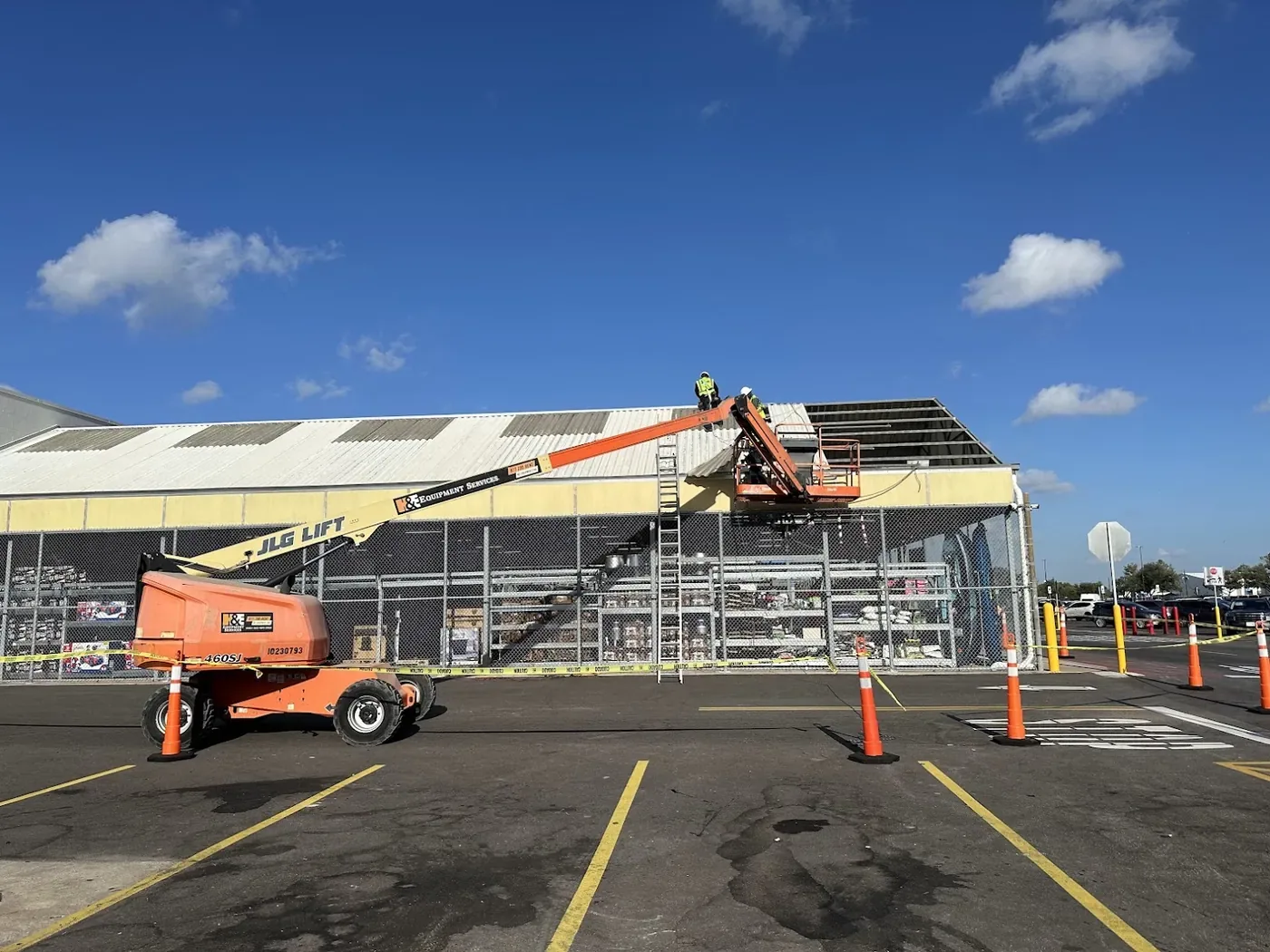
Which observations belong in the file?
We identify the roof assembly where it can be confirmed, mark visible damage by location, and photograph details from useful distances. Close views show a seam, puncture, flashing condition, or dent; wider views place that item on the roof plan. The record includes the date of inspection, weather context provided by the owner, interior reports, access restrictions, and any prior repair notes. These facts help the owner and adjuster compare the estimate with the condition being discussed.
Cause needs careful wording. A split seam, loose edge, wet insulation, or damaged skylight can be documented as an observed condition. Assigning that condition to a particular storm requires evidence, and a regional weather report alone does not establish it. We note whether an earlier repair or known leak overlaps the affected zone and keep those items distinct. Our storm-damage assessment can map roof findings, while a commercial inspection can document general conditions that are not necessarily part of the event.
How should the estimate be organized?
The repair scope should connect each quantity to a roof detail. A proposal can identify membrane removal, insulation replacement, flashing work, edge-metal repair, drain correction, and temporary protection as separate items. If concealed damage is possible, the estimate can state the assumption and the stop point where the project lead reviews an added quantity. That gives the owner a defined base scope without pretending that a visual inspection exposed the entire assembly.
We describe access, staging, disposal, protection of equipment, and any required temporary closure. A repair estimate should distinguish emergency work already completed from the permanent item proposed next. If the inspection finds extensive moisture, multiple failing zones, or substrate damage, the owner may compare localized repairs with a replacement scope. Where the roof may be eligible for retention, a recover evaluation can test that alternative. These options are described for the observed assembly, not as a promise that an insurer will include them in coverage.
What happens during adjuster coordination?
The owner controls the claim and communication with the insurer. We can explain our inspection findings, clarify measurements, and provide photographs or a contractor estimate when requested. If an adjuster or consultant schedules a joint roof walk, we can review the mapped zones and point out the details behind each repair quantity. The inspection remains focused on observable conditions; policy interpretation, coverage, and payment decisions are made by the insurer.
For an occupied building, the visit needs a roof-access contact, safe route, and time that does not interrupt critical operations. Pueblo’s industrial economy includes manufacturing, rail transportation, and distribution. The facility may need to coordinate loading schedules, equipment shutdowns, or production access before a joint inspection. A large property such as PuebloPlex can have many separate structures, so the claim file should identify each building individually. That avoids a photo or repair quantity being attributed to the wrong roof.
How do weather and timing affect documentation?
Summer heat and winter snow affect Pueblo roof access, surface temperature, and the timing of permanent repairs. We use the site forecast and observed conditions to schedule lasting work. After hail or wind, temporary protection may need to be installed before a full inspection can be completed. We photograph the original damage when safe, record the temporary measure, and later document the permanent repair without treating the two steps as one.
Changing weather may make a roof wet, icy, or unsafe to enter. If the surface cannot be reached safely, we note that limit and coordinate a return after conditions improve. At the end of a workday, we identify whether the roof has a complete dry-in and which zone remains under temporary protection. A 24/7 emergency response can address active exposure, while a leak repair visit traces ongoing water entry. Clear dates and photographs help the owner distinguish the event response from later work.
What can the owner provide to the insurer?
The contractor handoff can include the inspection map, dated photographs, observed conditions, measurement notes, estimate, and record of approved work. Keep one photo sequence with each measured line item so reviewers can follow the path from finding to proposed work. If a test cut was made, the file can show the location, materials found, and the repair that closed the opening. We label uncertainty directly, such as a roof zone not accessed or a concealed condition that needs verification. That keeps observed facts separate from assumptions and gives the owner a usable account for the next discussion.
After work, we document the installed repair, quantities, and any remaining condition that needs monitoring. If the claim requires more information, the project lead can point to the same roof-zone reference used in the original estimate. We do not determine policy coverage or advise the owner on a coverage position. Arrange a roof walk with the event date, interior report, previous repair history, and the person managing the claim available. We will map the visible findings, explain the repair scope, and provide a contractor record the owner can use in its own claim process.
Commercial Roofing Questions
Can a roofer decide whether an insurer will cover the repair?
No. We document roof conditions and explain the contractor scope, but the policy terms and coverage decision belong to the insurer. Our report can describe observed damage, measurements, photographs, and recommended repairs. The owner can use that material in its claim process, while the insurer applies its own review and policy provisions.
What should be documented before emergency protection goes on?
When it is safe, take overview and close photographs of the roof condition, note the affected interior area, and record the time and access limits. We can document the temporary cover and explain which condition it obscured. Protecting the building can take priority over preserving every image, especially during active water entry.
Can the contractor attend an adjuster roof inspection?
The owner can invite us to review our mapped findings and repair quantities during a joint walk. We coordinate roof access, provide the estimate and photographs, and explain how the proposed work connects to observed conditions. The insurer retains its own inspection and coverage process.
How are older leaks kept separate from new storm damage?
We compare repair notes, prior photographs, and the current condition by roof zone. A recurring leak or deteriorated seam is listed separately unless the inspection supports a connection to the reported event. The file can identify what is confirmed and what needs more investigation without assigning a cause prematurely.
Build the claim record from roof findings
Bring the event date, prior repair file, interior reports, and claim contact to the inspection. We will map observed conditions, measure the contractor scope, and document temporary and permanent work separately.
Call 555-555-5555 or email [email protected].