
Home / Industries We Serve / Hospitality Groups
Commercial Roofing for Hospitality Groups in Pueblo, CO
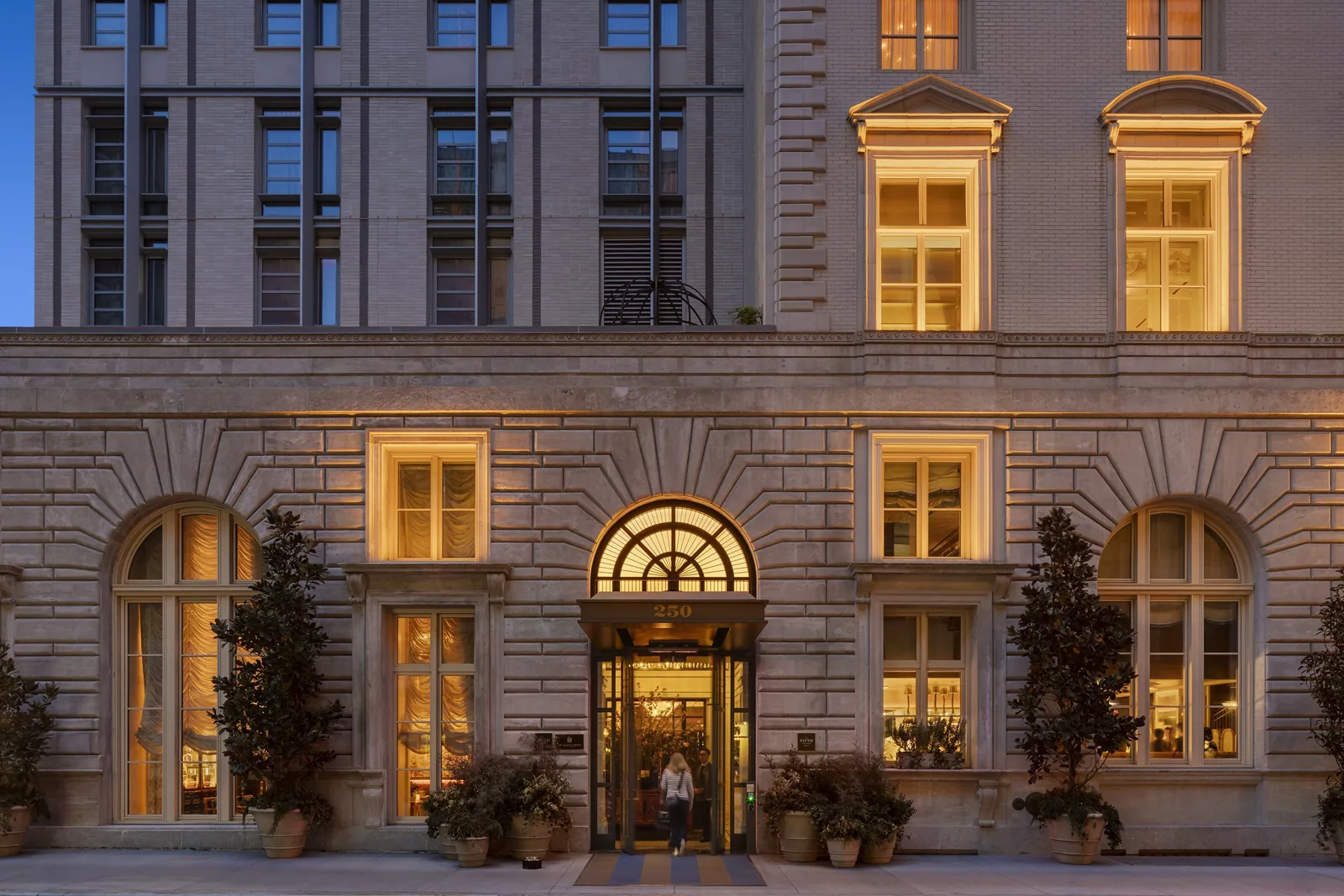
Manage hotel roof repairs in Pueblo with property inspections, guest protection, event scheduling, equipment coordination, and clear asset records.
A lodging portfolio needs a roof record that distinguishes a room complaint from a confirmed roof defect. We inspect the likely zone, trace the roof transition, and coordinate the work with facilities staff before a room, lobby, kitchen, or event space is affected. Every hotel has its own assembly and access rules, so we keep findings at the property level while using comparable labels for asset review.
Downtown Pueblo includes historic storefronts and mixed-use buildings, while the Colorado State Fair grounds host concerts, exhibits, agricultural events, and other activity throughout the year. Those facts can inform local event and access conversations, but they do not establish occupancy or operating hours at any hotel. We confirm the property calendar, loading arrangements, guest routes, staff entrances, and rooftop equipment before setting a work sequence. For groups with multiple locations, that information helps identify which site can accept work when weather or guest schedules change.
How can a group distinguish a room report from roof evidence?
Record the room, floor, date, weather, and whether the condition changed after precipitation. We compare that information with roof slope, drains, wall details, curbs, skylights, and previous repairs. Water can travel before reaching a guest space, and a mark may have an interior or mechanical cause. The inspection describes what the roof shows and what remains uncertain, without treating the guest report as proof of a system-wide failure.
A condition inspection can map visible defects and tie them to the property’s roof zones. If water is active, a focused repair can address the confirmed detail while operations manage the affected room. Groups may compare findings through asset-level capital planning, but the repair diagnosis should remain specific to the building. This gives ownership comparable information without assuming that a failure at one location appears throughout the portfolio.
Which hotel functions need a protected work plan?
Identify guest arrival and departure periods, housekeeping, food service, conferences, and any planned event before selecting an access window. A crane or material drop can alter the main entrance, a valet lane, or an employee route even when the active roof is above a back-of-house area. The facilities contact confirms which path can close and who updates the front desk. The scope should show where temporary protection is needed and when the area can return to service.
Occupied-building phasing can set manageable work zones, daily dry-in, and a staff handoff. If mechanical service will touch an exhaust or HVAC curb, align the roof detail with the vendor’s visit before closing the membrane. Groups operating properties near the State Fair and Events Center district can use its year-round event context when reviewing nearby scheduling constraints, but the hotel’s event calendar and access arrangements must be confirmed directly. For distribution or linen deliveries, logistics coordination can address yard and loading needs distinct from guest circulation.
Groups can reserve a low-occupancy period for noisy work, but room availability alone does not identify a safe roofing window. The engineer or facilities lead confirms roof access, the forecast, and whether materials can arrive without crossing guest areas. Record any temporary entrance or parking change before issuing staff instructions, and set a time for removing barricades once the crew has closed the zone. This preserves guest flow and gives the operations team a clear condition to verify.
How should owners compare a patch with a capital project?
A localized flashing defect may be repaired if the surrounding roof can accept a sound tie-in. Multiple failures above unrelated rooms, repeated wet insulation, unstable deck, or deteriorated drainage can call for broader renewal. We inspect the material, attachment, penetrations, edge, and moisture indicators, then measure the work area. If a coating or overlay is considered, confirm substrate and existing layers first; a surface treatment cannot resolve a failed deck.
A replacement proposal can state tear-off limits, insulation, membrane, equipment details, and the order of guest-facing work. The group can compare it with a recover option only when inspection supports that approach. We separate roof repair from room finish work and identify how concealed conditions will be priced and approved. A property manager can then explain the operational effect without implying that the hotel must close beyond the areas actually involved.
How should Pueblo’s calendar affect roofing plans?
Pueblo’s average seasonal snowfall is 28.3 inches, and the mean first measurable snowfall date is November 5. Those seasonal markers can help groups plan inspection and roof work, but the current forecast controls each opening. High summer temperatures also affect roof-surface handling and crew timing. We set an area limit, temporary dry-in, and a secure stop point before a shift begins, then notify hotel staff if conditions require a schedule change.
Downtown Pueblo’s commercial district developed from the 1890s through the 1960s and includes residences above historic storefronts. That context signals that access and adjoining uses can differ from a newer roadside property; it does not determine a specific hotel’s construction. Confirm permit authority and current requirements at each address before design details are fixed. A drainage review can also inspect outlets after precipitation and separate obstruction from a membrane or slope defect.
What should a hospitality group keep in its asset file?
Keep the inspection date, roof-zone map, observed condition, photographs, scope, authorization, and any unresolved issue. Label temporary stabilization separately from permanent repair so the next engineer or property lead understands the work status. If a hidden condition increased quantities, attach the location and approval. This is useful for guest-service follow-up and for budgeting the next phase, without treating one location as a proxy for other assets.
A maintenance visit can revisit drains, roof edges, and previous repairs between capital projects. Groups with restaurant brands can also compare multi-site food-service roofing, where kitchen schedules and exhaust systems change the roof coordination. We close each property scope with an action the owner can assign: monitor a room, approve a repair, schedule another inspection, or consider a renewal budget. The group’s dashboard can carry that status while preserving separate building records.
When multiple hotels share ownership but not management, establish who approves roof access and who accepts the final documents at each property. Corporate facilities can standardize the report fields; local staff still confirms event dates, entrances, and protected rooms. That split keeps the portfolio view useful without confusing building authority or operational responsibility.
Commercial Roofing Questions
Can a hotel operate while roof repairs are underway?
It can when work zones, guest routes, staff circulation, and the forecast allow a controlled sequence. We identify which rooms or services are affected and set the dry-in point with facilities staff. Hotel management decides how guests are notified or whether a room is held.
How should a hospitality group compare reports from different properties?
Use consistent labels for roof zones, materials, defect types, photographs, and open questions. We inspect each property separately and keep conclusions tied to that assembly. The group can then compare priorities without assuming all hotels share one roof system or access plan.
What if a leak appears during a major event weekend?
We assess whether the water is active and what stabilization is safe, then coordinate access and guest-facing routes with the hotel contact. A permanent repair may need a later window. The event calendar should inform the sequence but not delay protection if the building is at risk.
Which records help plan capital work across the portfolio?
Keep prior repairs, roof plans, current inspection findings, guest or event constraints, and approved scopes together by property. We identify hidden-condition assumptions and phasing so owners can compare options. A portfolio view is useful when each site’s measurements and exclusions remain clear.

Review the roof condition property by property
Share the property roster, event calendars, access rules, prior roof records, and room reports. We will inspect each site and provide a measured scope with guest-protection and phasing details.
Call 555-555-5555 or email [email protected].