
Home / Roof Damage Repair / Commercial Tornado Damage Roof Repair
Commercial Tornado Damage Roof Repair in Pueblo, CO
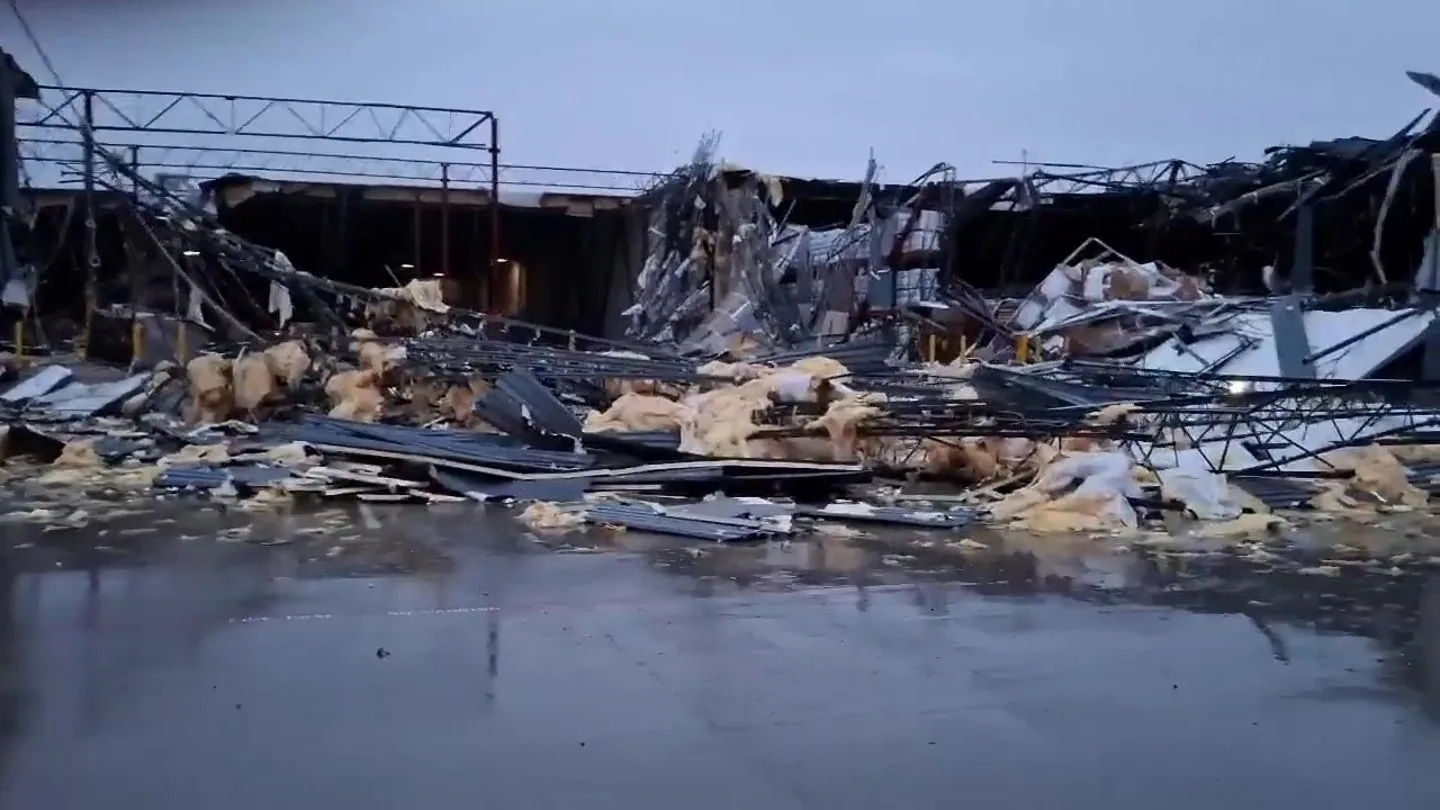
Stabilize and repair commercial tornado-related roof damage in Pueblo, CO with a safe inspection, defined work zones, and a documented handoff.
After a tornado warning or reported damage, the roof walk begins only after the building and access route are cleared. We inspect from a safe position, identify openings and displaced materials, and map any area that cannot be entered. A loose edge, impact mark, or missing panel may expose the building, but each condition needs its own repair boundary. The first priority is to keep weather out without disturbing debris or records that another response team needs.
Tornado and severe-weather patterns are tracked across south-central and southeast Colorado, including county-level distributions. After a reported storm, inspect the roof itself, photograph visible conditions, and separate new damage from pre-existing wear. Pueblo’s industrial and airport employment areas include active facilities where access and equipment movement need coordination. We confirm the event report, site conditions, and roof assembly with the property contact before assigning a cause or setting permanent scope.
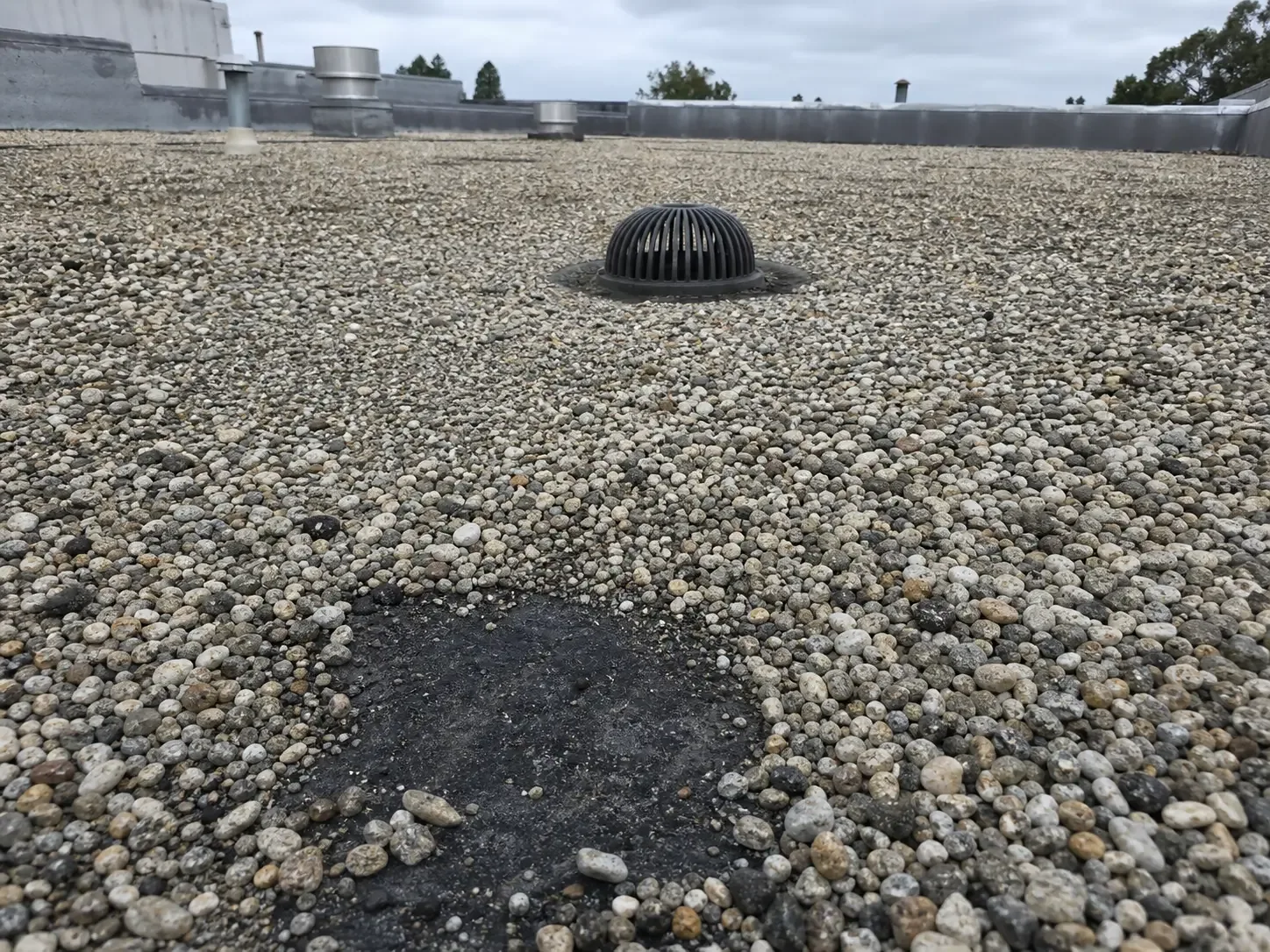
What must be cleared before the roof can be entered?
Confirm that fire, utility, structural, and site-safety personnel have released the route and affected building area. Tornado debris can hide openings, sharp material, and unstable metal. Check whether the roof deck, parapet, rooftop equipment, or supporting structure has shifted before stepping onto it. If the roof is unsafe to walk, use a permitted remote view to locate immediate exposure and return for hands-on inspection only after clearance.
Once access is allowed, mark the impacted zones and photograph from a stable position before moving debris. A roof inspection record can distinguish observed damage from areas not entered. For an active opening, emergency stabilization can plan a secured temporary cover and identify what remains unresolved. Keep temporary measures within the approved boundary and coordinate the next inspection with the incident lead.
Where power, gas, or rooftop equipment status is unknown, stay clear until the responsible specialist confirms it is safe. Do not use a damaged ladder, skylight, or roof hatch as an access point. The property contact should tell occupants which interior zones are affected and where to report new water entry. That information helps coordinate protection below while a safe route to the roof is established.
How should separate roof impacts be mapped?
Wind can lift edge metal or open a seam, while airborne debris can puncture a membrane, damage a skylight, or strike rooftop equipment. Water may then enter through more than one path. We label the roof zones, record direction and visible effect, and note whether the condition is consistent with the reported event or remains uncertain. Existing deterioration and previous repairs stay separate from newly observed damage unless evidence connects them.
A wind-related inspection can document uplift, displaced coping, and loose attachment. For a confirmed membrane opening, puncture repair defines a patch boundary; a flashing review handles a separated curb or wall transition. If water reaches the interior, leak investigation tracks the likely path while preserving uncertainty where the assembly is concealed.
Document a roof plane even when no damage is found if it was part of the reported exposure and safe to inspect. This creates a comparison for later work and avoids implying that an unvisited zone was clear. Photograph any damage before material is removed when it is safe and permitted. If debris must be moved urgently to prevent further harm, note who authorized the work and retain a record of the condition before stabilization.
How can the building be protected before permanent work?
A temporary cover must be secured to sound material and arranged to direct water away from the opening. The work order states the area covered, attachment method, expected inspection interval, and limit of protection. If the roof is unstable or the opening is too large for safe access, coordinate an alternate method with the site safety lead. Interior containment should be arranged under the affected zone, especially where equipment, inventory, or electrical systems are exposed.
After the initial response, storm damage assessment can connect the roof map, temporary stabilization, and measured permanent scope. If repeated failures or widespread wet material appear, a replacement comparison can be considered after the roof assembly is evaluated. The comparison is separate from emergency work and should identify which zones require a full system decision versus localized restoration.
Revisit temporary protection after a new wind or precipitation event if access is safe. A cover that shifts can create a new opening or direct water into another zone. The facility contact should know how to report movement and who can authorize a return visit. Keep the temporary repair photos with the permanent scope so later crews understand the starting condition and do not mistake temporary material for a completed roof detail.
What Pueblo logistics change the response plan?
Pueblo’s mean January low is 15.4°F. That winter measure offers planning context, while current wind, moisture, and surface conditions determine whether temporary or permanent material can be installed. We check the forecast and roof temperature before removing a cover or exposing more of the assembly. If a safe watertight closeout cannot be reached within the work window, the crew protects the opening and identifies the next step.
I-25 connects Pueblo north toward Colorado Springs and south toward Trinidad, while US 50 provides an east-west regional route. These regional connections do not establish a specific site’s delivery access or staging. A Pueblo Airport Industrial Park roof walk requires the property contact to confirm gates, safety rules, and operating windows. When structural or assembly changes require permitting, confirm jurisdiction and current code requirements with the responsible building official.
For an occupied building, arrange access around restoration crews, production needs, and interior mitigation. Mark the laydown area, overhead hazards, and any roof route that must remain available to other response personnel. If a crane or lift is proposed, the facility contact must confirm setup area and operating restrictions. These coordination steps are part of the repair sequence, but they do not replace the inspection of membrane, deck, and attachment.
What belongs in the post-storm handoff?
Provide a roof-zone map, dated photographs, access limits, temporary protection details, and a list of permanent repairs completed or still pending. Identify which materials were displaced, what areas were opened, and what concealed conditions were found. Note whether a structural or mechanical review remains outstanding. If a zone could not be entered, keep it visible in the record instead of treating it as inspected.
Closeout photos should show the repaired edge, seam, or penetration from a distance and close range. Record the installed material and the transition to sound roof surface. A roof condition report can retain open questions for the next capital review. Where hail or straight-line wind is also reported, a hail review can separate those impacts from the tornado-related findings.
Bring the incident timeline, roof plans, interior reports, and access clearance to the follow-up walk. We will measure remaining work and show which decisions depend on structural, electrical, or concealed roof conditions. That allows the owner to coordinate repairs without blending emergency protection, permanent roofing, and unrelated building restoration into one unclear scope.
Commercial Roofing Questions
Can the roof be inspected while the building is still restricted?
Only from an authorized location and within the cleared access boundary. We coordinate with the incident lead and safety contact. If roof entry is not approved, we document observations from safe positions and return when hands-on inspection is permitted.
What should happen first if the roof is open?
Confirm safe access and protect the opening using a method suited to the roof and current weather. We document the temporary area and its limits, then schedule the permanent inspection after the site is cleared.
How can you distinguish tornado damage from older roof problems?
We compare the observed condition with adjacent material, prior repair records, and the event report. Displaced or punctured areas are recorded separately from aged seams and older patches. If cause cannot be established, the report states the visible condition without assigning it.
Will emergency stabilization fix all damage?
No. Temporary protection limits immediate exposure but may leave damaged insulation, deck, or roof transitions unresolved. The closeout states what was secured and which permanent decisions remain.

Arrange a post-storm roof assessment
Provide site clearance, the incident timeline, roof plans, interior reports, and access rules. We will map exposed zones, plan temporary protection, and define the permanent repair boundary.
Call 555-555-5555 or email [email protected].