
Home / Roof Damage Repair / Commercial Snow and Ice Roof Damage Repair
Commercial Snow and Ice Roof Damage Repair in Pueblo, CO
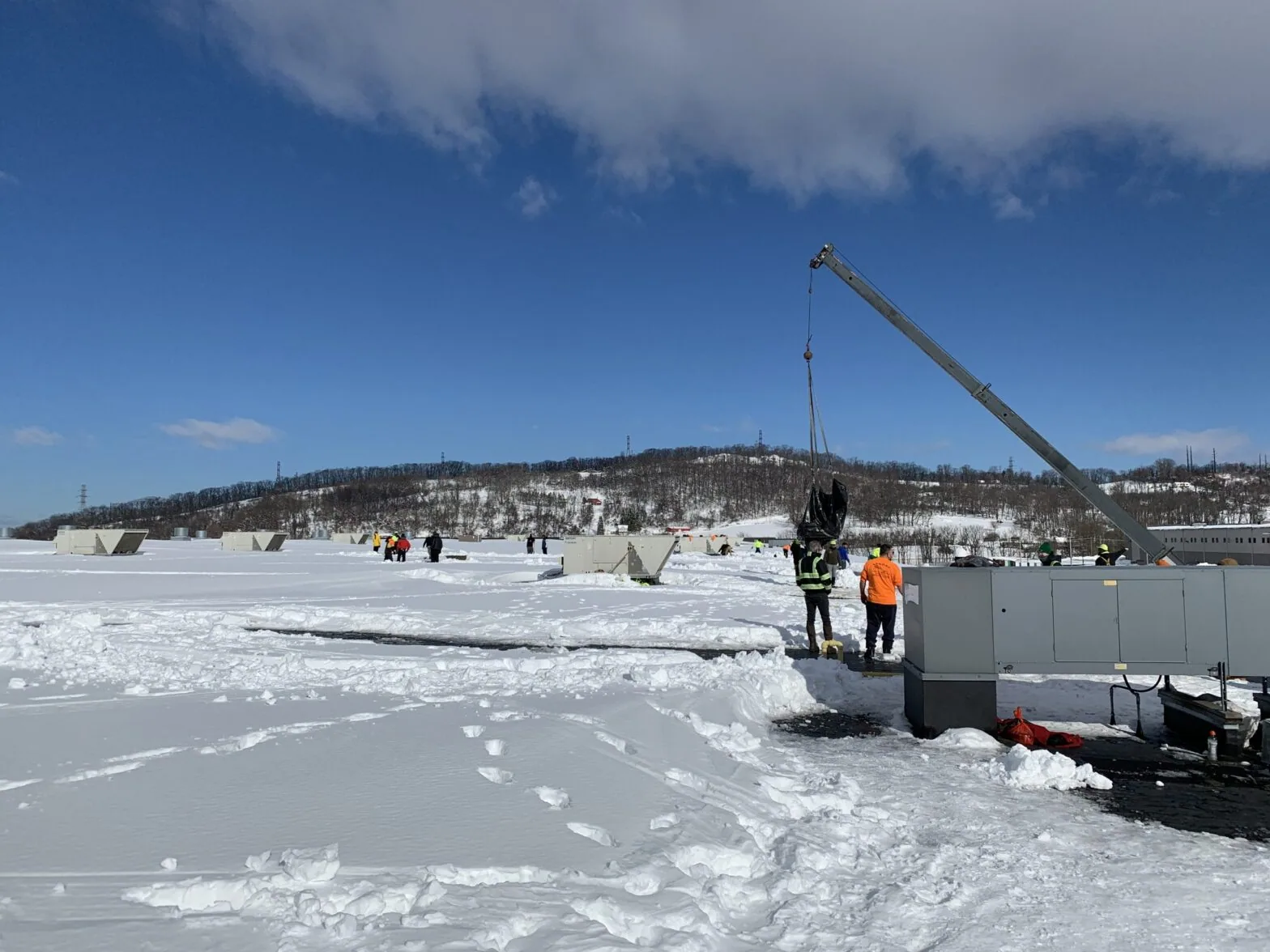
Assess snow and ice roof damage in Pueblo, CO with measured drainage checks, safe access planning, and a repair boundary based on the assembly.
After snow begins to melt, a roof can show a drain backup, displaced flashing, or an interior leak that was not visible during the storm. We start by checking access and drainage, then inspect the affected roof zone without assuming that snow caused every observed defect. The sequence is to locate active water, protect exposed areas, and identify whether the assembly has a new opening, an older weakness, or both. Snow removal is considered only when the roof and conditions allow safe work.
Pueblo averages 28.3 inches of seasonal snowfall; the mean first measurable snowfall date is November 5 and the last is April 13. Those dates are planning context, not a forecast for the property. The actual roof load, drift, and ice condition depend on the building and current storm. We inspect the roof and drainage path before assigning scope or recommending removal.
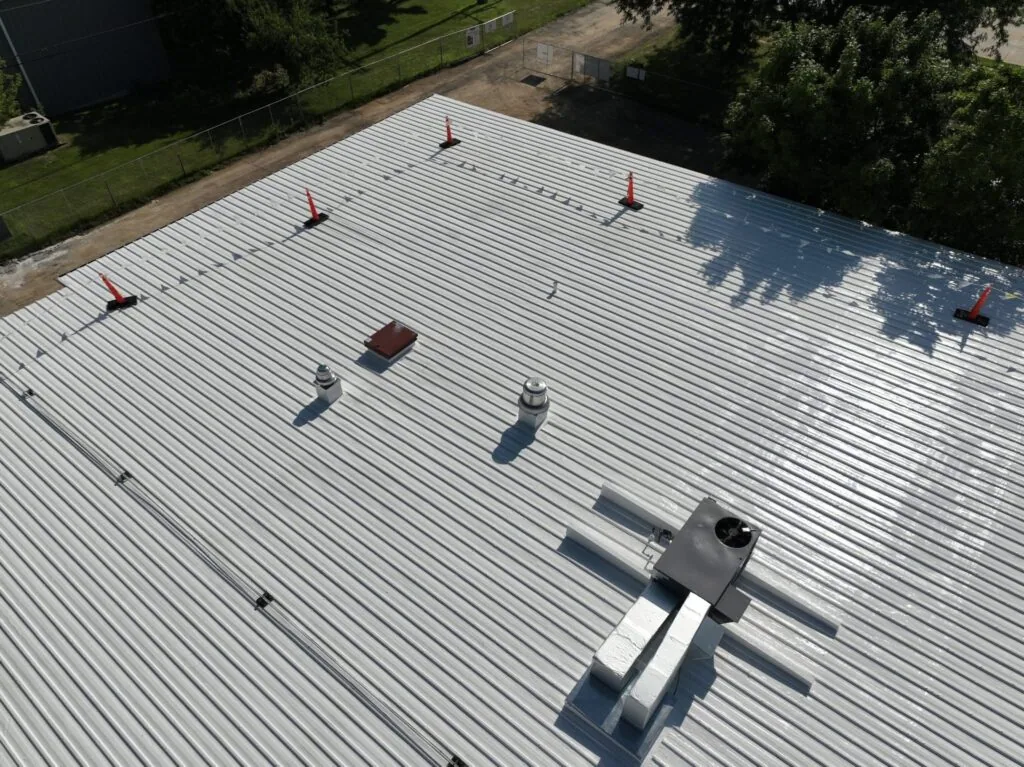
What should be checked when meltwater appears?
Inspect drains, scuppers, overflow routes, parapets, edge metal, penetrations, and transitions where water may collect or freeze. Look for blocked outlets, displaced components, open laps, damaged sealant, and ice that has formed around a restricted path. When a ceiling mark appears, compare it with roof slope, drains, seams, and penetrations before identifying the water-entry point. Map the observed water boundary and note which surfaces remain covered by snow or ice.
A drain and scupper inspection can identify an obstruction or damaged connection. For a reported interior leak, leak investigation can track the path and preserve uncertainty where the assembly is concealed. If seam separation is visible, a seam review can measure the open lap beyond the point where water appeared. Each defect should be recorded by roof zone rather than grouped under a general winter condition.
Before placing a ladder or stepping near a roof edge, assess snow cover, slick surfaces, and the load path. Do not shovel snow toward drains, parapets, or lower roof levels. A remote view may help locate an outlet, but it cannot confirm attachment or deck condition. If access is unsafe, document the limitation and return when conditions permit. Interior protection can proceed while roof entry waits for clearance.
When does snow or ice call for a structural review?
Unusual deflection, new cracks, sticking doors, movement at a column line, or water around a structural connection can be reasons to stop roof work and involve a qualified structural professional. Roofers can document visible roofing conditions, but a roofing inspection does not calculate structural capacity. The owner’s safety lead decides who may enter and whether snow removal is appropriate. Keep structural findings separate from membrane repair so no one mistakes a roof patch for a load assessment.
Ice at a drain or eave may reflect a blocked drainage path, heat transfer, or a local condition that needs more investigation. We inspect insulation, membrane, and flashing where safe and note whether water is trapped beneath snow. A flashing inspection can cover a separated wall or curb transition, while a roof condition review can document the broader assembly. Do not chip ice against the membrane or use open flame to clear a roof detail.
What roofing repairs may follow a winter event?
A damaged drain bowl or displaced flashing may call for a local detail repair. An opened seam or puncture needs a compatible repair that extends to sound membrane. Wet insulation, a compressed low area, or a damaged deck changes the scope and may require opening the assembly. We measure the confirmed area, record what remains untested, and set a stop point before material is removed. A larger repair is not assumed from snowfall alone.
When the roof is dry and accessible, puncture repair can address a confirmed hole, while flashing work restores a separated transition. If drainage remains slow, a drain correction scope should identify the outlet and any related slope work. If repeated winter failures point to broader deterioration, compare repair with replacement planning only after the roof assembly and deck condition are understood.
For an active opening in poor weather, temporary protection needs a secure attachment and a scheduled check. The work order should identify what it covers and whether water can still travel into adjacent zones. Once the installation window returns, remove temporary materials and complete the permanent tie-in. The owner receives the sequence and any conditions left for a separate decision.
How should Pueblo’s winter timing affect the work?
Pueblo’s mean last measurable snowfall date is April 13, but actual conditions vary from year to year. January’s average low is 15.4°F, and a current substrate reading is more useful than a monthly normal for choosing a repair method. The crew checks surface dryness, temperature, wind, and product requirements before installation. If the surface is too wet or cold for the repair, protect the opening and schedule a workable return window before closing the roof detail.
Pueblo’s industrial areas include St. Charles Industrial Park along I-25 and the airport area beside US 50. These locations explain regional access patterns but do not determine a facility’s roof access, snow storage, or laydown plan. A Pueblo West-area roof walk needs the property contact to confirm the route, site controls, and operations below. Before changing the assembly or attachment, confirm the parcel’s reviewing authority and current requirements.
Occupied buildings need a plan for interior collection, equipment protection, and communication while snow or ice remains. Confirm which rooms can be accessed and who can report new water. For large industrial sites, coordinate the roofing work with production and deliveries so the work zone does not intersect active movement. If conditions change during the shift, the crew should leave a secure roof and report what remains exposed.
What should the winter repair record contain?
Record weather and roof conditions observed, areas covered by snow or ice, drains checked, leaks reported, and any zones not safely entered. Include photographs of the completed repair and note whether the assembly was opened. If a structural review, snow removal, or interior restoration remains active, identify the responsible handoff rather than present that work as part of the roofing scope.
Keep a follow-up note for outlets or transitions that may need review after full melt. A maintenance visit can check drain paths and repair edges under a separate scope. If damage is found after the snow clears, map it against the first inspection so new evidence can be distinguished from areas that were not visible earlier. The owner can use those records when planning later repair or capital work.
For the roof walk, share the incident timing, interior observations, safe access rules, and any structural clearance. We will identify active water, measure confirmed damage, and agree on a temporary or permanent repair boundary. The closeout makes clear what was checked, what was repaired, and which next step requires another specialist or a more suitable weather window.
Commercial Roofing Questions
Should snow be removed from every commercial roof?
No. Removal depends on the roof, observed conditions, access, and direction from the property’s safety and structural leads. We do not estimate structural capacity from a visual roofing inspection. If removal is authorized, the plan should protect the membrane, edges, and drainage paths.
Can ice be chipped away from a drain?
Chipping can damage the membrane or drain detail. We assess the outlet and use a method appropriate to the assembly and conditions. If roof access is unsafe, protect the interior and wait for a permitted inspection rather than put staff at risk.
Why does water appear after the snow has melted?
Meltwater may reveal a blocked drain, open seam, damaged flashing, or a condition concealed by snow. Water can move within the assembly before reaching an interior surface, so we trace the path instead of assuming the nearest roof point is the entry.
Can a winter roof repair be installed in freezing weather?
The material and substrate have application limits. We measure roof temperature and moisture, review the current forecast, and protect any exposed area if installation conditions are not suitable. The permanent tie-in follows when the assembly can accept it.

Schedule a snow and ice roof assessment
Share the storm timeline, interior leak locations, snow-removal activity, access clearance, and roof plan. We will inspect safe areas, evaluate drainage, and document a repair sequence suited to current conditions.
Call 555-555-5555 or email [email protected].