
Home / Roof Damage Repair / Commercial Roof Membrane Puncture Repair
Commercial Roof Membrane Puncture Repair in Pueblo, CO
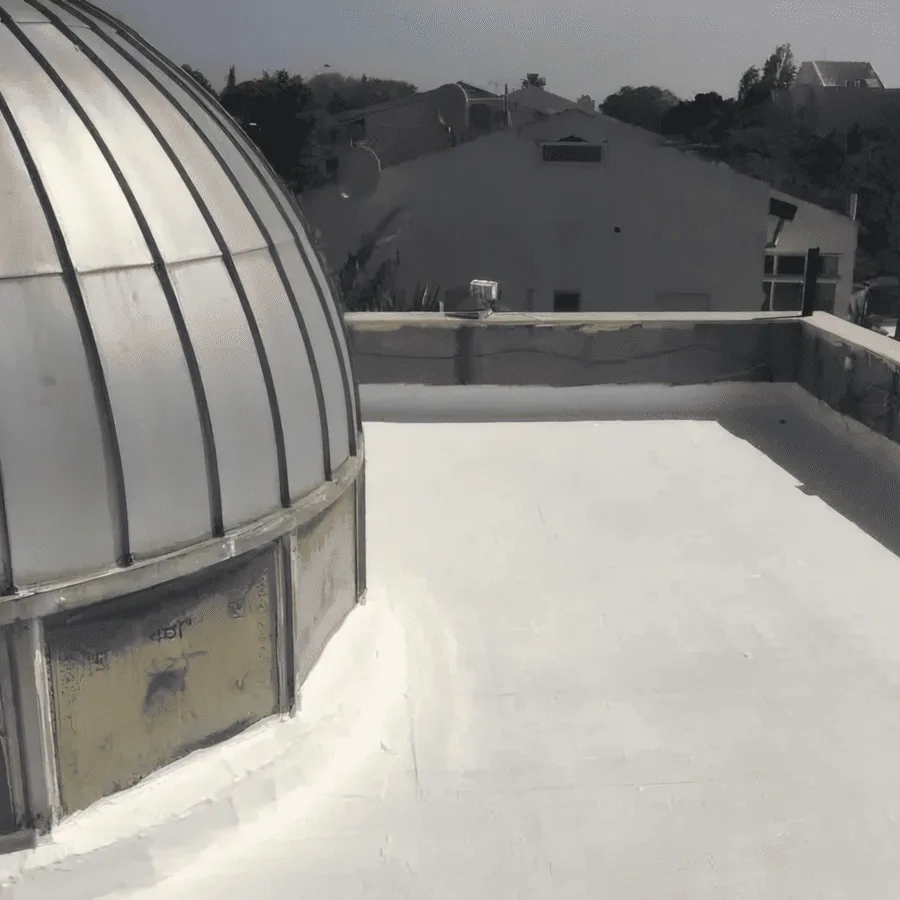
Repair punctures in commercial roof membranes in Pueblo, CO with a traced inspection area, compatible patch detail, and documented closeout.
A small puncture can admit water while remaining difficult to see from the ground. We inspect the mark, look for cuts or compression around it, and trace nearby foot paths, equipment work, and stored materials. The immediate repair may be narrow, but the inspection boundary should include the surface that could have been damaged by the same activity. We record the opening before cleaning and mark the material that can receive a compatible patch.
Pueblo’s industrial and distribution properties make roof access a practical coordination issue. Pueblo’s industrial activity includes steel, wind-tower, and concrete railroad-tie production, while St. Charles Industrial Park has rail connections along I-25. For a puncture repair, the facility still sets the delivery route, work access, and operating window. The patch decision still comes from the membrane, substrate, and roof conditions found in the field.
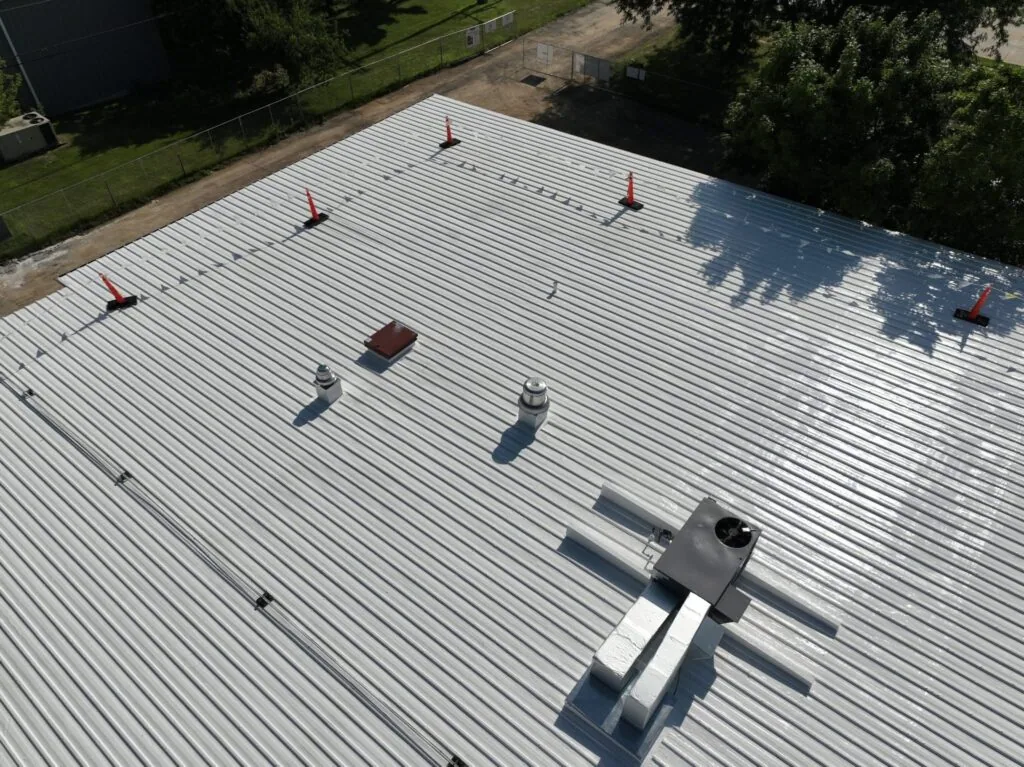
How broad is the damage around the opening?
Inspect the puncture edge for a sharp cut, a crushed spot, a punctured cover board, or a tear that extends beneath a layer of surface coating. Check whether the membrane has stretched or pulled away and whether water, dirt, or adhesive contamination has entered the opening. A boot mark or equipment skid nearby may indicate additional impact, but it does not prove more damage. We map each confirmed defect separately and keep uncertain areas labeled for inspection.
A roof condition inspection can record the membrane type, puncture locations, nearby seams, and visible substrate conditions. If an interior leak has been reported, leak investigation can relate that report to the roof map instead of assuming the puncture is the source. Where concealed moisture is suspected, infrared screening can help select areas for further confirmation when roof and weather conditions support it.
Look at the traffic route that led to the puncture. A path used to reach HVAC equipment may need a protected walkway or a clearer access plan after repair. If the damage came from a dropped tool or a temporary material load, record that condition and remove the hazard before patching. A new membrane surface cannot prevent the same event from happening again if the path, storage location, or equipment work remains unmanaged.
What makes a patch bond to the existing assembly?
Identify the membrane and confirm that the damaged edge is clean, dry, and firmly attached. The patch needs enough sound material around the opening to create the specified overlap and a shape without sharp corners that can lift under movement. The crew prepares and installs the patch according to the selected system’s detail, then checks adhesion and edge contact. A surface smear over a hole does not address a torn reinforcement layer or a punctured board beneath it.
When a puncture crosses a seam, review the lap as well as the hole. A seam inspection can determine if separation continues beyond the impact point. If the opening meets a curb, wall, or pipe, a flashing review can keep that transition in scope. For a localized repair on an otherwise serviceable roof, targeted membrane work can list the patch and any confirmed substrate replacement as separate items.
Where material below the membrane is wet or crushed, agree on a test area and stop point before enlarging the repair. The crew protects the exposed assembly while the owner reviews the findings and added scope. That handoff matters because a puncture patch can close the surface without restoring saturated insulation or a damaged deck. The closeout should say whether the patch was made over sound material or whether a concealed condition required a separate repair.
How should future roof access be managed?
After the repair, review how people reach equipment, drains, and service points. A designated path can reduce repeated contact with the membrane, especially where technicians carry tools or move parts across the roof. Keep the route clear of sharp stock, loose fasteners, and temporary staging. If the roof has several access points, identify which route is approved and where material can be set down without crossing vulnerable seams or blocking drainage.
For an occupied or industrial facility, coordinate roof access with the work lead and the site contact. The crew can sequence repair zones around service calls and loading windows, but only the facility can confirm its internal access controls. A curb and equipment review may be needed if service work caused contact with the membrane. A separate maintenance visit can inspect access paths and patch edges under an agreed scope.
What Pueblo conditions affect the repair window?
A hot Pueblo roof can change a patch material’s working tack; winter thaw can leave the puncture area damp after visible snow clears. We check surface temperature and dryness against product limits before bonding a repair. A hot surface can change how repair materials are handled, while snowmelt can leave the membrane damp after the visible snow clears. We check roof temperature, dryness, and the product’s application limits before patching. If the substrate is not ready, the crew protects the opening and schedules a workable window rather than trap moisture beneath the new detail.
The regional severe-weather record tracks hail, tornadoes, and wind across south-central and southeast Colorado. That information supports local storm awareness; it does not establish a strike at a specific facility. After a reported event, we distinguish impact marks from a puncture caused by maintenance traffic and document what is visible. Owners can compare a hail-damage inspection or a wind-damage review when several roof zones show different conditions.
Deliveries and staging also need site confirmation. Airport industrial sites sit beside US 50 and St. Charles has rail access, but neither fact says where a particular crew may unload. A Pueblo industrial-area roof walk should include the facility’s route, lift plan, and operating restrictions. If the puncture repair is near an active production area, coordinate the overhead work and interior protection before a tool is raised to the roof.
What should the owner receive after the patch?
Closeout should identify the roof zone, puncture dimensions, membrane system, preparation method, patch size, and photographs before and after the repair. If the crew opened the assembly, record what was found below the surface and any added work authorized. List other marks that were inspected but not repaired so they do not disappear into a general completion note. Those details help a later inspection distinguish a new impact from the completed patch.
Record any access change agreed with the facility, such as a protected path, staging limit, or contact required before roof entry. Where an unresolved moisture area remains, mark it separately and state what observation or test comes next. The owner can then connect the repair with building operations and decide whether additional work belongs in maintenance or capital planning. A written roof record can preserve the map and closeout photos for that later decision.
Bring the roof plan, incident timing, and details about recent service work to the roof walk. We will inspect the puncture and its surrounding route, agree on a work boundary, and show any concealed condition before expanding the repair. Once the patch is complete, the property contact receives the finished photos and the remaining items that need a separate decision.
Commercial Roofing Questions
Can a pinhole cause a roof leak?
Yes, a small opening can admit water, though the water may travel before it appears inside. We inspect the puncture, nearby seams, and substrate, then compare those findings with the reported interior area before identifying the water-entry point.
Should every puncture get the same type of patch?
No. The roof system, membrane condition, opening shape, and material below determine the patch detail. We confirm compatibility and prepare enough sound surface for the repair to bond rather than cover the opening with an unrelated material.
What if the puncture is over wet insulation?
We document the exposed condition, protect the test area, and pause at the approved stop point. The owner can review the measured extent and authorize any added insulation or deck work before the permanent tie-in is completed.
How can we reduce repeat damage from roof traffic?
Identify the route used to reach equipment, keep it clear, and protect areas where tools or parts are set down. A short access briefing can show technicians where the membrane is vulnerable and who to contact before staging material.

Arrange a membrane puncture inspection
Share the incident timing, roof system information, access route, and any interior leak notes. We will inspect the affected zone, document the patch boundary, and coordinate the repair window with building operations.
Call 555-555-5555 or email [email protected].