
Home / Roof Damage Repair / Commercial Heat and UV Roof Damage Repair
Commercial Heat and UV Roof Damage Repair in Pueblo, CO
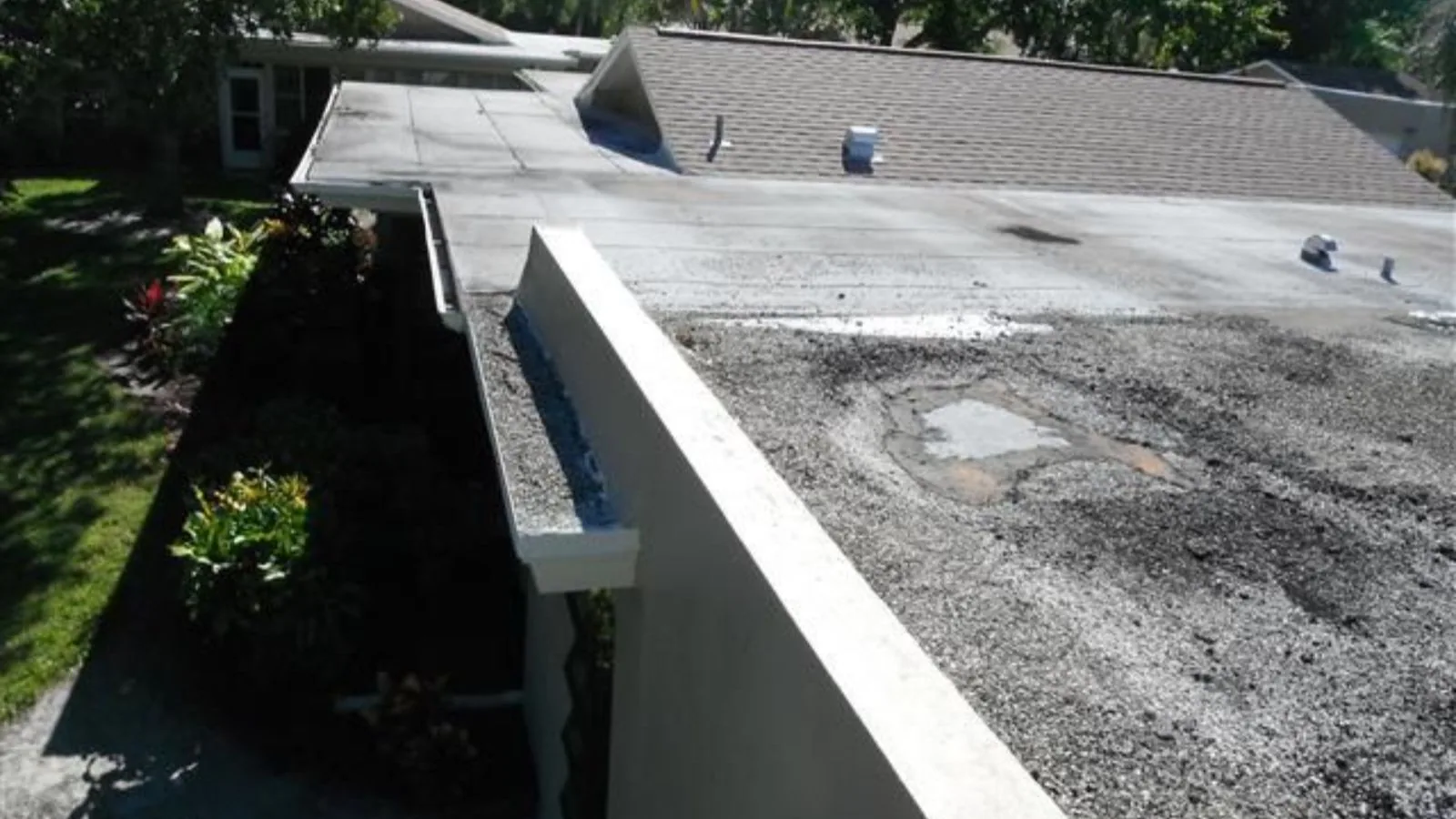
Address heat and UV deterioration on commercial roofs in Pueblo, CO with a measured surface review, compatible repair options, and clear limits.
A roof surface that has become brittle, chalked, split, or loose needs an assembly check before coating or patching is considered. We inspect the membrane, seams, flashings, exposed fasteners, and areas around equipment, then compare the affected zone with adjoining material. Heat exposure can accelerate some forms of aging, but appearance alone does not show whether insulation or attachment has failed. The repair follows the condition that can be confirmed on the roof.
Pueblo’s 1991 to 2020 climate normals give July an average high of 93.4°F and August 90.2°F. The numbers help explain why installation timing and surface temperature matter in summer, while the roof’s actual color, slope, material, and exposure still need a field check. Local industrial uses range from manufacturing to distribution and rail-related operations, so access windows and rooftop equipment also shape the work sequence.
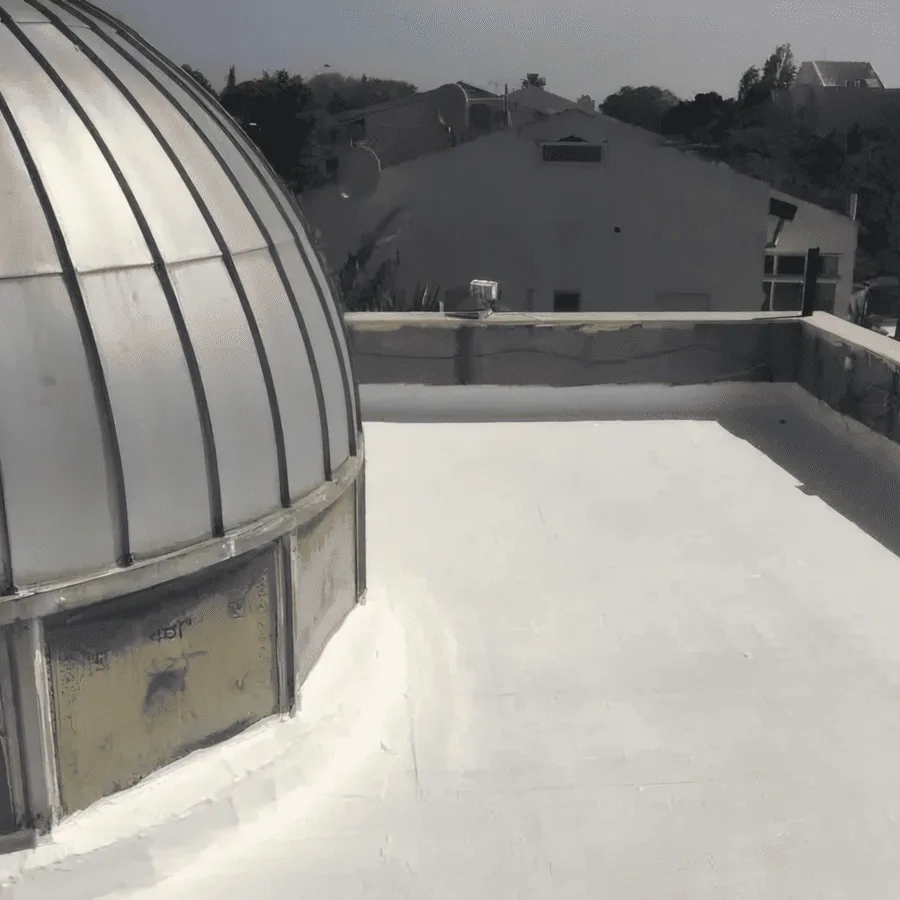
Which signs point to heat-related deterioration?
Inspect for surface erosion, exposed reinforcement, cracking at corners, loss of flexibility, open laps, and sealant that has pulled from a joint. On a coated roof, look for worn film, blisters, cracks, pinholes, and areas where the coating has separated from the base. On a metal roof, check finish condition, fasteners, panel movement, and penetrations. A chalked surface alone does not prove a leak; the inspection connects visible change to water control and substrate condition.
A hands-on roof inspection maps deterioration and records roof-zone differences. If water intrusion or concealed moisture is suspected, leak investigation and moisture screening can help define where further confirmation is needed. Infrared readings are useful only under appropriate conditions and do not identify a cause by themselves. The report should say what the method showed and what still requires direct inspection.
Look closely at penetrations, equipment curbs, and transitions that cycle between shade and direct sun. Movement can stress the detail even where the field membrane looks intact. Record whether cracks cross a seam, stop at an old patch, or follow a termination. That distinction helps determine whether the repair belongs in a localized flashing detail, a membrane tie-in, or a broader restoration scope.
When can a localized repair restore the roof?
A small split or open lap may be repairable where the surrounding membrane remains attached and the substrate is sound. The crew prepares the surface, uses a compatible detail, and ties the repair into material with enough strength to hold. If brittle material extends beyond the first opening, a narrow patch may only move the failure to its edge. We measure the area and identify where the repair reaches sound substrate before preparing a proposal.
For a confirmed seam opening, a seam repair assessment can define the lap and endpoints. A loose curb or pipe transition may need flashing restoration. If heat exposure has left a puncture or crack, membrane repair should record the substrate and patch limits. For multiple defects, coating restoration may be evaluated only after adhesion, existing layers, and moisture condition are checked.
A coating is not a universal fix for a roof that has soft insulation, open seams, poor drainage, or incompatible prior material. If defects repeat across several zones, compare localized repairs with a larger replacement scope after the assembly is assessed. Keep each option separate and state what work addresses the confirmed condition. The owner can then evaluate cost drivers such as removal, substrate replacement, access, and tie-in complexity without confusing them with unverified assumptions.
How do surface temperature and timing affect repair?
Adhesives, primers, coatings, and sealants have application conditions. A hot surface can shorten working time or change how material spreads; an overnight temperature drop can affect cure. We check actual surface temperature, wind, moisture, and the product requirements before starting. If a material cannot be placed within its limits, protect the work area and reschedule rather than create a weak bond under pressure to finish.
Pueblo’s average July high is 93.4°F, but the roof surface can differ from the air and change through the day. Schedule surface preparation and installation for an access window that gives the material time to be checked before the crew leaves. If the building remains occupied, coordinate odors, equipment access, and interior operations with the site lead. The daily plan should identify a watertight stop point for each roof zone.
For roof coatings, verify that the base is clean, dry, and compatible; test adhesion where specified; and address repairs beneath the coating first. The work record identifies which areas were coated and which were excluded. Do not bridge an active seam or cover wet material to make a surface look uniform. A deliberate sequence may require a separate repair stage and later coating pass once the substrate decision is settled.
What local operating context matters?
Pueblo’s employment areas include St. Charles Industrial Park, the airport industrial district, EVRAZ Industrial District, Minnequa Industrial Park, Downtown, and PuebloPlex. Their planned uses and road or rail connections do not establish the roof material or condition at any specific facility. A Minnequa-area roof walk still starts by identifying the actual assembly, access route, and building schedule. We coordinate deliveries and laydown after the property contact confirms the operating rules.
Regional severe-weather tracking includes hail, tornado, and wind distributions across south-central and southeast Colorado. Those records support awareness of events but are not evidence that a particular roof has been affected. A hail-damage inspection or wind review should document the event-specific condition rather than attribute age-related surface change to a storm without support. Any assembly or attachment change should be checked against the parcel’s permit authority.
Where summer work runs near production or loading activity, agree on route, staging, and overhead controls before bringing materials to the roof. Identify what equipment must remain accessible and whether a shutdown is required. If repair and coating happen in separate visits, leave the owner with a list of completed zones and the areas awaiting the next stage. That handoff keeps operations informed without implying that every part of the roof has the same condition.
What should the owner compare after the repair?
Closeout should include roof-zone photographs, the observed deterioration, preparation method, material used, repair boundary, and any area excluded from work. If the crew opened the assembly, record what was found and whether wet insulation or a deck condition changed the scope. Include the surface conditions at installation and any required cure or access restriction. These details make later inspection comparisons more useful than a general note that the roof was coated or patched.
Track repeat locations and compare them over time. A roof condition report can preserve the measured limits and unresolved items for capital planning. A later maintenance visit can check seams, penetrations, drains, and coating edges under its own scope. The follow-up should look for changes at known locations, not assume the last repair addressed conditions beyond its stated boundary.
Share the roof plan, prior coating or patch records, operations schedule, and any interior water reports before the roof walk. We will identify the relevant zones, confirm installation conditions, and define a stopping point if concealed deterioration is exposed. The owner receives a clear repair path and a record of what remains to be decided.
Commercial Roofing Questions
Does a chalky roof surface mean the membrane has failed?
Not by itself. We inspect seams, penetrations, substrate, and areas with visible change to see whether the condition affects water control. Surface appearance is documented separately from confirmed openings or moisture beneath the roof.
Can a coating solve heat-related roof deterioration?
Only where the existing assembly is suitable, dry, attached, and compatible with the coating system. We check those conditions and repair active defects first. Wet insulation, repeated seam failure, or loose material may require another option.
Is midday too hot for roof repairs in Pueblo?
The actual surface temperature and product limits decide the work window. We measure the roof and plan preparation and installation so the material can be placed and checked under suitable conditions.
How can we tell whether a storm caused a new roof defect?
Compare the reported event, roof-zone photographs, prior records, and the physical condition. If the evidence does not establish a cause, we document the defect without assigning it to the storm.

Schedule a heat and UV roof review
Provide roof plans, prior repair or coating records, operating windows, and interior observations. We will inspect surface condition, confirm the assembly, and define options by measured roof zone.
Call 555-555-5555 or email [email protected].