
Home / Commercial Roofing Services / Commercial Solar-Ready Roofing
Commercial Solar-Ready Roofing in Pueblo, CO
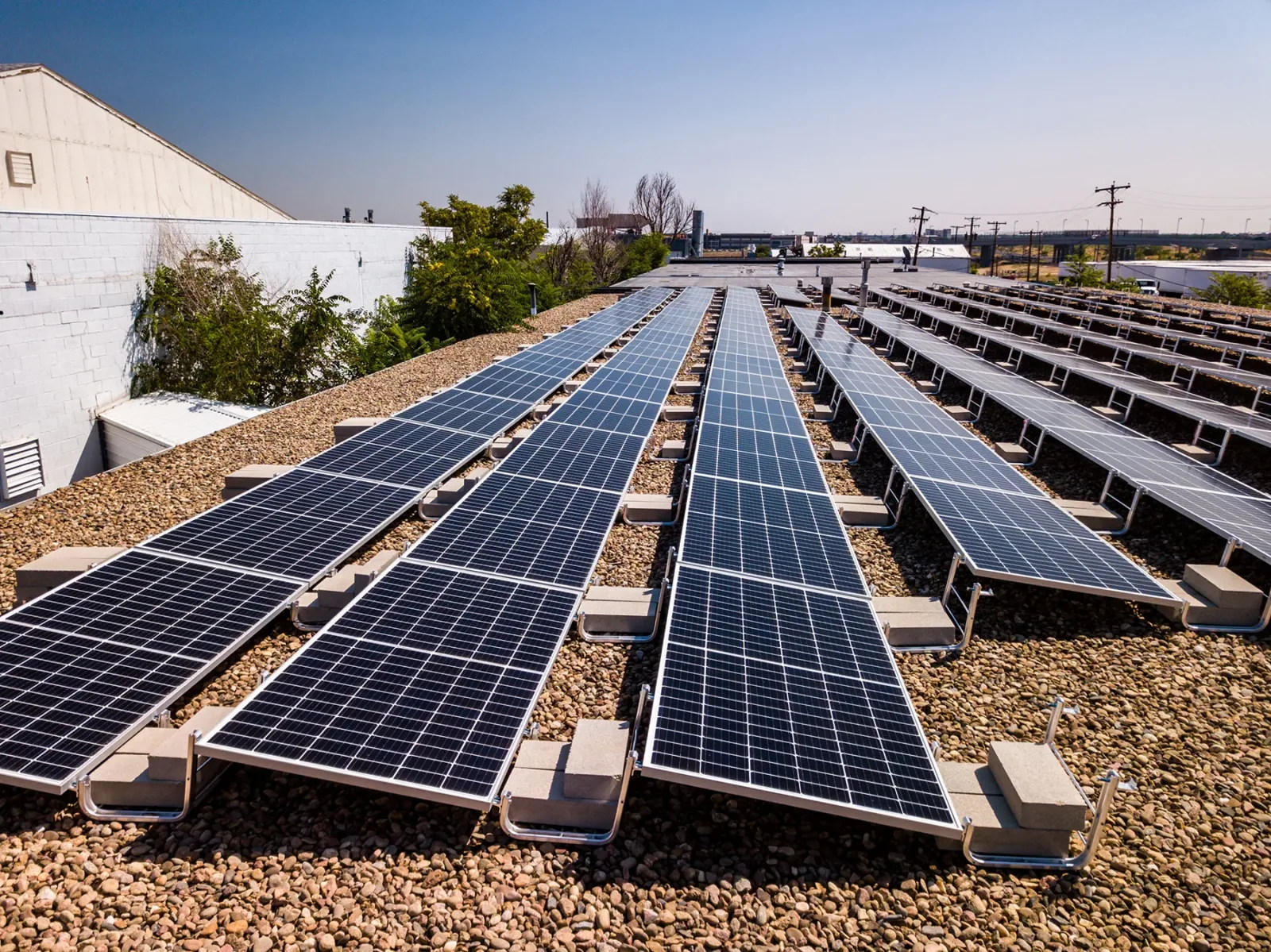
Prepare a Pueblo commercial roof for solar with condition review, drainage mapping, structural coordination, access paths, and documented attachment zones.
A solar layout can fit the roof map while missing a drain, expansion joint, or service path. Before panels or supports are planned, we inspect the roof assembly, remaining condition, drainage, and routes technicians will need later. In Pueblo, CO, hot summer roof temperatures affect materials and work windows, while winter snow makes water movement important to review. The roof needs to be ready for the added work and accessible for future maintenance without hiding a condition that should be repaired first.
Preparation is a coordination task among the building owner, roofer, solar designer, electrical contractor, and structural engineer. We identify the roof zones that may receive attachments, mark penetrations and drains, and provide condition information for the design team. At St. Charles Industrial Park, manufacturing operations and rail service can shape laydown and access. At PuebloPlex, a large campus contains many separate structures, so the condition review needs to stay specific to each roof. The array plan should use the building’s actual roof information, not a generic panel layout.
Which roof zones are ready for added equipment?
We inspect membrane seams, flashings, insulation, deck conditions, roof edges, drains, and areas where existing units or penetrations already occupy space. An array can shade parts of a roof and make later inspection harder, so visible defects and required repairs should be identified before supports are installed. If the membrane is near the end of its serviceable condition, the owner should compare reroof timing with solar installation to avoid removing equipment for later roof work.
Moisture and attachment matter too. A visual walk may not reveal wet insulation or confirm the deck below; targeted testing can help the team decide whether material should be removed. The structural engineer evaluates added loads and attachment requirements, while we document the roof assembly and proposed work zones. A roof inspection can establish visible conditions, and an infrared survey can focus verification where moisture is suspected. These findings do not replace structural calculations or the solar designer’s electrical and layout work.
Where should the panel layout leave room?
The roof plan should preserve clear paths to drains, scuppers, HVAC units, skylights, expansion joints, and roof hatches. Technicians need room to inspect the membrane and service both the solar equipment and the building’s mechanical systems. Supports should not block drainage channels or force a walkway through a weak roof zone. We compare the proposed layout with the measured roof and flag conflicts before the attachment pattern is finalized.
Attachment can be penetrating or ballasted, depending on the system design and structural review. A penetrating support requires a flashed roof opening that matches the membrane; a ballasted system adds weight and needs structural acceptance. We coordinate attachment zones, membrane compatibility, flashing height, and sequencing with the project team. If roof replacement is planned, the reroof scope can include solar-ready details and reserve access paths. If a recover is being considered, the existing assembly review must account for added layers and future attachment.
Does the roof system affect solar preparation?
Yes. Membrane type, attachment method, roof slope, and warranty documents can affect where and how supports are installed. TPO, PVC, EPDM, modified bitumen, and metal roofs use different flashing and seam details. We identify the existing system and coordinate the proposed support detail with the solar designer and manufacturer instructions. The project plan should state who installs each flashing and who documents the completed tie-in.
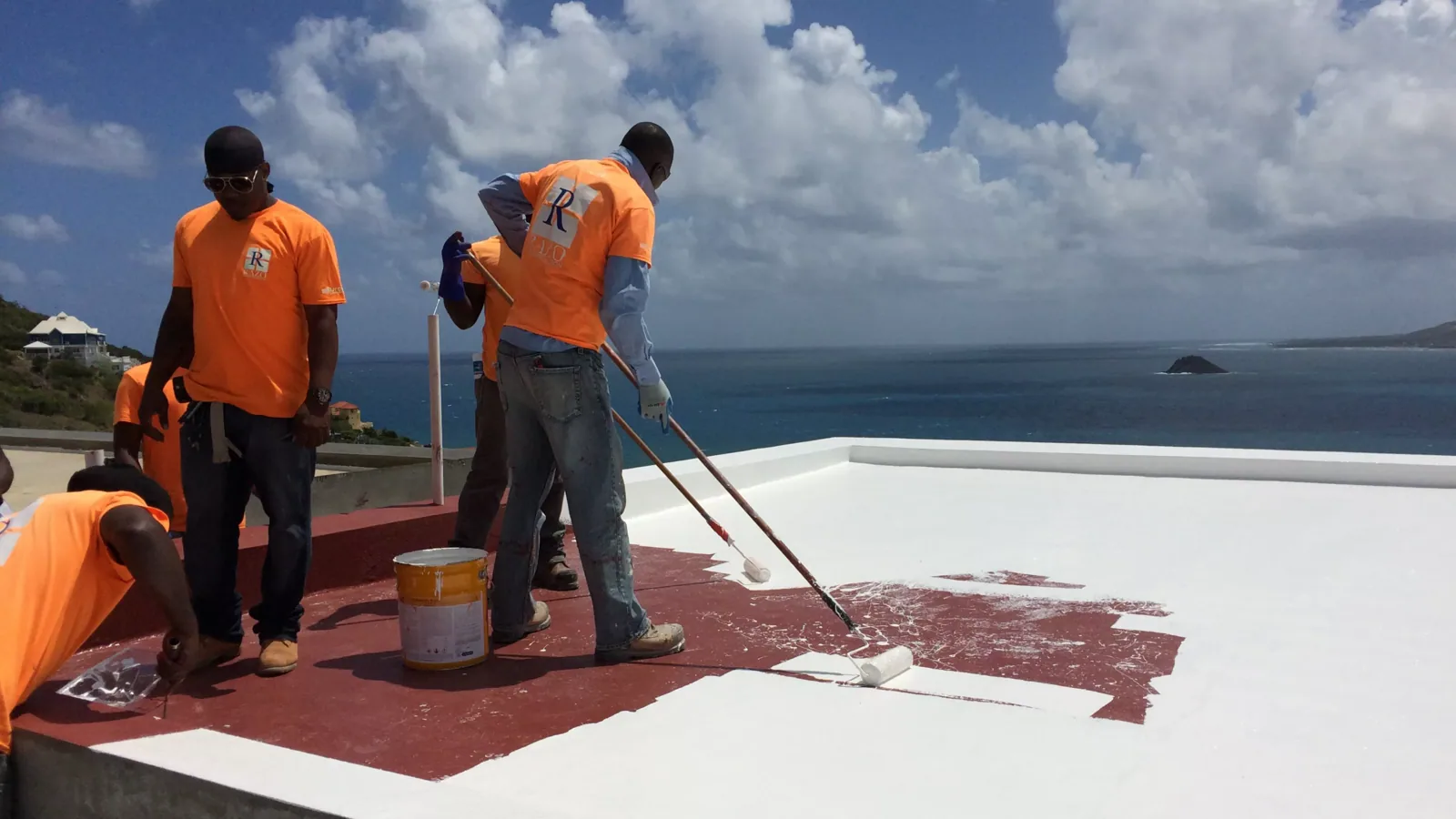
A roof that needs extensive repair may be a poor place to add panels before the condition is corrected. The owner can compare repair, replacement, or recover timing with the solar schedule and expected access needs. If a reflective or coated surface is part of the roof plan, check compatibility with support pads and adhesives before the array is placed. Our coating evaluation can determine whether a proposed restoration is suitable, while a support-detail review can address roof penetrations shared with mechanical equipment. The final solar design remains with its qualified design team.
How should roofing and solar work be ordered?
If the roof needs replacement, roofing generally should be completed before the solar array is mounted. The work sequence can set the membrane, flashing, and attachment details before racks, conduits, and modules occupy the surface. If solar is already installed, the owner and solar contractor coordinate safe removal, temporary storage, electrical isolation, and later reinstallation. The roofer should not disturb live electrical equipment or assume the array can be moved without its installer.
For each attachment zone, the handoff should identify the approved detail, installer, inspection point, and protection around finished membrane. Keeping that information with roof plans helps a later service crew trace a leak without confusing a solar connection with a roofing defect.
Delivery routes, crane setup, electrical shutdown windows, and roof-access paths affect the schedule. Pueblo airport industrial sites are near US 50 and have taxiway access, and St. Charles Industrial Park is rail-served with I-25 access. Those corridor facts do not establish entry rules at a specific facility; the project lead confirms gate, staging, and operating restrictions. A building-operations plan can preserve loading and tenant routes while the roof zones are prepared. We mark stop points for weather changes and confirm that any open work area is protected before moving to the next phase.
What does a solar-ready roof file include?
The file should include roof plans, inspection findings, photographs, repair records, membrane identification, drainage paths, and zones reserved for supports or access. We document the completed flashing details and any roof areas that were repaired before solar work. The structural calculations, electrical drawings, equipment specifications, and permit approvals belong to the responsible design and installation teams; we coordinate the roofing information those teams need.
After the array is installed, future roof access may be limited. The owner should retain the attachment layout, roof zones, walk paths, and contractor handoffs so a later leak investigation can locate the affected membrane. Drain cleaning and flashing checks should remain possible without moving panels. Arrange a roof walk with the solar layout, roof records, operating schedule, and design contacts ready. We will identify field conflicts, mark roof constraints, and coordinate a membrane detail before attachments cover the surface.
Commercial Roofing Questions
Should the roof be replaced before solar panels are installed?
If the roof condition points to replacement during the solar system’s expected service period, coordinating reroof work first can avoid moving panels later. We inspect the assembly and report visible conditions; the owner and solar team compare that information with project timing and financing. The decision should account for access, attachment, and future repair needs.
Can a roofer approve the solar array’s structural loads?
No. A qualified structural engineer evaluates the building structure, added load, and attachment design. We provide roof information, identify the membrane assembly, and coordinate flashing details, but structural calculations and array design remain with the responsible professionals.
What roof areas should the panel plan keep accessible?
Keep drains, scuppers, hatches, expansion joints, HVAC equipment, and required service routes reachable. We compare the layout with roof conditions and mark areas where panels or supports would block inspection or water movement. The solar designer can then revise the array while preserving those paths.
Can panels be installed over an existing coating?
The coating, attachment method, surface condition, and support-pad compatibility need review first. We confirm whether the roof can accept the added work and whether penetrating details can be flashed correctly. If the coating is loose, wet areas are present, or the assembly needs repair, those conditions should be resolved before array installation.

Put the roof plan and solar layout on one walk
Share the array drawing, roof records, access routes, and design contacts. We will map roof conditions, identify conflicts, and coordinate attachment details before equipment is placed.
Call 555-555-5555 or email [email protected].