Home / Roofing Manufacturers / Holcim Elevate Commercial Roofing
Holcim Elevate Commercial Roofing in Pueblo, CO
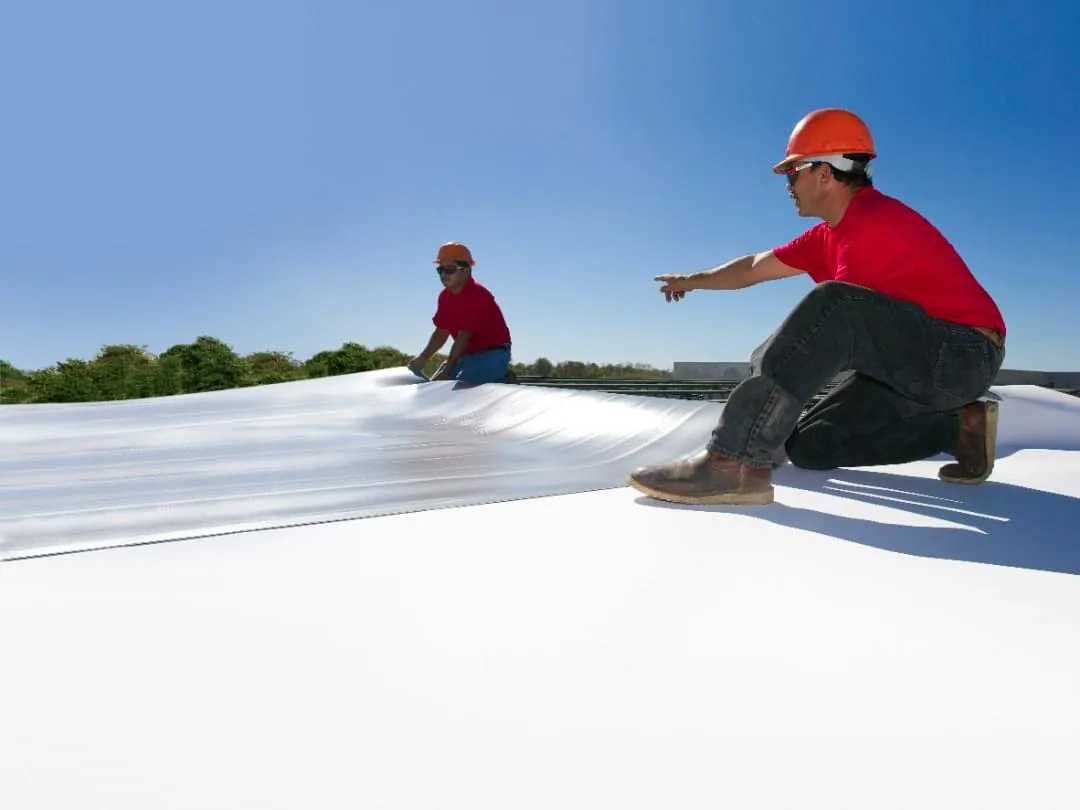
Review Holcim Elevate commercial roofing in Pueblo, CO with a building-specific check of membrane, insulation, drainage, and installation detail.
Holcim Elevate’s commercial system choice should follow the assembly and the roof’s current condition. Its portfolio includes UltraPly TPO and RubberGard EPDM membrane families, with other system components selected for the project. We inspect the existing deck, layers, attachment, drainage, and transitions before recommending a repair, recover, or replacement scope. The name on a past invoice alone does not confirm what remains on the roof today.
Pueblo’s industrial corridor includes EVRAZ steelmaking and the St. Charles rail-served manufacturing park. PuebloPlex is a separate redevelopment campus with existing structures and planned rail-related uses. These local settings may affect operating schedules or delivery coordination, but they do not establish roof type, age, or condition. The property contact and field inspection supply that information. Confirming delivery access, building hours, and material staging before mobilization helps protect operations below.
Which membrane family suits the project?
UltraPly TPO is a thermoplastic membrane with reinforced options; RubberGard EPDM is a synthetic rubber system with different seam and flashing details. Selection requires more than comparing labels. Review exposure, existing assembly, attachment method, penetrations, rooftop traffic, drainage, insulation, and the owner’s maintenance capacity. Check the current product data and system details for the exact configuration before quantities or schedule are fixed.
An EPDM evaluation and a TPO review can compare system requirements against field conditions. For an alternative manufacturer’s thermoplastic system, GAF EverGuard and Johns Manville TPO can be considered on the same basis. A comparison should include approved attachment, cover board, insulation, perimeter, curbs, drains, and closeout requirements rather than focus on one membrane feature.
Before proposing an overlay, identify existing layers and any wet or deteriorated areas. A test opening may be needed if roof records are incomplete. If an existing assembly differs from the plan, stop at the agreed point and share photographs before expanding removal. A sound system choice depends on those field conditions and on the current technical documents, which should be checked again at project design.
What details need to match the selected assembly?
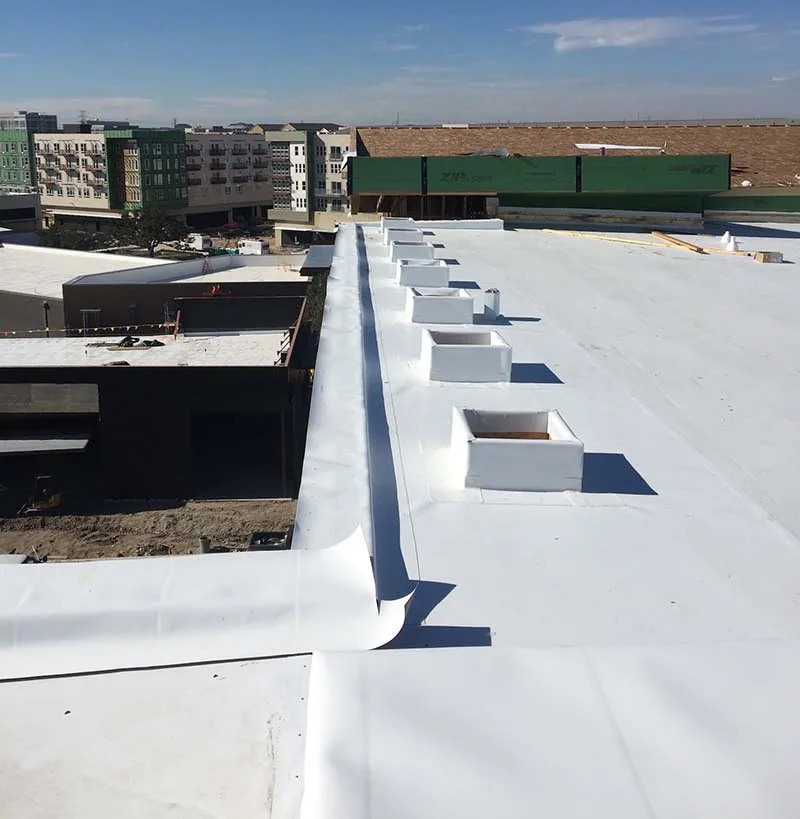
At each transition, determine how the membrane turns up, terminates, and connects to adjacent material. Inspect drains, scuppers, curbs, expansion joints, skylights, parapets, and edge metal. A detail that works on a field sheet may need a separate flashing component at a vertical surface. The work order should list those transitions and identify which existing material can remain.
A roof inspection can map visible defects, while a drain assessment can check outlet and overflow details. Open laps can be addressed through seam repair planning; a loose curb transition may need a flashing scope. Do not treat those items as interchangeable. The proposed system must follow the current detail for its membrane and attachment.
For EPDM, inspect seam condition and the substrate where a patch or tie-in will bond. For TPO, assess weldable sheet edges and installation conditions. At both, the perimeter and penetration details can govern water control. Photograph the work before flashing is concealed, and record the completed transition. If another trade must adjust equipment or supports first, identify that handoff so the roofing scope starts at a stable interface.
How should the installation be coordinated?
Divide the roof into zones that can be opened, prepared, installed, and closed watertight during the planned work window. Confirm access points, staging, lift locations, equipment shutdowns, interior protection, and the route used by other trades. A facility lead should approve the daily boundaries and receive notice when the crew changes zones. Do not move materials across drains or leave debris where it can block an outlet.
Pueblo’s first measurable snowfall date averages November 5; use the current forecast to protect open roof areas during the transition into winter. Those dates inform seasonal scheduling; current roof moisture, surface temperature, wind, and product limits determine whether installation can proceed. Follow the current product detail and application requirements. If weather is outside limits, keep the roof protected and move the permanent work window rather than rush a seam or adhesive step.
Rail access at St. Charles and highway access by the airport district are regional factors, not a promise of site staging. A St. Charles-area roof project still requires the property to confirm delivery route, security, and working hours. On an occupied building, schedule noisy removal and temporary shutdowns with the facility contact, and plan an end-of-shift point that leaves every open zone secure.
How does the roof condition affect the recommendation?
A localized leak or seam problem may be repairable where surrounding material remains stable. Repeated moisture, loose attachment, or deteriorated insulation can require a broader evaluation. We document the measured defect, adjacent condition, and any test opening separately. The report should say what was observed rather than claim an entire roof system failed based on one opening.
A targeted repair can address a confirmed boundary; a replacement comparison can evaluate a larger area after inspection. If a recover is under consideration, check layers, moisture, attachment, drainage, and code before presenting that option. The owner should see what each scope includes: removal, insulation, cover board, metal, penetrations, waste handling, and access coordination.
If a system includes warranty documents, keep the issued terms, maintenance requirements, and project closeout together. A product family does not establish that a particular building has current coverage. The owner or issuer confirms status and any approval requirement. Our work record identifies the installed components, photos, repair limits, and unresolved items so the next facilities review can start from the completed scope.
What Pueblo records support a clear handoff?
The Pueblo Armory’s historic roofing bid documents describe an EPDM replacement over existing SBS modified bitumen and divide the work among separate roof areas. That record is specific to a past project and does not identify another property’s assembly. It does show why a handoff should preserve system layers and zone labels. For any current project, the field condition and approved submittal control the record.
Projects under Pueblo Regional Building Department jurisdiction use the 2021 IBC, IEBC, and IECC, subject to current amendments. Confirm the parcel’s permit authority and current requirements before the assembly is finalized. Keep code approvals, manufacturer submittals, owner decisions, and warranty papers in distinct parts of the project file; each answers a different question.
A condition report can preserve the roof map, installation photos, and remaining observations. Bring the project plans, prior repair history, and operating rules to the initial roof walk. We will identify the system details, weather window, and access sequence, then show which conditions require a separate decision before installation proceeds.
Commercial Roofing Questions
What is the difference between UltraPly TPO and RubberGard EPDM?
They are different membrane chemistries with different seam, attachment, and flashing details. We review the roof assembly and current product documentation to see which system options fit the building and proposed scope.
Can this manufacturer’s material go over my current roof?
An overlay depends on existing layers, attachment, wet insulation, deck condition, and drainage. We inspect those items and identify whether a test opening is needed before presenting a recover scope.
Do you provide a Holcim Elevate warranty?
Warranty terms are issued separately and depend on the project documents and conditions. We can organize the owner’s paperwork and document work performed, while the issuer confirms status and coverage.
How do you handle a roof that differs from its plans?
We record the exposed condition, pause at an agreed boundary, and show the project lead before changing quantities. The owner can then authorize testing or a revised scope while the opening remains protected.
Review Holcim roofing options in Pueblo
Share system documents, roof plans, repair history, and building access rules. We will inspect the assembly, compare options, and define the transitions, work zones, and project closeout.
Call 555-555-5555 or email [email protected].