Home / Roofing Manufacturers / Carlisle SynTec Commercial Roofing
Carlisle SynTec Commercial Roofing in Pueblo, CO
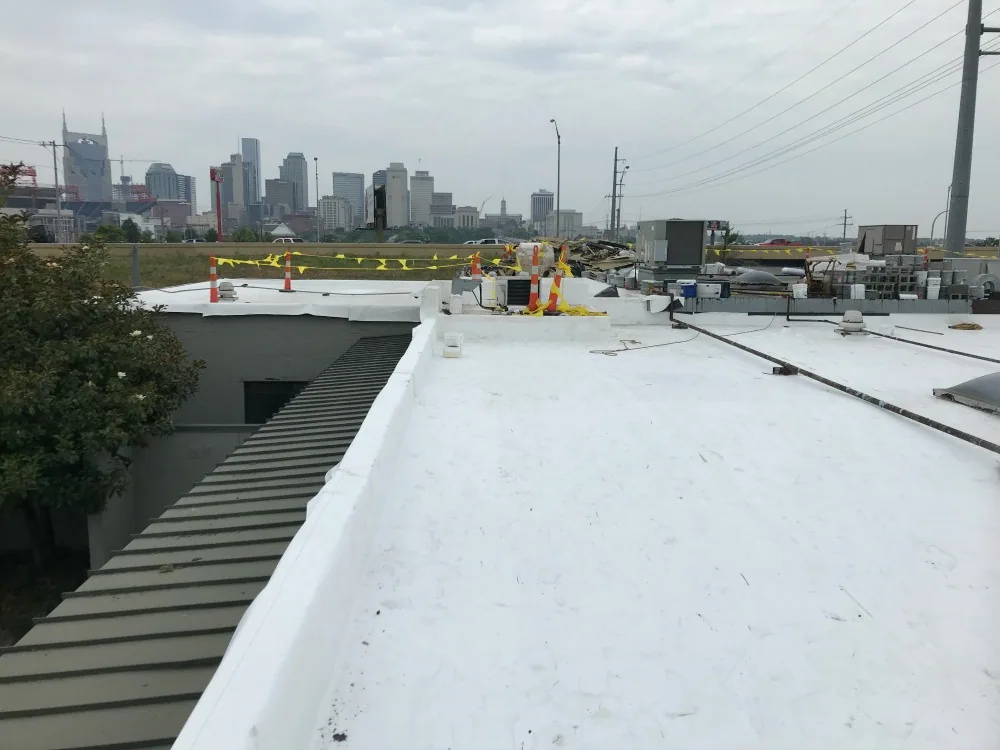
Assess Carlisle SynTec roofing systems in Pueblo, CO with a review of membrane options, substrate, details, site access, and project sequence.
A Carlisle SynTec roof scope starts with the roof that is there. We identify membrane, attachment, cover board, insulation, deck, and detail condition before comparing product options. Carlisle’s commercial range includes Sure-Weld TPO, Sure-Seal EPDM, and Sure-Flex PVC. Each has different seam methods and detail requirements, so the building’s assembly and exposure guide selection. We make the proposed system and limits clear rather than treat a product name as a completed design.
In Pueblo, St. Charles Industrial Park connects rail-served manufacturing with the I-25 corridor. Nearby employment areas also include PuebloPlex and airport development sites. Those facts inform access and delivery questions, not roof construction. The facility contact confirms operating controls and laydown; our roof walk verifies the conditions that affect the system and work sequence.
Which Carlisle membrane fits the roof being evaluated?
Sure-Weld TPO is a heat-welded thermoplastic option; Sure-Seal EPDM uses a different membrane chemistry and seam approach; Sure-Flex PVC is another thermoplastic family with its own system details. The name alone does not select attachment, insulation, or flashing. We compare the roof geometry, rooftop exposures, repair history, expected service access, and compatible components before writing a scope. Existing roof layers and substrate condition can rule out an otherwise familiar option.
For a TPO proposal, review TPO assembly details and the condition of field seams and corners. An EPDM comparison can use EPDM roof system considerations, while PVC options may be reviewed where the use and exposure warrant it. Chemical resistance and energy behavior should be matched to the exact product and assembly in the current specification. For comparison, GAF EverGuard TPO and Johns Manville TPO offer other membrane options to evaluate against the same roof conditions.
Check the existing membrane, primers, adhesives, and old repairs before deciding whether work can tie in. A Carlisle material can be part of a system with insulation, fasteners, plates, cover boards, edge metal, and flashing. The proposal identifies the components required by the selected assembly. If a detail cannot be confirmed until a test opening, record that step and agree on the closeout before hidden materials are disturbed.
Where do seams and terminations need closer attention?
Map field seams, end laps, corners, curbs, wall transitions, drains, and perimeter edges. For heat-welded material, the surface needs proper preparation and the weld should be checked under the installation procedure. For EPDM, seam tape or adhesive details and terminations need a different inspection. A repair detail should reach sound material and extend beyond the opening enough to create the specified tie-in. Do not bridge a loose edge and call it secure.
A hands-on roof inspection can document the assembly and defect locations. If seams have opened, seam repair review can measure how far separation extends. At a curb or parapet, flashing assessment addresses the transition as its own detail. If the roof has active water entry, leak investigation can relate that report to the roof map without relying on proximity alone.
When an existing roof includes mixed materials or a prior recover, check compatibility before overlaying or patching. Surface contamination, old coatings, and wet insulation can affect bond. If a sample or test cut is required, mark its location, photograph each layer, and set a temporary protection plan. The owner sees the evidence behind a change in scope and can authorize added work before the opening grows.
How should a Carlisle project be sequenced?
Divide the work into zones that can be prepared, installed, and made watertight within the access window. Confirm material staging, lifts, equipment clearance, interior protection, and the route trades will use to reach the roof. On an occupied facility, coordinate around deliveries and building operations rather than open an area that cannot be closed before the shift ends. The crew should keep drains functional and prevent debris from moving into equipment or neighboring properties.
Pueblo’s average January low is 15.4°F, and its July mean high reaches 93.4°F. Those normals make both cold-weather adhesion and hot-roof handling relevant, but actual substrate temperature and forecast control the work. Carlisle’s product instructions and selected assembly set application conditions. If the roof is damp, too cold, or otherwise outside the detail requirements, protect the area and reschedule the permanent work.
St. Charles’ rail access and the airport industrial district’s position near US 50 can support regional logistics, but the property has to confirm where deliveries may enter and stage. A St. Charles Industrial Park project walk should include site-specific access and safety rules. For larger replacement work, a replacement scope should state crew sequence, removal limits, and the daily watertight boundary.
When should an owner compare repair with renewal?
A localized seam or flashing defect may be repairable if the surrounding assembly is stable and a compatible tie-in exists. Widespread deterioration, recurring leaks, saturated insulation, or poor drainage can shift the decision toward a larger project. We measure the condition and identify which zones were inspected. A repair proposal should not imply that areas beyond its boundary were restored, and a replacement option should identify what removal and substrate work it assumes.
If the owner is considering another layer, a recover evaluation examines the existing buildup, attachment, moisture, drainage, and applicable code. A targeted repair may address current exposure while a capital decision is developed separately. If an opening is active, temporary protection should be documented independently from permanent restoration so the owner can see what remains.
Compare options against the same roof zones and cost drivers: removal, insulation, cover board, flashing, edge metal, drainage work, staging, interior protection, and schedule. If the alternatives include a different membrane family, explain the tradeoffs in assembly and maintenance terms. The project lead can then evaluate the whole detail rather than choose from a list of material names.
What local project facts should remain in the closeout?
If a proposed system changes roof attachment or insulation, the project lead confirms the applicable local code editions and parcel review path. The project lead should confirm the parcel’s authority, amendments, and permit path before the assembly is finalized. A permit record does not replace the manufacturer’s installation details, and a product data sheet does not establish approval for a particular roof. Keep those records separate and identify which party is responsible for each project determination.
PuebloPlex includes existing buildings and storage structures across a redevelopment campus with industrial, rail-related, research, and technology plans. That scale illustrates why owners need building-level photographs and labels rather than one general note for an entire property. A PuebloPlex-area roof survey still records the actual building and zone. A condition report can preserve open items after installation or repair.
Closeout should show the products installed, substrate preparation, seam and flashing checks, photographs, any field change, and sections left outside scope. If the owner receives warranty paperwork, include only the issued document and stated requirements. A warranty file review can organize the records while the issuer determines coverage under its terms. Bring plans, repair history, and access rules to the initial roof walk so the final handoff has a consistent baseline.
Commercial Roofing Questions
Does Carlisle manufacture TPO, EPDM, and PVC roofing?
Yes. Carlisle SynTec lists Sure-Weld TPO, Sure-Seal EPDM, and Sure-Flex PVC among its commercial membrane families. The specific assembly and available details should be checked against current product documents and the building’s conditions.
Can a Carlisle membrane be patched with another brand?
Compatibility depends on the membrane chemistry, condition, and repair detail. We identify the existing system and select a documented, compatible method; an unrelated material is not assumed to bond simply because it is available on site.
Will you confirm a Carlisle warranty before work?
We can review the documents the owner provides and identify maintenance or notice terms. The owner should confirm status, transfer, and coverage with the issuer. Our closeout records the work performed and its date; the issuer determines warranty matters.
What can delay installation?
Wet or cold substrate, surface contamination, an assembly that differs from plans, inaccessible equipment, or concealed damage can change the sequence. We identify a watertight stop point and tell the owner what must be resolved before permanent work proceeds.
Review Carlisle SynTec options in Pueblo
Share roof plans, repair history, access rules, and any Carlisle system documents. We will inspect the assembly, compare membrane and detail options, and provide a scoped sequence with clear closeout requirements.
Call 555-555-5555 or email [email protected].