
Home / Industries We Serve / Commercial Roofing Support for General Contractors
Commercial Roofing Support for General Contractors in Pueblo, CO
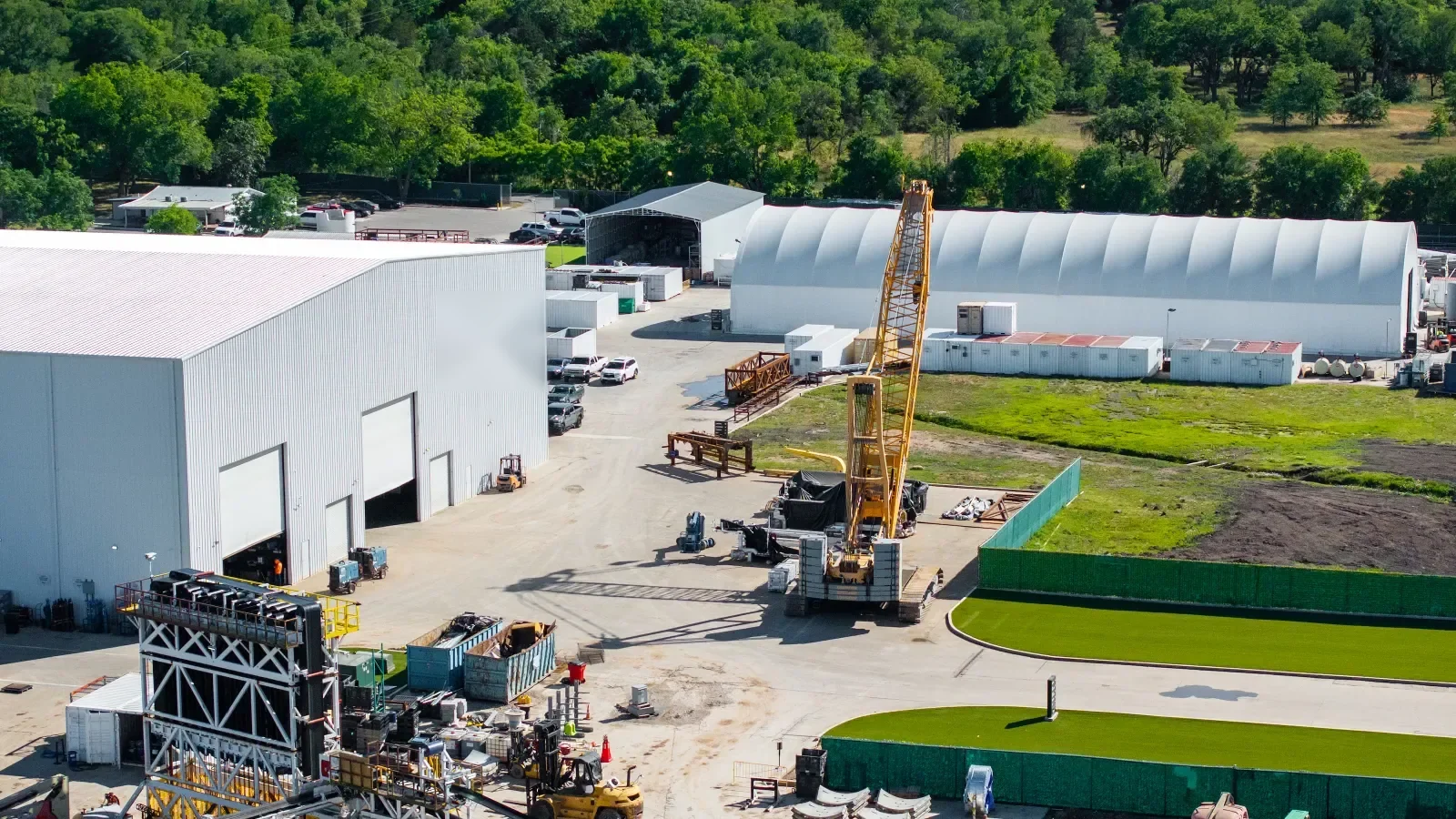
Coordinate commercial roofing scopes in Pueblo with general contractors through field verification, submittals, trade handoffs, access planning, and closeout.
A roofing scope can look coordinated on a schedule and still miss the field condition that changes the tie-in. We walk the roof zones with the project lead, verify assembly and access, and identify where the roofing sequence depends on mechanical, electrical, or structural work. Before the bid or submittal is fixed, we state the work boundary, required handoff, and point where a concealed condition needs an owner decision.
Pueblo’s projects may sit near different freight and employment contexts. PuebloPlex is a former depot redevelopment campus with planned manufacturing, warehousing, rail-related, research, and technology uses. EVRAZ Industrial District is a steel-manufacturing area near I-25. These local facts can frame mobilization and coordination discussions, but they do not identify a project’s roof system, secure route, or contractor access. We confirm the actual site, approved staging, and sequence with the GC team and owner before committing to a work plan.
What should be verified before roofing submittals?
Compare the drawings with the roof as installed: membrane or metal type, number of layers, insulation, deck, edge conditions, penetrations, and drainage. Note which dimensions are field-verified and which remain design assumptions. If the plan calls for equipment replacement, identify who owns the curb modification and temporary cover. A mismatch at a parapet or expansion joint can change material quantities and sequencing, so raise it before the roof area is open.
A preconstruction roof walk can identify visible conflicts and define additional verification. We can provide a measured replacement scope with tear-off limits, tie-ins, and closeout requirements. For work above occupied areas, phased sequencing can coordinate enclosure and daily dry-in. The GC can then align the roofing submittal and schedule with the actual roof condition instead of relying on a generic assembly note.
Submittals should match the assembly in the contract and call out any alternates before the owner reviews samples or shop details. We can identify the proposed membrane, attachment, edge conditions, flashing transitions, and testing or inspection points within our scope. If a substitution changes a tie-in or sequencing requirement, flag it for review rather than letting the difference surface during installation. The GC can align the roofing package with structural and mechanical submittals while keeping each trade’s responsibility explicit.
During preconstruction, confirm the route for RFIs, field photos, safety coordination, and schedule updates. Name who can direct a stop when concealed conditions differ from the bid and who has authority to approve a change. A clear decision chain helps the crew protect the open roof without pricing or installing work that the owner has not authorized.
Which roof transitions need another trade at the table?
Roofing interfaces often depend on who installs the curb, pipe support, equipment, blocking, edge metal, or wall flashing. Mark each transition and identify the trade responsible for the final weather seal. If electrical conduit or mechanical equipment will cross the membrane, resolve the sequence before roofing closes that area. The schedule should show inspection or sign-off at the handoff, not only the date each contractor expects to finish.
Curb and support coordination can define the roofing detail around equipment work. If a field opening reveals deck deterioration, stop at the approved boundary, document the substrate, and submit a change for direction. For a production site, manufacturer facility coordination may require a distinct shutdown and material route; a public owner’s agency approval path can also change documentation and access. Each GC sequence should reflect the owner and building involved.
How can roofing stay aligned with the master schedule?
Set the roofing look-ahead against deliveries, crane time, access, inspections, and weather. Confirm the crew can install and close the planned area within the shift, then reserve a contingency for forecast changes. A crane lift or pallet drop may interfere with other trades even when it does not touch their scope. We identify the work zone and route, send a status before each opening, and close the area before handing it back to the next operation.
St. Charles Industrial Park is rail-served and positioned on I-25; Pueblo Memorial Airport industrial sites are adjacent to US 50 with taxiway access. Those locations illustrate the region’s freight connections, but the GC must confirm the actual laydown area, turning limits, security, and delivery sequence for a project. A PuebloPlex-area roof walk may involve development-stage coordination, while an existing operating plant will have current access and safety rules to verify.
How should changes and Pueblo weather be handled?
Pueblo’s summer roof exposure and seasonal snowfall can shift crew timing and the amount of material that can be opened. A July mean high of 93.4°F and average seasonal snowfall of 28.3 inches provide context, but the current forecast decides the work window. Before removal begins, agree on a secure end-of-shift stop point, temporary protection, and who informs the owner if weather alters the sequence. A schedule update should identify the roof zone and the new closure target.
When the field condition differs from the bid set, document the location, photo, and quantity before work expands. A separate repair item or drainage correction can be priced as an alternate when it does not belong in base replacement. Before roofing submittals are revised, the general contractor and owner confirm which department reviews the parcel and whether current code amendments affect the assembly details. Clear change control protects the owner’s approval process and the GC’s record.
What should the GC receive at turnover?
Turnover should list completed roof zones, installed materials, approved substitutions, photographs, warranties supplied with the system, and any remaining condition. Include inspection sign-offs and the approval trail for changes. If equipment work happened after membrane installation, state who completed the final flashing and where that interface was checked. A concise record helps the owner maintain the building after the construction team demobilizes.
A post-project maintenance review can create a separate list of drains, seams, or details to monitor. General contractors managing several trades can coordinate future scopes through property management staff once the owner assumes operations. We provide the roof-specific closeout and open items; the GC can attach those records to the broader project turnover package without mixing work completed with observations deferred for another contract.
Record the turnover date and the owner’s acceptance contact beside the final roof-zone map and inspection photographs.
Commercial Roofing Questions
Can a roofer help identify scope gaps before bid day?
A roof walk can compare the drawing set with visible assembly, transitions, equipment, and access. We document conflicts and unknowns that may change quantities or sequencing. The design team and owner remain responsible for resolving design requirements, while we provide field observations and a measurable roofing scope.
How should the schedule handle a delayed mechanical curb?
Identify whether the roof opening can be closed temporarily and who owns that protection. We coordinate the curb detail and return sequence with the mechanical trade, then confirm the final weather seal before closeout. The GC should show that handoff as a schedule dependency.
What happens when the roof deck differs from the drawings?
We stop at the authorized limit, photograph and describe the exposed condition, and submit a change for review. The owner or design authority directs the added work. This keeps the original scope intact while the team decides how to address the verified field condition.
What should be included in roofing turnover?
List installed system details, completed zones, change approvals, photographs, inspection sign-offs, and any remaining observation. Identify the final responsible party for roof penetrations changed by other trades. That record gives the owner a clear maintenance starting point.

Walk the roof before fixing the trade sequence
Bring the roof drawings, mechanical plans, schedule, access rules, and known field conflicts. We will verify the assembly, identify handoffs, and define roofing boundaries for coordination.
Call 555-555-5555 or email [email protected].