
Home / Roofing Capabilities / Multi-Site Commercial Roof Programs
Multi-Site Commercial Roof Programs in Pueblo, CO
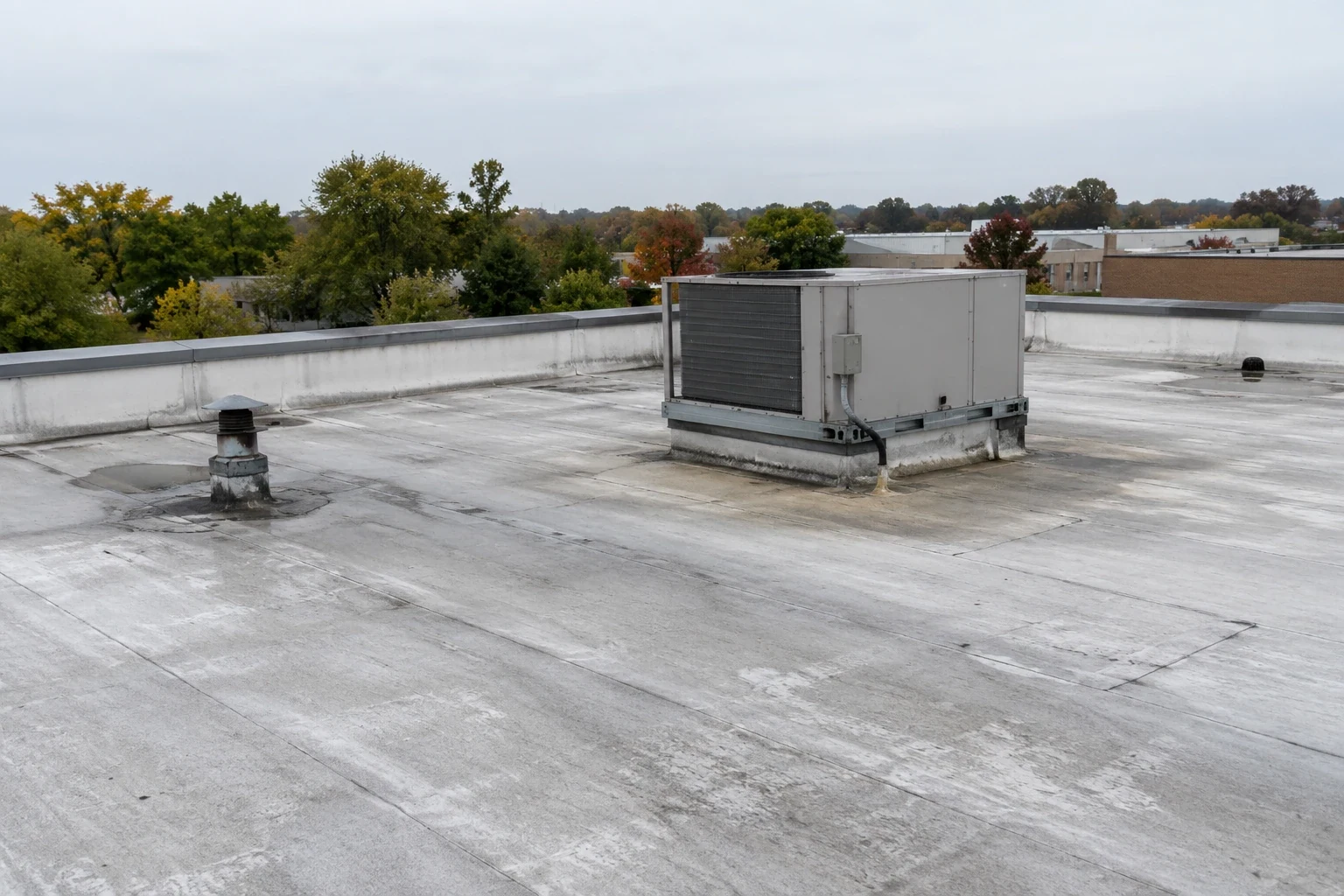
Coordinate commercial roofing across Pueblo properties with consistent records, site-specific scopes, planned access, and clear repair priorities.
A multi-site roof program needs one operating method and separate decisions for each building. We create a site list, map roof zones, record access and operations, and track findings and work orders in a consistent format. A shared dashboard can show priorities, but it does not make the roofs alike. Each site retains its own assembly, repair history, permit authority, and conditions that remain unknown.
Pueblo-area properties may sit in Downtown, the rail-served St. Charles Industrial Park, the airport employment district, or PuebloPlex. Those settings involve different delivery and operating contexts. A portfolio route can group nearby roof walks, but the facility contact still confirms who can provide access, where material may be staged, and what production or tenant activity should shape the work window.

What information should be consistent across the sites?
Use stable building identifiers, a common roof-zone naming method, inspection dates, known system, repair history, access limits, open risks, and next actions. Include a record source and date for each field. If one building has full plans and another only has invoices, preserve that difference in the dataset. Do not populate missing fields with assumed system, age, warranty status, or roof dimensions to make the spreadsheet appear complete.
A roof asset record can hold condition and service history, while a condition report adds dated photographs and field descriptions. For repeated sites, a common inspection scope helps compare the same elements without forcing identical recommendations. At each property, the field lead should note inaccessible areas and conditions that need testing.
Set a closeout standard before the first visit. Specify what the owner expects for photographs, repair boundaries, material descriptions, approvals, and unresolved items. If sites use different work-order or asset systems, agree on identifiers and file naming before uploading records. This prevents one roof’s images from being attached to another address and lets facilities teams locate the history after staff or property management changes.
How can the team prioritize service across properties?
Rank active exposure, safety concerns, ongoing water entry, repeated repairs, and planned renewal separately. An urgent leak at one site does not necessarily make an older but dry roof the next replacement project. The program should state what evidence supports each priority, which decision maker owns it, and when the next inspection or approval is due. Revisit the order after weather events, tenant changes, equipment work, or newly discovered substrate conditions.
For a confirmed local defect, targeted repair can stabilize one building while longer-term options are evaluated elsewhere. A replacement plan should identify its measured roof zones and phasing. If a roof might accept another layer, a recover review needs to assess assembly, moisture, attachment, drainage, and code before it enters the comparison. Each recommendation remains site-specific within the shared program.
Track deferred work with a reason and a condition that would trigger reinspection. “Monitor” should name the area, observation to look for, and review date. If a roof cannot be accessed, record the barrier and responsible contact. The portfolio summary can then show the issue without disguising the fact that its condition remains unverified.
How do local logistics affect a coordinated schedule?
Pueblo’s employment areas include the I-25 corridor, US 50 access near airport sites, and rail-served industrial properties. Those links can influence material delivery planning, but they do not tell us where a specific site permits a truck or lift. St. Charles Industrial Park’s rail connection and the airport district’s highway access are different regional contexts. We confirm loading rules, gate procedures, laydown, and work hours with each facility before grouping visits.
Pueblo’s long-term snowfall normal totals 28.3 inches, with the mean first and last measurable dates falling in early November and mid-April. A coordinated schedule can avoid repeated mobilization and place compatible work in the same weather window, but current roof temperature, moisture, and forecast still control material installation. Build contingency into the site order. If an earlier roof walk exposes wet insulation or an unsafe deck, the crew needs authority to stop and reschedule the next site without leaving an opening unprotected.
For occupied properties, maintain a contact list for tenants, security, maintenance, and emergency response. Reserve access windows for equipment shutdowns and use a consistent notice format while keeping the date and scope specific to each site. A St. Charles-area roof program should be scheduled with the actual facility’s operating plan, not the park’s regional freight profile.
Who approves work and owns the records?
Assign an owner representative for scope approval, emergency response, spending limits, and unresolved conditions. Identify which local contact can authorize access and interior protection at each building. A central facilities manager can coordinate the program, but a site contact may control safety procedures and operating windows. Record both roles so the crew knows who can make the decision at the stop point.
Store inspection findings, bids, permits, work orders, and closeout photos with a building identifier and zone. A capital plan can organize multi-year work, and a warranty file review can track known documents and their obligations. Confirm actual warranty status with its issuer. Before the scope is fixed, the permit lead confirms which authority reviews the parcel and which current code editions apply. A multi-site schedule should record the authority and current permit path that apply to each parcel.
When a contractor finds concealed deterioration, document the condition and pause at the approved limit. The site contact should receive photos and a separate price or change request before work expands. The record then shows original scope, approved change, completed work, and any remaining concern. That chain of decisions is especially useful when several projects run under one annual program.
What should the annual program review show?
Summarize sites inspected, repairs completed, active protection, open recommendations, upcoming access, and funding decisions. Show the status and basis for each item: observed, owner-reported, tested, repaired, deferred, or inaccessible. The summary can flag common patterns while keeping individual roof findings separate. If one site has a roof issue affecting operations, the report should name that building and the next responsible action.
At the end of a project, reconcile work orders against zone maps and confirm that photos and material notes reached the owner’s file. A roof survey may establish a transaction baseline at a new property, while the multi-site record continues after acquisition. Do not merge earlier seller information with new inspections without preserving source and date.
Bring the facility list, existing records, priority sites, access contacts, and current operating constraints to a program kickoff. We will agree on the inspection format and emergency handoff, then report findings by building. The owner receives a coordinated service process with distinct repair choices and clear next steps at every roof.
Commercial Roofing Questions
Can one contract cover several roofs with different systems?
Yes, the program can coordinate inspection and reporting across different assemblies. Repair details and recommendations remain specific to each roof, and the scope identifies system differences rather than force a common installation approach.
How do you respond if one property has an emergency?
The program should name the central contact, each site’s access lead, and the approval path for temporary protection. We coordinate the urgent response at that building and keep its emergency work separate from planned repairs at other sites.
Can roof inspections be scheduled together to lower disruption?
Nearby visits can be grouped when access, crew sequence, and weather allow. Each facility still confirms its operating window and staging controls, and the schedule needs room to stop if a roof reveals an unsafe or concealed condition.
What if records are missing for one property?
We label the gap and inspect what can be safely accessed. The field record can establish visible conditions and a plan for confirming hidden layers, while unknown system, warranty, or repair details remain open until evidence is available.

Coordinate a Pueblo multi-site roof program
Share the building list, roof plans, repair records, access contacts, operating calendars, and priority concerns. We will set a consistent inspection and reporting method with site-specific scopes and handoffs.
Call 555-555-5555 or email [email protected].