
Home / Commercial Roofing Services / Commercial Cool Roof Installation
Commercial Cool Roof Installation in Pueblo, CO
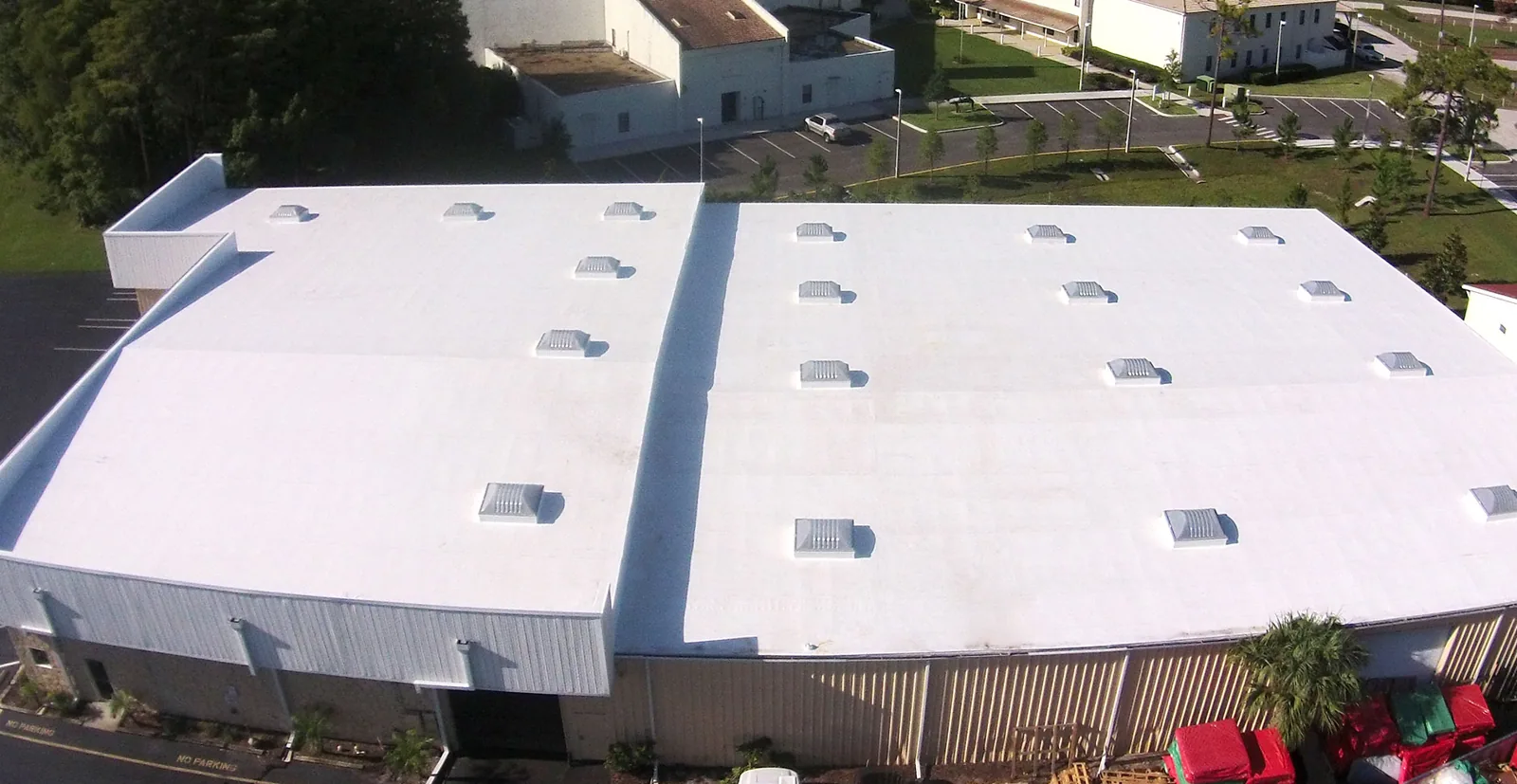
Plan a reflective commercial roof in Pueblo with assembly review, surface temperature checks, drainage details, and realistic performance expectations.
A white coating may reflect sun, yet a blister or wet seam still needs repair first. We inspect the roof assembly, substrate, drainage, and existing surface before deciding whether a reflective membrane or coating fits the building. In Pueblo, CO, average July and August highs exceed 90 degrees, which makes surface temperature and product installation limits relevant to the work plan. A cool-roof specification should begin with a sound assembly and a measured roof zone, not a color choice alone.
Reflective systems can reduce solar absorption at the exposed surface, but the result inside the building also depends on insulation, HVAC, occupancy, and equipment loads. We explain the product’s documented properties without assigning a specific utility savings to the property. At St. Charles Industrial Park, manufacturing and rail operations may shape access and production windows; the PuebloPlex campus includes a wide range of existing buildings. Those settings illustrate why the system decision and work sequence need to be made building by building.
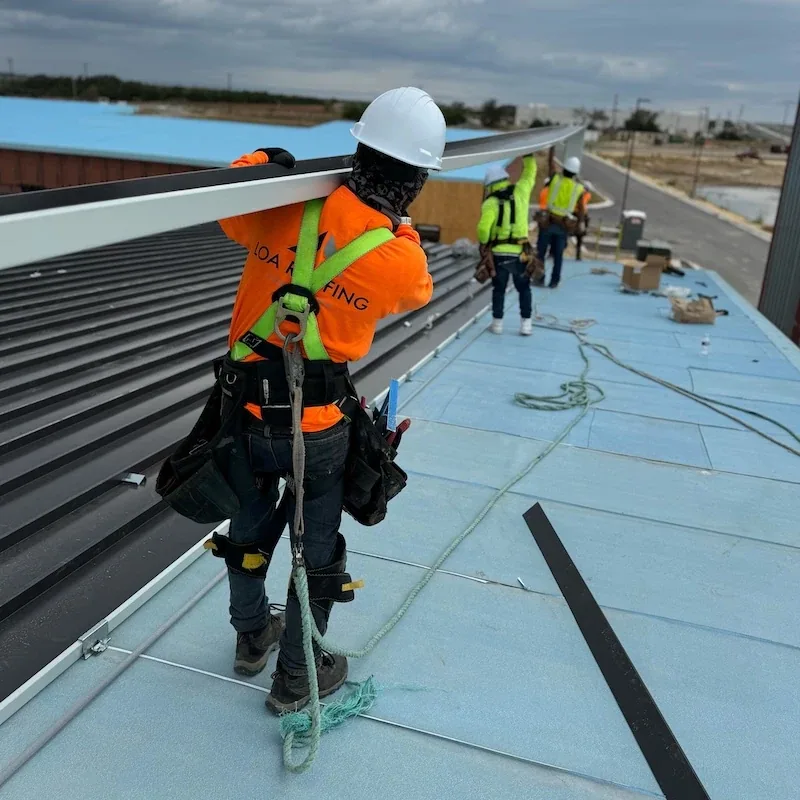
Which existing roof conditions need correction?
Before installing a reflective membrane or coating, we check for open seams, wet insulation, loose material, damaged flashing, ponding, and weak attachment. A coating cannot bridge a moving substrate or dry out concealed material. A new membrane also needs a compatible deck and secure perimeter detail. We map visible conditions, test representative areas where needed, and mark any roof zone where the planned assembly should pause for additional verification.
The surface must be prepared according to the selected system. Existing residue, chalk, grease, or a previous coating can affect adhesion. For coating work, we may use a test patch and allow the specified cure period before judging bond. For membrane replacement, we review substrate, insulation thickness, fastening, and tie-ins at curbs and walls. A roof inspection can document the existing roof, while a moisture survey can focus openings where wet insulation is suspected. The performance goal cannot replace an investigation of the conditions already present.
Which reflective assembly fits the building?
Options may include a reflective TPO or PVC membrane, a suitable coated metal roof, or an approved coating over a compatible existing membrane. Each system has different seams, attachment, flashing details, and maintenance needs. We compare the existing roof with the proposed assembly and confirm how it handles ponding, roof traffic, equipment supports, and perimeter restraint. A system data sheet describes product properties; the roof plan and field measurements show where those details land.
Coating can be useful when the existing roof is stable and passes preparation and adhesion checks. A new membrane may be appropriate when the surface or substrate cannot be retained. We do not describe a roof as ready for coating solely because the membrane looks intact from the hatch. A coating restoration review can test that path, and a TPO assembly may be compared with PVC roofing where the building’s conditions support those systems. The owner receives the reasons for the recommendation and the repairs needed before installation.
How does heat affect the installation plan?
Pueblo’s climate normals report average July highs of 93.4 degrees and average August highs of 90.2 degrees. A roof surface can be hotter than the air, affecting adhesive handling, membrane flexibility, coating viscosity, and worker comfort. We check the substrate and product temperature range before choosing the day’s work area. The crew may need to adjust staging, water breaks, and application timing when direct sun heats the roof.
A reflective surface does not remove the need for insulation or ventilation review. The building’s thermal performance depends on the complete roof and mechanical system, including the insulation layer, air leakage, HVAC controls, and interior schedules. We can note assembly conditions that affect heat flow, but a full energy model requires building data beyond a roof walk. If a coating or membrane is applied in stages, the new surface and temporary tie-ins must be protected at the end of each shift. Pueblo’s winter snowfall also makes drainage and edge transitions part of the roof plan, even when the project goal centers on summer exposure.
How can operations continue during installation?
Industrial and commercial buildings may stay in service while roofing work proceeds by zone. We set a work boundary, delivery path, equipment clearance, and daily stop point with the facility contact. A manufacturing shift, warehouse loading schedule, or patient-care operation can affect where the crew stages materials. The project lead also identifies roof hatches, fall-protection points, interior protection needs, and restricted equipment before the first area is opened.
Pueblo industrial sites have rail and highway connections, and the airport’s development areas sit near US 50. Those corridors help frame logistics, but they do not substitute for a building-specific access walk. We confirm the actual gate, unloading space, crane setup, and service routes with the site contact. If a cool roof is being installed as part of a reroof, occupied-building sequencing can keep critical operations in view. A replacement scope should state how much area can be opened each day and how temporary edges will be secured.
What can the performance record support?
The closeout lists the installed membrane or coating, roof zones, preparation, insulation, attachment, flashing details, and any areas excluded from the work. Photographs show the surface before installation, the completed seams or film, and transitions around curbs and drains. Product documentation can be provided with the record where it is part of the specified assembly. The file should state the installed system and its maintenance needs without stating that roof color alone produces a particular energy result.
After installation, the owner can track roof temperature, utility use, HVAC runtime, and interior comfort against a defined baseline if those measures are available. That comparison should account for weather and operating schedules. Routine inspection remains important because drains, flashings, and rooftop traffic can affect a reflective roof just as they affect another membrane. Arrange a roof walk with energy goals, roof records, operating hours, and the facility contact ready. We will inspect the assembly, compare reflective system options, and set a work sequence that fits the building’s measured condition.
Commercial Roofing Questions
Will a cool roof cut our energy bill by a set amount?
We do not assign a fixed savings figure from roof color alone. Reflectivity changes solar absorption at the surface, while insulation, HVAC efficiency, building hours, internal equipment, and weather all affect energy use. A building-level estimate needs those operating and utility details in addition to the roof assembly.
Can a reflective coating go over an older roof?
Only if the existing assembly is compatible and stable enough for the coating. We inspect for moisture, failed seams, weak attachment, and surface contamination, then test adhesion at representative points. Any required flashing or substrate repair is shown before the coating work begins.
Does a reflective roof still need insulation?
Yes. Surface reflectivity and insulation serve different roles in the roof assembly. We review insulation condition, thickness, taper, and attachment along with the selected membrane or coating. If wet material is present, that condition needs a separate removal or repair decision before the new system is installed.
How should a reflective roof be measured after installation?
Compare consistent periods and account for outdoor temperature, occupancy, HVAC settings, and equipment use. Roof-surface readings can document surface conditions, while utility bills or runtime data help assess building operation. We can provide the installed assembly record, but a savings conclusion requires comparable building information.

Review the roof before choosing a reflective system
Bring roof records, energy goals, equipment schedules, and access restrictions to the roof walk. We will compare the existing assembly with reflective options and identify the work needed for a sound installation.
Call 555-555-5555 or email [email protected].