Home / Roofing Manufacturers / Versico Commercial Roofing
Versico Commercial Roofing in Pueblo, CO
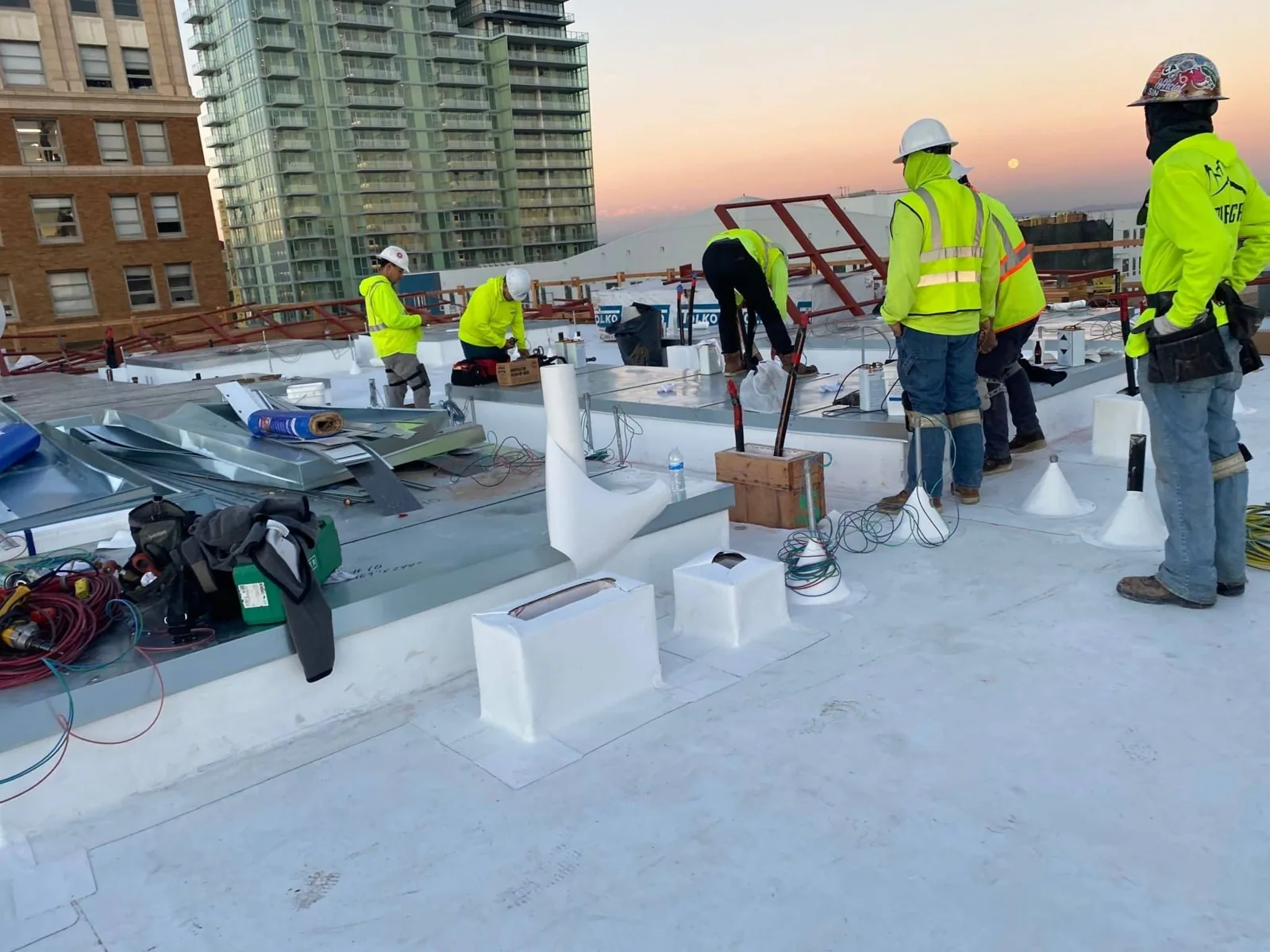
Evaluate Versico commercial roofing in Pueblo, CO with a site-specific review of TPO, EPDM, seams, attachment, access, and system details.
Versico’s membrane choice is only one part of a roof scope. Its commercial product line includes VersiWeld TPO and EPDM systems, with variations that use different reinforcement, attachment, or seam details. We inspect the existing deck, insulation, drainage, edges, and roof penetrations before matching an option to the building. A product designation cannot correct wet substrate or replace a missing drainage path.
Pueblo’s employment base includes manufacturing and rail transportation, and its airport industrial sites sit next to US 50. St. Charles Industrial Park is rail-served along I-25. Those regional facts help frame delivery planning, but every facility has its own operating rules and staging limits. The field walk establishes which conditions affect a Versico proposal.
What should the owner compare in Versico options?
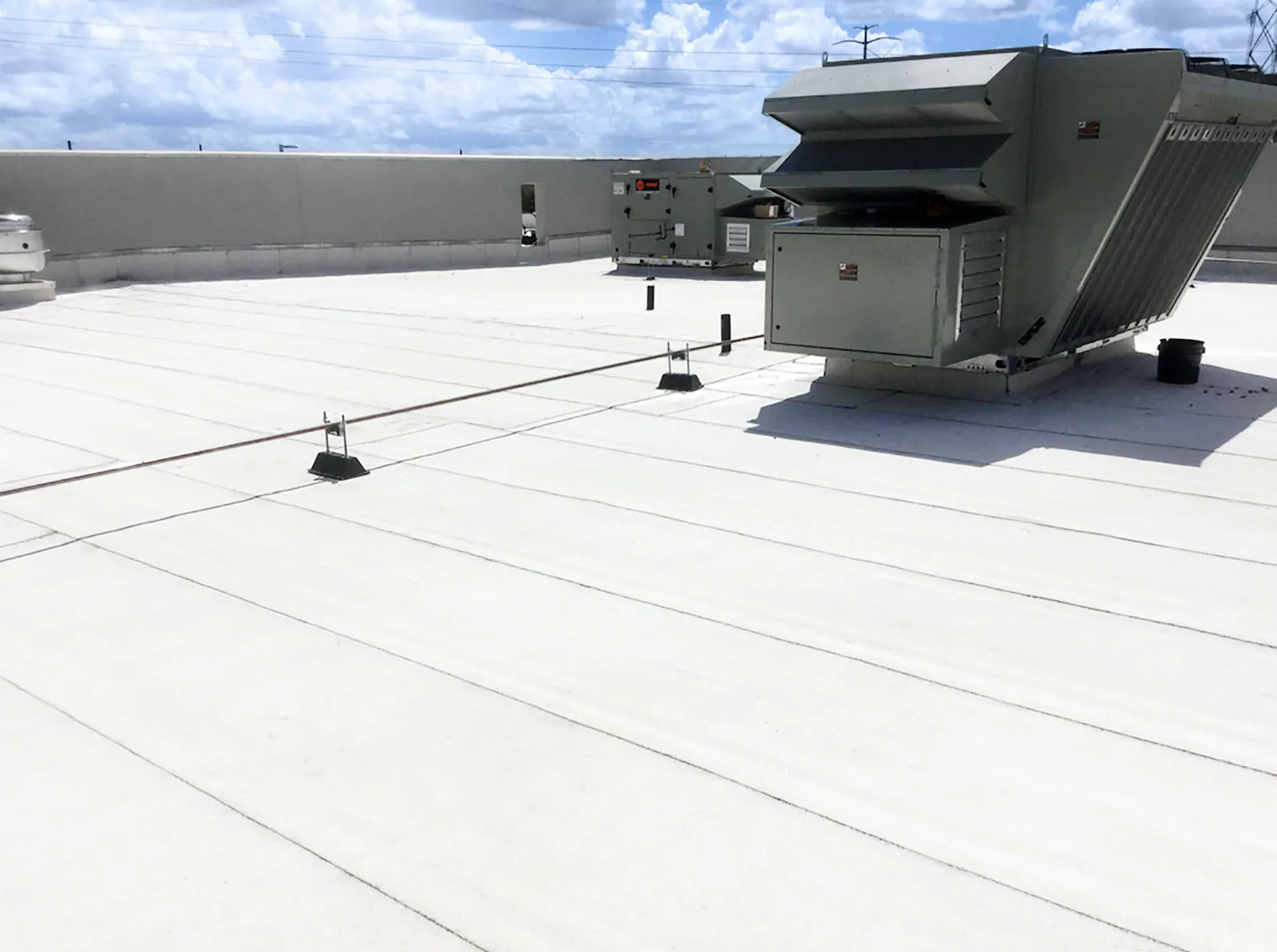
VersiWeld TPO uses heat-welded seams; the manufacturer also describes a reinforced membrane family and a 16-foot sheet option. Wider sheet can affect roll handling and field seam layout, but access, wind, roof geometry, and staging may limit how it is used. The selected membrane, thickness, attachment, insulation, and accessories should be listed from the current specification. A marketing size or feature is not a substitute for a measured roof plan.
Compare the TPO assembly with the building’s existing roof and proposed work. If EPDM is also considered, review the EPDM option for its distinct seam and flashing requirements. Other manufacturer alternatives include Carlisle SynTec membranes and GAF EverGuard TPO; compare like assemblies, attachment, cover board, edges, and warranty documents rather than line-item names alone.
At the first walk, confirm whether the roof can be accessed for full measurements, how existing layers are attached, and whether a recover is under consideration. A test opening can establish the substrate and insulation when records are incomplete. Document the findings and stop before the opening expands beyond the authorized limit. These steps determine whether the system fits the actual roof and give the owner a reliable basis for comparing options.
How should VersiWeld seams be inspected?
Heat-weld quality depends on a clean surface, suitable temperature, equipment setup, operator technique, and a detail that fits the membrane. The field crew checks a test weld according to the system requirements and verifies completed seams, intersections, and terminations. Include corners, T-joints, and patches in the inspection sequence. If the surface is contaminated or damp, preparing it correctly matters more than rushing the next roll into place.
Map the lap, drain, curb, skylight, wall, and perimeter details before estimating repair or replacement. A roof inspection can mark defects by zone. An open lap may need seam repair, while a separated vertical transition calls for flashing work. If water has reached the interior, leak investigation can connect the reported area with observed roof conditions.
Where a sheet crosses equipment, curbs, or pipe penetrations, confirm the detail and sequence before field installation. A custom-shaped flashing piece may simplify work, but the interface still needs correct preparation and attachment. Record the completed detail before it is covered or accessed by another trade. If a scope change is required, show the condition and get direction from the project lead before adding work outside the boundary.
What affects membrane installation around Pueblo?
Pueblo’s July mean high is 93.4°F and its average January low is 15.4°F. The roof surface may vary from the air temperature, so the crew checks actual conditions against the membrane, adhesive, and welding requirements. Plan delivery and installation around the forecast, moisture, and access window. The normal values provide seasonal context; they do not determine when a specific roof is ready.
At St. Charles Industrial Park, rail and I-25 connections serve an industrial area; the airport sites are near US 50. A St. Charles roof project still requires the property lead to confirm access, security, laydown, and deliveries. If material must be lifted above active production or a tenant area, coordinate exclusion zones and interior protection before installation begins.
Divide work so each roof section can be closed before the end of the shift. Confirm who can approve a stop point if an unexpected layer or damaged deck appears. Keep drains clear during tear-off and secure membrane or insulation that has been staged but not installed. The sequence should state what happens if rain or wind interrupts work, including how temporary protection will be checked and who receives the update.
When does a Versico repair become a system project?
An isolated puncture or open seam can be repaired if material around it remains attached and compatible. Repeated leaks, widespread wet insulation, or unstable edges may call for a larger evaluation. We inspect the affected area and surrounding zones, measure confirmed work, and state where hidden conditions remain unknown. The owner receives separate choices for temporary protection, permanent repair, and a full roof project.
A repair scope can address the confirmed defect. For a recover, inspect the existing build-up, drainage, attachment, and substrate before setting the new membrane detail. If removal is needed, replacement planning sets out removal, new insulation, edge work, penetrations, and staging separately. Do not treat broad roof renewal as the automatic next step after a single failed lap.
Warranties are separate documents with their own terms and obligations. The owner should retain the issued coverage and installation records, and confirm status with the issuer. Contractor closeout can show material names, roof zones, photographs, and work limits. That makes clear what was installed without promising an outcome that belongs to the written agreement.
What belongs in the Versico closeout?
Record the roof zones completed, membrane and accessories installed, substrate work, seams and details checked, and any condition that altered the design. Include photos of perimeter, penetrations, drains, and transitions. Identify any area not inspected or not included in the work. If the existing assembly differed from the plan, preserve that discrepancy and the owner’s decision in the project record.
For roof work requiring plan review, confirm which authority handles the parcel and the current project requirements. For a project subject to plan review, confirm parcel jurisdiction and current building, existing-building, and energy-code editions before specifying attachment or insulation. That list does not establish approval of a roof system; the project design and authority review apply to the actual property.
A Pueblo Airport Industrial Park roof walk or a site in another Pueblo district should end with a handoff to the local facilities contact. Set out completed details, remaining work, temporary protection, and access restrictions. The owner can then compare installed conditions with the approved plan and retain the files with maintenance records.
Commercial Roofing Questions
What is VersiWeld TPO?
It is Versico’s TPO membrane family, which uses heat-welded seams. The selected sheet, attachment, and system details should be confirmed against current product documents and the building’s roof conditions.
Does a wider TPO sheet always speed up a project?
Not necessarily. Sheet size can affect the number of field seams, but roof geometry, access, wind, equipment, staging, and welding conditions also shape production. We plan from the measured roof and the manufacturer’s current installation requirements.
Can Versico membranes be used over an old roof?
A recover depends on the existing layers, wet insulation, attachment, drainage, and deck. We inspect the assembly and define any testing needed before deciding whether another system can be installed above it.
How are completed seams documented?
Record the roof zone, seam and detail locations, photographs, and checks performed under the selected installation procedure. Any area not accessed or any condition left outside the work boundary should be labeled for the owner.
Review a Versico system in Pueblo
Provide system specifications, roof plans, prior repairs, facility access rules, and the project schedule. We will inspect the roof, review seam and detail conditions, and map the installation sequence.
Call 555-555-5555 or email [email protected].