
Home / Roof Damage Repair / Commercial Fire Damage Roof Repair
Commercial Fire Damage Roof Repair in Pueblo, CO
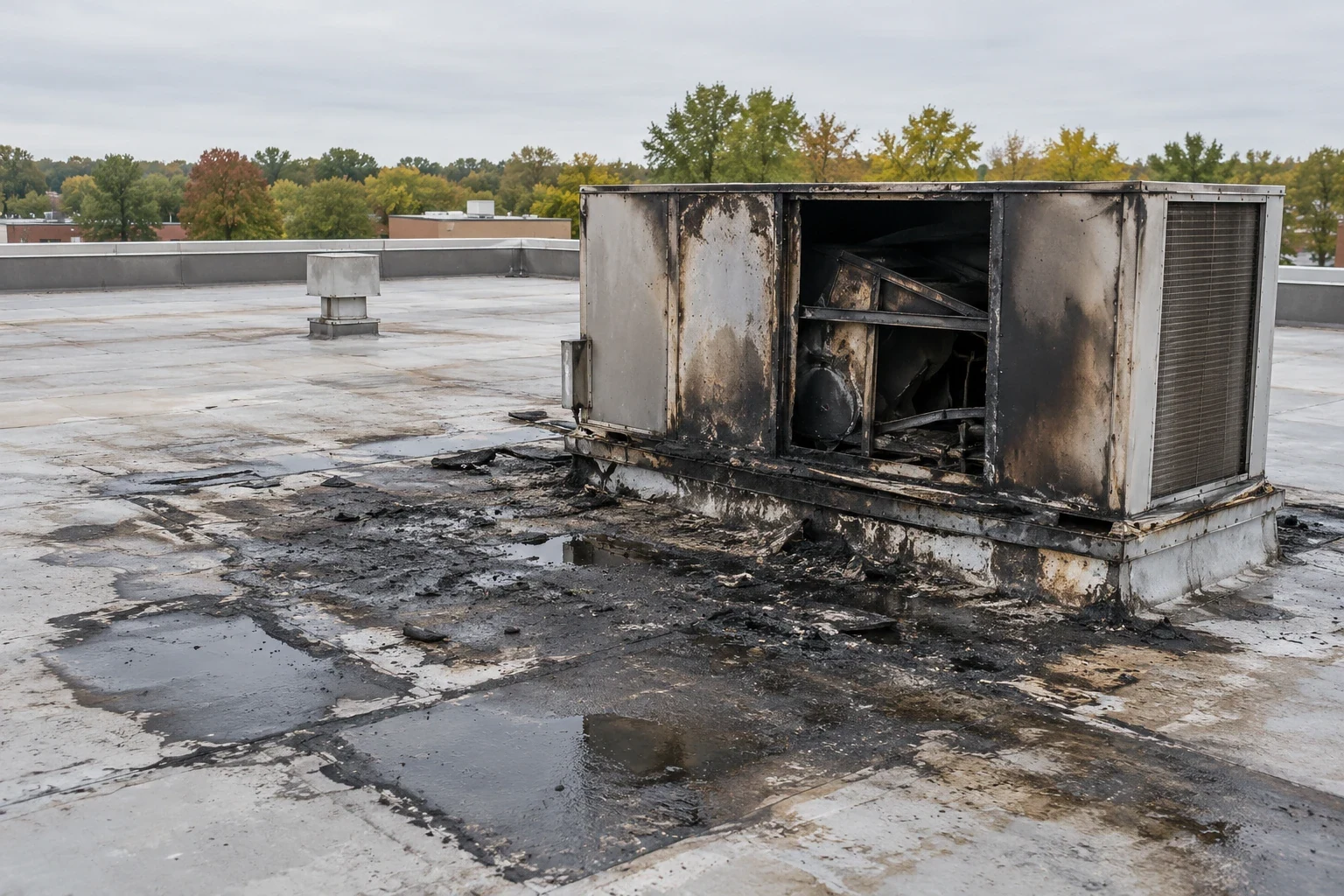
Assess fire and smoke damage on commercial roofs in Pueblo, CO with a safe inspection sequence, temporary weather protection, and a defined repair scope.
After a fire, the roof may be exposed before anyone can determine whether the membrane, insulation, deck, or supporting structure can remain. We coordinate entry with the incident lead, inspect only where access is cleared, and document visible heat, smoke, suppression-water, and impact conditions. The first scope is stabilization: keep weather out, protect the interior, and set a boundary for permanent inspection. A patch is not a substitute for a safe structural review.
Pueblo’s manufacturing, distribution, aerospace, food production, and rail-related operations put different equipment and occupied spaces below commercial roofs. We inspect the affected assembly with the property team after fire officials authorize access, then set the stabilization boundary around the actual condition.
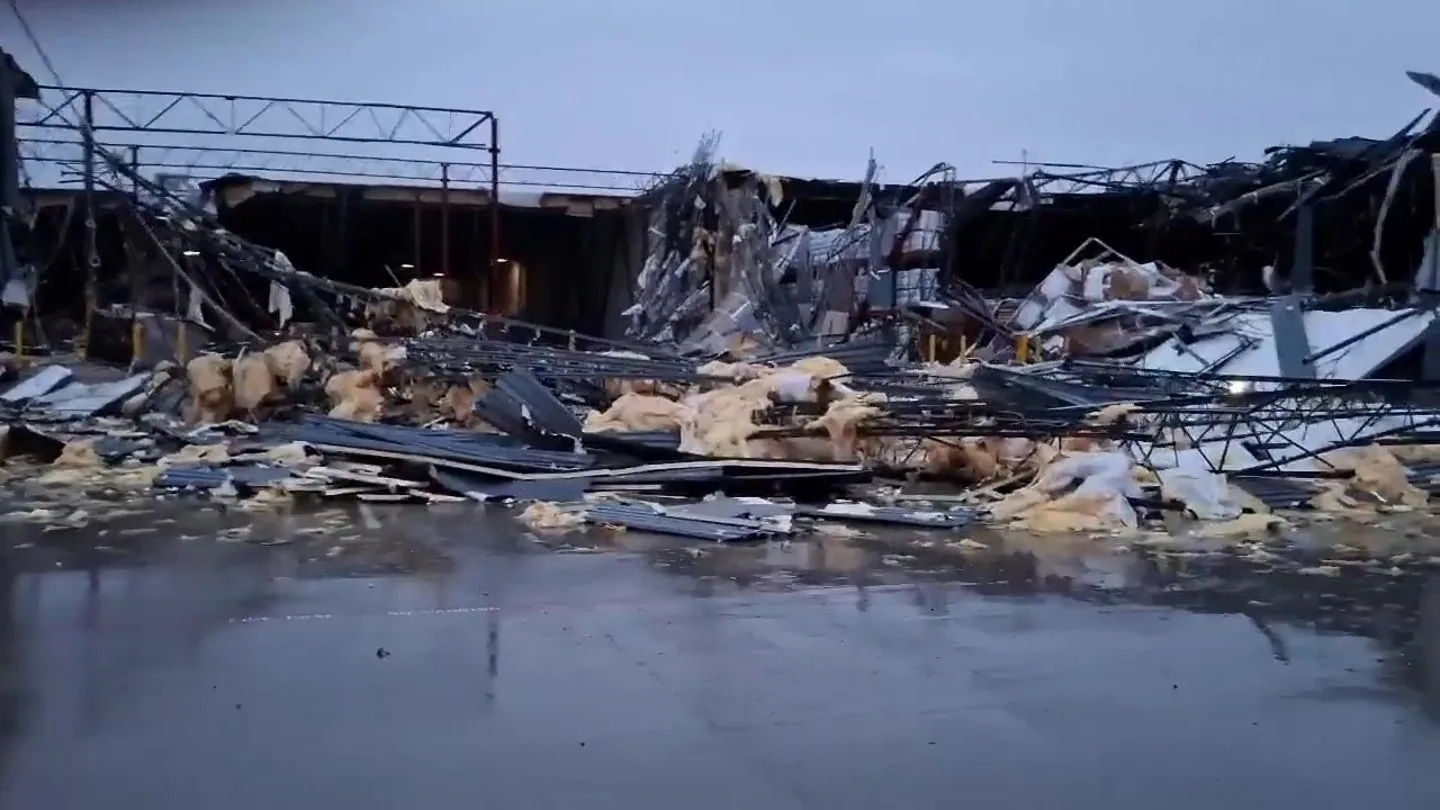
Who clears access before the roof inspection?
Fire officials or the building’s designated safety lead must confirm that the roof can be entered. Check for hot spots, unstable deck, damaged parapets, overhead hazards, and conditions below the area before setting ladders or moving equipment. Smoke residue can make a roof surface slippery, and suppression water can conceal openings. If the roof is not safe to walk, use permitted remote observation and return only after the responsible authority clears a closer inspection.
Once access is allowed, identify the reported fire zone, the direction of travel, roof openings, and any areas affected by suppression water. An inspection record should separate visible damage from uninspected sections. If the event remains active or the building is exposed, emergency stabilization can plan temporary cover and water control within the cleared boundary. Keep that work separate from permanent reconstruction while structural and code decisions remain open.
Coordinate the roof walk with the incident lead and building contact so work does not interfere with investigators or restoration crews. Mark an access route and avoid moving debris that may need to remain undisturbed. If utilities or rooftop units have been shut down, confirm the status before approaching them. The roof scope follows the approved safety sequence, even when weather makes temporary protection urgent.
What roof conditions should be recorded separately?
Heat can soften or deform a membrane, damage insulation, discolor metal, or affect the deck beneath the visible burn. Smoke and soot may deposit beyond the area with direct flame. Suppression water can travel through penetrations and seams, creating a second damage path. We map these observations by roof zone, photograph the material before removal where safe, and distinguish direct heat effects from water exposure and preexisting conditions.
At penetrations and wall transitions, inspect whether flashing has separated or lost shape. A flashing assessment can document those transitions as a distinct repair item. If the membrane has opened at a lap, a seam review can measure the loss of bond beyond the immediate fire area. A moisture survey may help identify areas for further investigation when the surface, roof assembly, and conditions make the method suitable.
Record damaged rooftop equipment, conduit, supports, and penetrations without assuming their repair belongs to the roofing scope. The owner may need mechanical, electrical, structural, and environmental specialists to evaluate different parts of the property. We note where roof work must stop for another trade and protect any opening left at that boundary. Clear handoffs reduce the chance that one repair conceals damage another discipline needs to inspect.
How is the building kept dry before reconstruction?
Temporary protection must match the opening, roof geometry, wind exposure, and duration expected before permanent work. The plan identifies what area is covered, how the cover is secured, how runoff is directed, and who will check it after weather changes. Do not place a loose sheet over an opening and treat the building as protected. The owner should know which rooms or equipment below need interior containment and who receives notice if the cover shifts.
For water still entering, a leak-response scope can trace the path and list interior protection separately. If the damaged zone is small and stable after inspection, localized repair may be evaluated once materials and substrate are confirmed. Extensive heat exposure, structural damage, or wet insulation may call for a broader replacement assessment. These decisions require findings from the actual building and approvals from the project lead.
Temporary work has a defined limit and inspection interval. We document where the cover meets sound roof material, whether the interior remains dry, and which surfaces are not included. If the building remains under restricted access, the restoration team needs a means to report movement or water entry without sending staff onto the roof. The stabilization plan should also include how the temporary materials will be removed when permanent work begins.
How do local work conditions affect the sequence?
Pueblo’s mean July high is 93.4°F, and its average seasonal snowfall is 28.3 inches. Pueblo’s seasonal temperature and snowfall patterns affect fire-damage repair timing; current roof conditions and forecast determine the safe work window. We check current surface temperature, wind, precipitation, and access before installing temporary or permanent materials. If the substrate is wet or the selected product is outside its application limits, the crew adjusts the sequence and leaves the roof protected.
PuebloPlex has existing structures and storage igloos, with planned manufacturing, warehousing, rail-related, research, and technology activity. EVRAZ is another planned employment area; the fire scope depends on the affected structure. A PuebloPlex-area roof walk requires access and staging details from the facility. Before changing an assembly, confirm the parcel’s reviewing authority and current code requirements with the project lead.
On a site with active production or restoration work, identify laydown areas, delivery windows, and equipment shutdowns with the project contact. Keep the roof route clear for emergency responders and other trades. If temporary roof protection must be replenished, set responsibility and timing in the work order. The facility contact identifies the active operation, delivery window, and usable staging area before temporary protection is set.
What belongs in the fire-damage roofing closeout?
Provide dated photographs, a zone map, inspection limits, temporary work performed, and permanent repairs completed. Note areas not entered, material that remains covered, and conditions that require structural or environmental review. Keep the initial condition and later reconstruction records together so the owner can follow the sequence. If concealed damage expanded the work after opening, show the original limit and the approved change separately.
After reconstruction, document the roof assembly installed, transitions tied in, penetrations restored, and any testing performed. A roof condition report can preserve outstanding concerns and identify the next inspection point. If damage was confined to a local area, retain that distinction rather than describe the entire roof as replaced. The project lead can then reconcile roofing work with interior restoration and mechanical repairs.
For a roof walk, provide the cleared access window, incident map, available roof plans, and restoration contact. We will identify what can be inspected, where temporary weather protection is needed, and which findings require approval before removal. That gives the owner and project team a sequence they can coordinate with the remaining building work.
Commercial Roofing Questions
Can roofers inspect the roof while the fire investigation is active?
Only when the responsible officials and building safety lead permit access. We coordinate the roof walk around investigation limits and do not disturb a restricted area. If access is not cleared, remote observations and temporary measures must stay within the authorized boundary.
Does smoke damage require replacing the whole roof?
Not automatically. We map heat, residue, water exposure, and material condition by zone. The affected assembly, substrate findings, and structural review determine whether localized repair or broader replacement should be evaluated.
How quickly can temporary protection be installed?
The timing depends on safe access, weather, the size of the opening, and how protection can be secured to sound material. We first confirm the work boundary and coordinate the site contact, then state what the temporary measure protects and what remains exposed.
Will suppression water be included in the roof assessment?
Yes. We document visible water paths and inspect seams, drains, penetrations, and interior reports where access is allowed. Suppression water can affect areas beyond the burn, so we record it separately from direct heat damage.

Coordinate a fire-damage roof assessment
Share the access clearance, incident map, restoration lead, roof plans, and active water concerns. We will define a safe inspection area, temporary protection plan, and measured roofing scope.
Call 555-555-5555 or email [email protected].